 Business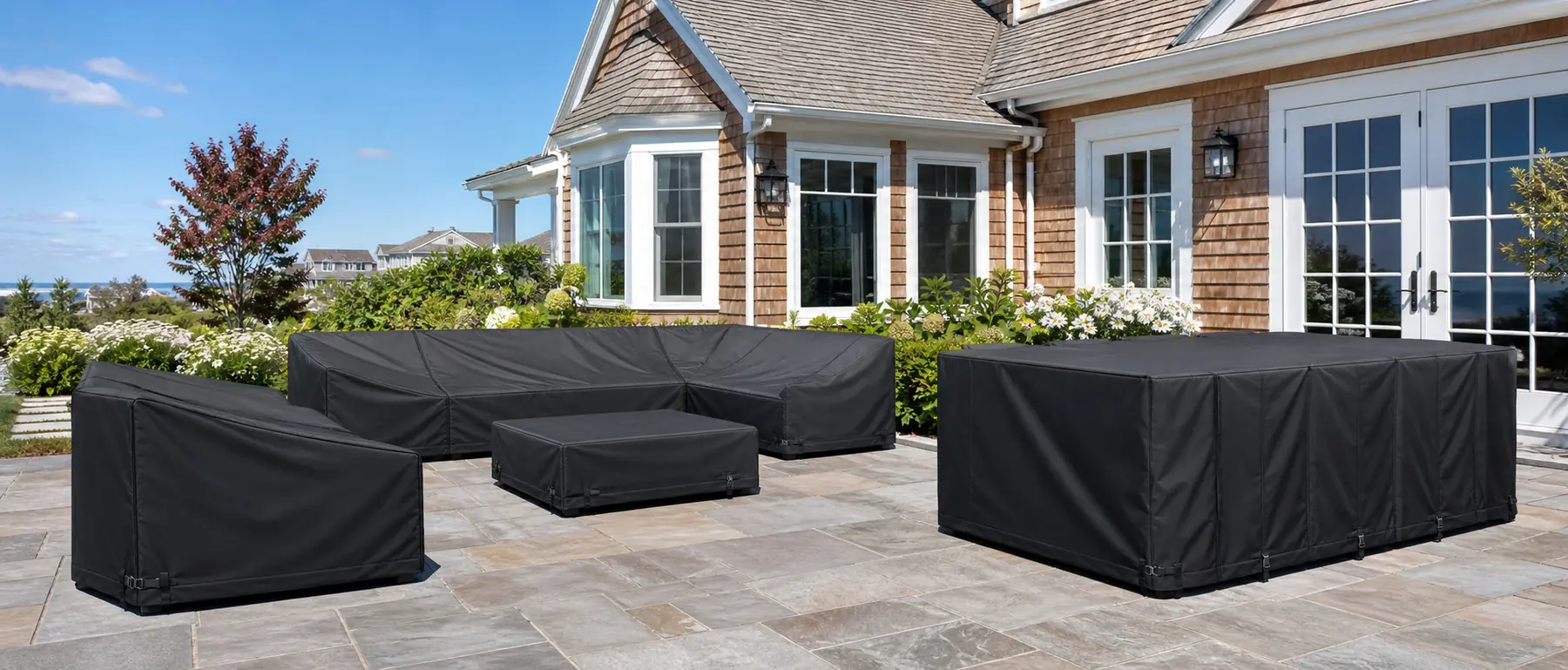




How to Clean Outdoor Covers Without Damaging Waterproof Coatings

Learning how to clean outdoor covers is less about using [...]
Learning how to clean outdoor covers is less about using strong chemicals and more about protecting the material that keeps weather out. Harsh bleach, concentrated detergent, stiff brushes, high-pressure spray, and machine heat can damage coatings, seam tape, printed care labels, or water-repellent surface treatments.
The safest method begins with the manufacturer’s care instructions. When those instructions allow routine hand cleaning, use mild soap, cool or lukewarm water, a soft brush or cloth, thorough rinsing, and complete air drying before the cover returns to furniture or storage.
Read the care label before choosing a cleaner
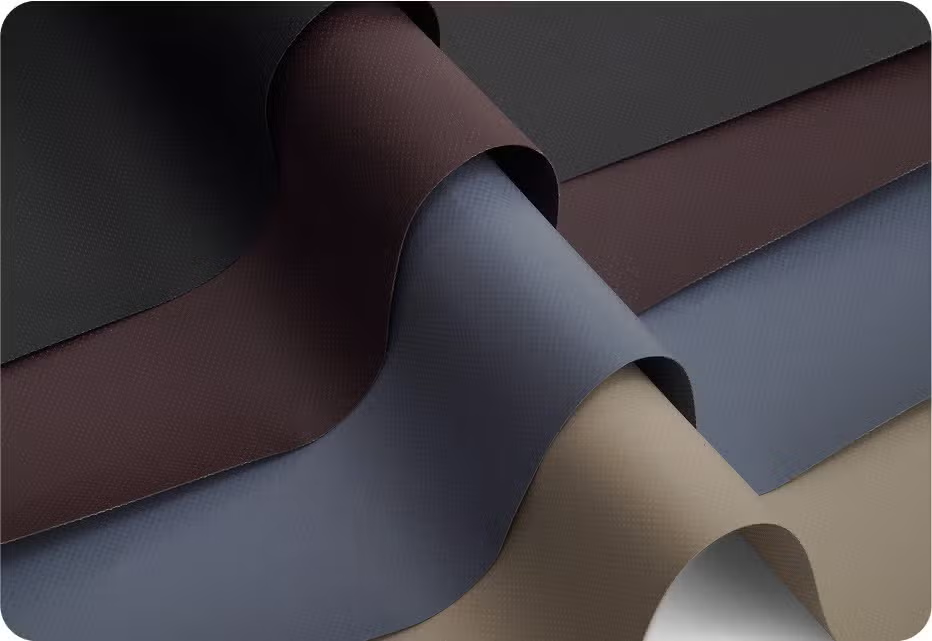
Outdoor cover fabrics are not interchangeable. Coated polyester, solution-dyed materials, vinyl, clear panels, and breathable constructions can react differently to the same product. Check the sewn-in label, order documentation, or supplier guidance for approved cleaning agents, water temperature, and drying method.
If guidance is unavailable, test any mild cleaning solution on a small hidden area first. Stop if the color transfers, the surface becomes tacky, the coating lightens, or the fabric texture changes.
Remove dry debris before adding water
Leaves, dust, grit, pollen, and bird debris become harder to control once soaked. Place the cover on a clean surface and shake off loose material outdoors. Use a soft brush or vacuum with a gentle upholstery attachment if the care instructions permit it.
Pay attention to seams, hems, straps, buckles, vents, and folds. Grit trapped in these areas can abrade the fabric during washing or when the cover moves in wind.
Prepare a gentle hand-wash setup
Choose a shaded area with clean drainage. Direct hot sun can dry soap onto the surface before it is rinsed. Lay the cover flat on a clean table, smooth patio surface, or large tarp; avoid rough concrete that may scrape the coating.
Mix a small amount of mild soap with cool or lukewarm water according to the product instructions. Do not combine cleaners. Avoid chlorine bleach, solvents, abrasive powders, degreasers, fabric softener, and concentrated household chemicals unless the cover manufacturer explicitly approves them.
Clean in small sections
Wet one manageable area with a low-pressure hose or sponge. Apply the mild solution and work it with a soft-bristle brush or cloth using light, overlapping strokes. Let the soap loosen dirt without allowing it to dry.
- Support seams instead of pulling them across the work surface.
- Clean around buckles and straps by hand; do not strike them with a pressure jet.
- Use extra care on clear windows, printed graphics, and coated inner surfaces.
- Lift sticky debris gently instead of scraping with metal or hard plastic tools.
- Repeat a mild pass before increasing chemical strength.
Why a pressure washer is usually the wrong tool
A pressure washer can force water through seams, lift coatings, roughen fibers, and drive grit across the cover. Damage may not be obvious until the next storm. A standard garden hose at low pressure is easier to control and is normally sufficient when the surface has been pre-brushed.
The same caution applies to automatic car washes and strong spray nozzles. Faster is not better if the cleaning method shortens the cover’s useful life.
Rinse until no soap remains
Soap residue can attract dirt, leave streaks, and affect water behavior. Rinse from the highest point toward the hem so contaminated water does not repeatedly cross cleaned sections. Turn the cover only when you can do so without dragging it over dirt.
Inspect folds, seam allowances, handles, and fastener pockets for trapped foam. Continue rinsing until the runoff is clear and the surface no longer feels slippery.
Air-dry completely on both sides
Hang or support the cover so air reaches both the outside and lining. Use broad, smooth supports rather than sharp hooks that concentrate weight. Do not place a wet cover back on furniture, roll it into a storage bag, or leave it folded on the ground.
Drying time varies with fabric weight, humidity, temperature, and seam construction. A surface that feels dry may still hold moisture in hems and reinforced areas. Check those zones before storage. Avoid clothes dryers and direct high heat unless the care label explicitly permits them.
Treat mildew as a moisture warning
Visible mildew often means the cover or furniture was stored damp, organic debris remained on the surface, or airflow was limited. Do not reach for bleach automatically. Follow the material-specific instructions for mildew treatment and test the approved solution in a hidden area.
After cleaning, correct the cause: dry the furniture before covering, clear leaves, improve runoff, inspect vents, and keep the hem out of standing water. The CoversForge article on protecting without trapping heat explains why moisture management matters even with waterproof fabric.
Inspect the cover while it is clean
Cleaning provides a clear view of wear. Look for thinning at corners, loose stitching, cracked coatings, stretched straps, damaged buckles, blocked vents, and seam separation. Small changes in fit or placement may stop a contact point from becoming a hole.
Do not apply an aftermarket waterproofing treatment unless it is compatible with the exact fabric and recommended by the manufacturer. Some products can change appearance, breathability, flexibility, or seam performance. Compare construction and care requirements in Our Fabrics.
Make routine cleaning easier with a better fit
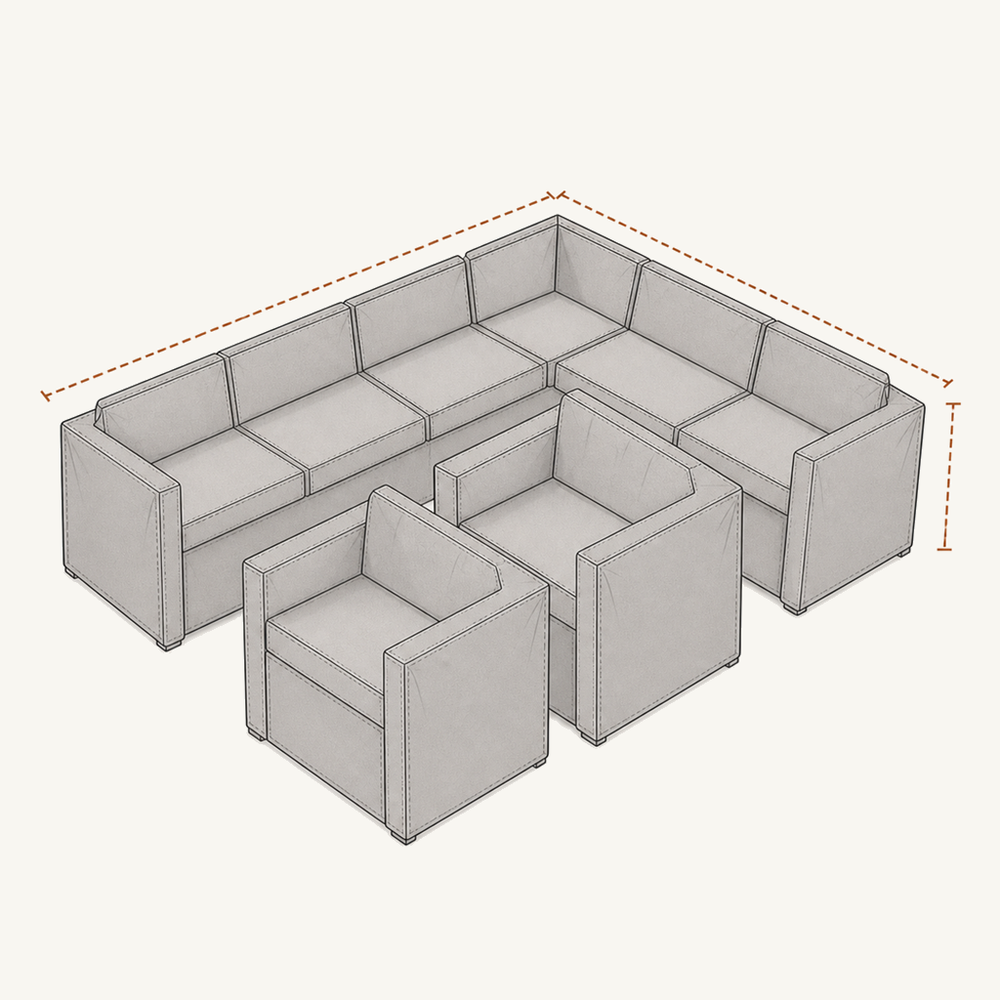
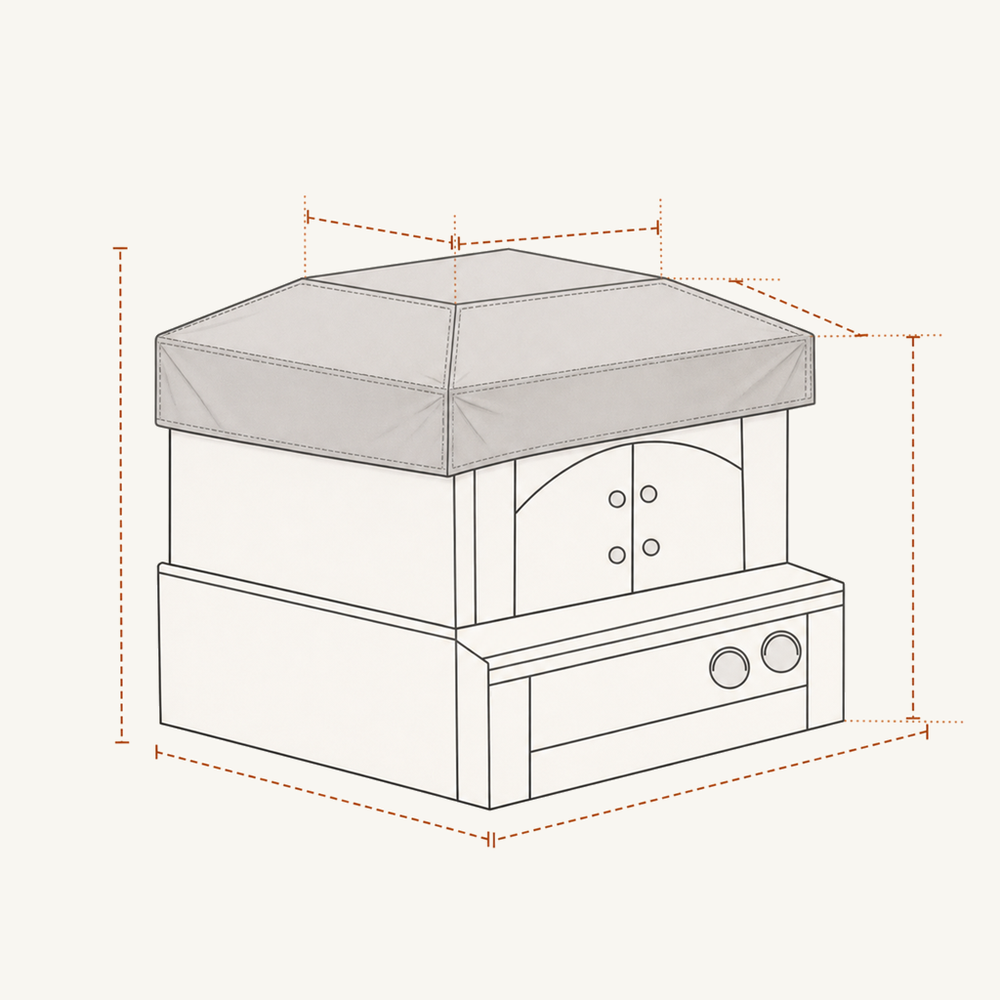
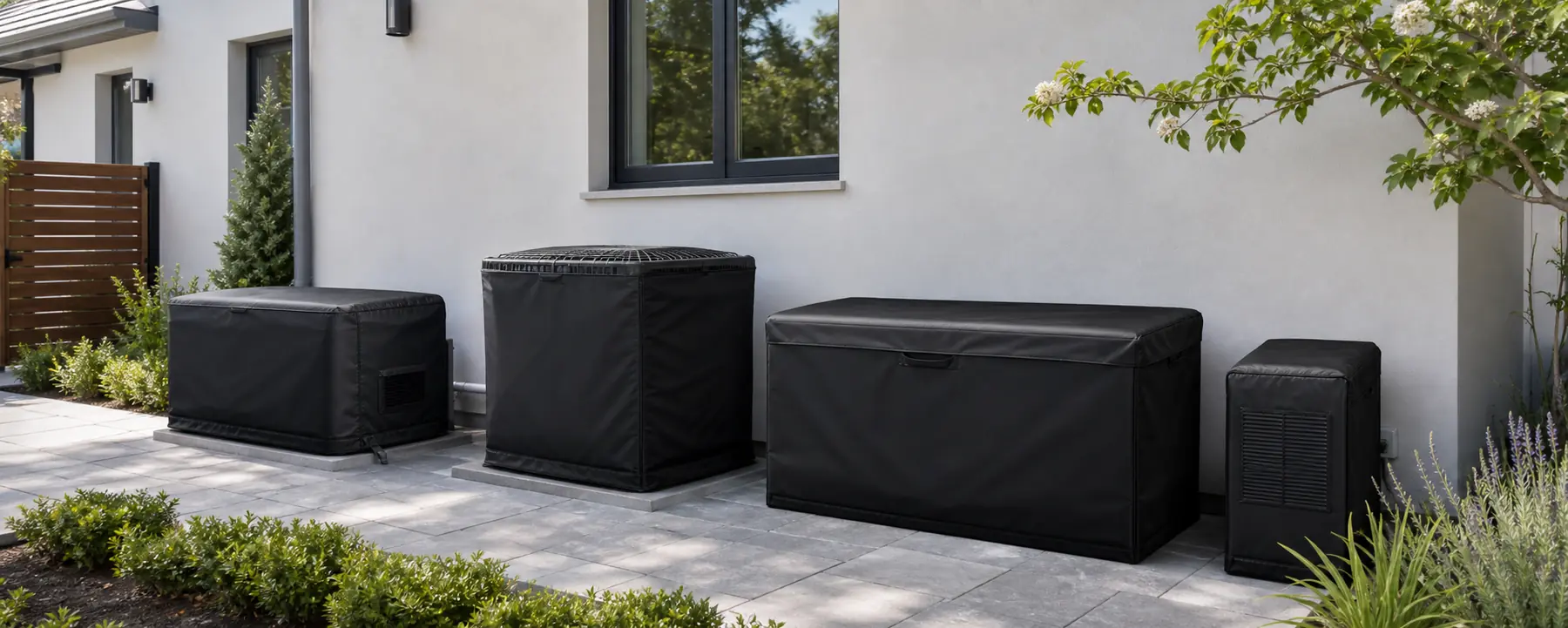
A fitted cover collects fewer large folds of wet debris and is less likely to drag on soil or paving. Secure straps reduce abrasive movement, while a planned runoff slope limits long-lived dirty puddles. Browse custom outdoor covers or use Request a Quote to discuss shape, exposure, and day-to-day handling with CoversForge.
Share This Article


