 Business





Custom Outdoor Furniture Covers for Wood, Metal, and Wicker Sets

Custom outdoor furniture covers should be designed around more than [...]
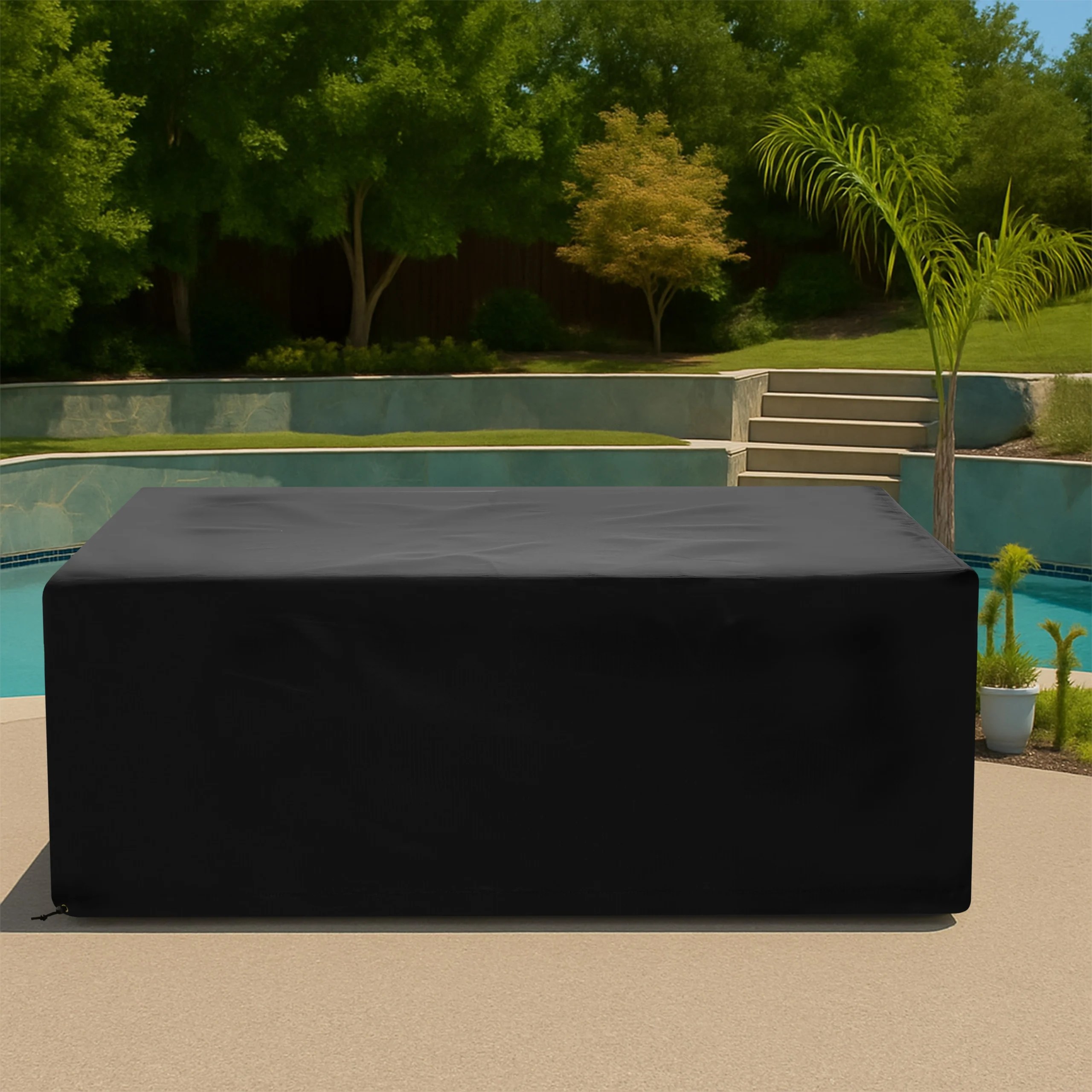
Custom outdoor furniture covers should be designed around more than a table or sofa’s dimensions. Wood, powder-coated metal, wicker, and mixed-material furniture respond differently to trapped moisture, abrasion, heat, and prolonged contact with wet fabric. A cover that protects one material well can create avoidable problems for another if the fit and storage routine are not adjusted.
The goal is not to seal furniture into an airtight package. It is to block direct weather, move rain away, control wind, and let the furniture dry between changing outdoor conditions.
Start with the most vulnerable material in the set
Many patio sets combine a wood tabletop, metal frame, wicker seating, glass panels, and fabric cushions. List every exposed material, then identify the part most sensitive to long periods of dampness or rubbing. That component should influence vent placement, contact points, and the decision to use one large cover or several fitted pieces.
For example, a broad cover over a dining table and six chairs may be convenient, but chair backs can create high rubbing points while the space between them becomes a water pocket. Separate chair and table covers may provide better drainage for an open arrangement.
Protect wood without trapping a damp surface
Outdoor wood expands and contracts as moisture levels change. Finish condition, end grain, joints, and horizontal surfaces deserve attention. Clean and fully dry the furniture before covering; installing a waterproof cover over damp wood can slow evaporation and keep joints wet longer.
- Create a gentle runoff slope over broad tabletops.
- Keep wet hems away from deck puddles and soil.
- Avoid hard seam lines sitting directly on delicate finished edges.
- Use the furniture maker’s recommended oil or finish schedule.
- Inspect beneath the cover after extended humid or rainy periods.
A cover supports a wood-care program; it does not replace cleaning, refinishing, or joint inspection.
Keep metal dry while preventing abrasion
Powder-coated aluminum and steel furniture can develop corrosion where coatings are chipped or hardware remains damp. Before covering, check welds, bolts, feet, and moving joints. Touch-up procedures should follow the furniture manufacturer’s guidance.
Custom fit matters around sharp corners and decorative metalwork. Loose fabric can saw back and forth in wind, wearing both the cover and the finish. Reinforced contact zones and stable lower straps help reduce movement without pulling the cover tight across every edge.
Let woven wicker release humidity
Natural and synthetic wicker have different care requirements, but both contain many small spaces that can hold dust and moisture. A deep wicker sofa may appear dry on top while lower woven areas remain damp. Give cleaned furniture enough time to dry completely before installation.
Protected vents can help manage humid air, especially on deep seating. The cover should follow the overall shape without being pressed deeply into every weave. If cushions remain on the furniture, include their full installed height in the measurements and make sure the top profile still drains.
Treat glass, stone, and composite tops as distinct surfaces
Glass and stone tabletops need a cover profile that avoids standing water and hard point loads. Never use a sharp improvised object to tent the center. If a support is needed, use a broad, rounded support designed for the purpose and confirm that it will not scratch or stress the surface.
Composite materials can become hot in direct sun, and some finishes may react to prolonged contact with certain liners or debris. Keep the contact surface clean and follow the furniture manufacturer’s storage instructions. For every material, clean fabric touching clean furniture is safer than a dusty lining grinding across the finish.
Decide whether cushions stay or go
Cushions change the height, drainage, and humidity inside custom outdoor furniture covers. If they stay in place, they must be fully dry and arranged in the exact measured configuration. Deep seat valleys may need a support strategy so rain does not press the cover into the cushion surface.
In very wet climates or long off-seasons, storing cushions in a dry, ventilated location may be the better choice. Measure the furniture without cushions if that is the normal storage routine. Switching between both arrangements can leave a cover either too tight or too loose.
Match fastening to the furniture frame
Secure straps around strong frame members or legs, not wicker strands, decorative trim, adjustable feet, or glass supports. Drawcords and elastic hems can control the perimeter, while buckled straps can resist lift in exposed locations. Tighten evenly so one side does not pull the cover into a new low pocket.
For mixed sets, label separate covers or use a consistent storage order. Ease of installation matters: a perfect cover that takes too long to sort out is less likely to be used before a sudden storm.
Measure material transitions and contact points
Record maximum width, depth, and height, then photograph arms, backs, table edges, stacked chairs, and projections. Note where wood meets metal, where wicker stands proud of the frame, and where handles or hardware may rub. The CoversForge How to Measure guide provides the basic dimension framework.
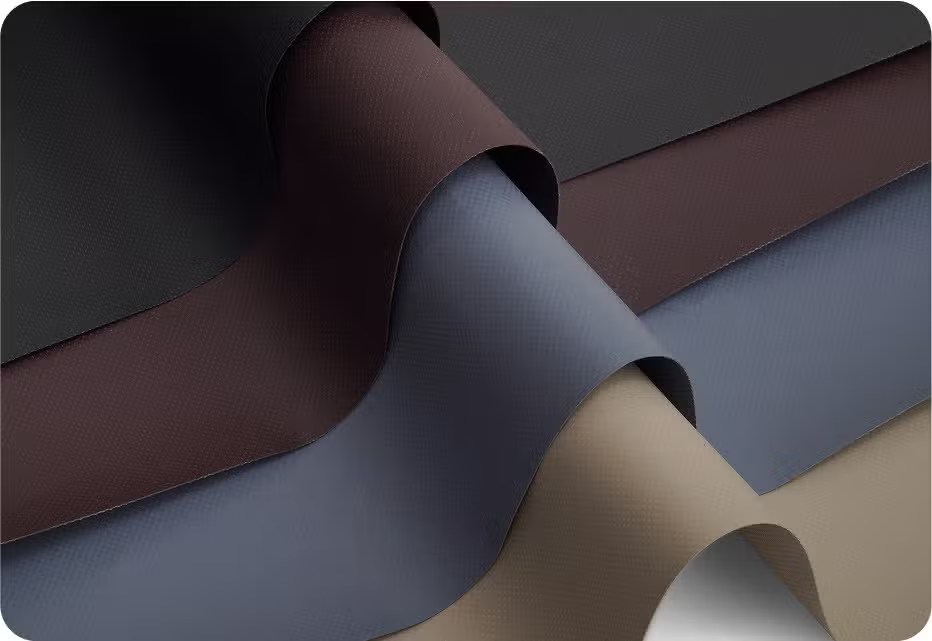
Browse patio furniture covers for common furniture shapes and compare outdoor materials in Our Fabrics. For mixed-material or unusual sets, send dimensions and clear photos through Request a Quote so CoversForge can review drainage, contact, and fastening needs together.
Share This Article


