 Business


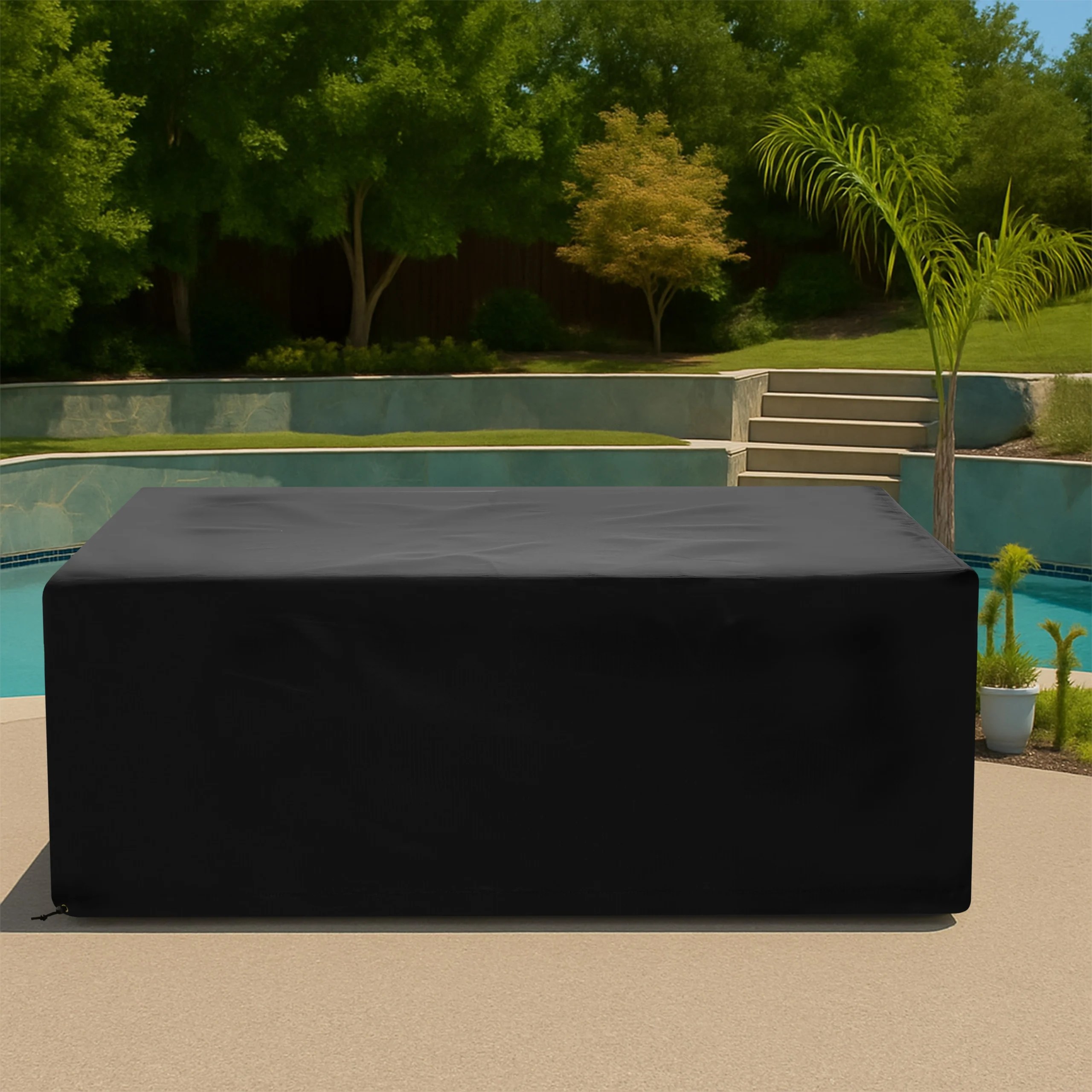



Waterproof Outdoor Appliance Covers: Protect Without Trapping Heat

Buyers searching for outdoor appliance covers waterproof options usually want [...]

Buyers searching for outdoor appliance covers waterproof options usually want one clear result: keep rain away from valuable equipment. That goal matters, but an appliance cover also has to account for cooling time, ventilation, controls, power connections, and condensation. Sealing a warm or damp appliance too quickly can create a different set of problems beneath the cover.
This guide explains how to protect outdoor beverage refrigerators, ice makers, compact cooking appliances, pressure washers, and similar equipment without treating every machine like ordinary patio furniture.
Check the appliance manual before covering
The manufacturer’s instructions take priority. Some appliances are designed for permanent outdoor installation; others are only weather-resistant under a roof. Certain vents must remain unobstructed, and some equipment should be disconnected or winterized before long storage.
Confirm whether the appliance can be covered while plugged in, how much cooling time it needs, and whether the front, rear, or sides contain airflow openings. Do not place fabric over an operating heat-producing appliance.
Wait until the appliance is cool and dry
Griddles, pizza ovens, smokers, motors, compressors, and pressure washers can retain heat after use. A cover should go on only after the surface and internal components reach a safe temperature. Wipe away standing water and allow cleaning moisture to evaporate, especially around seams, lids, control panels, and door gaskets.
For refrigeration equipment, the correct storage procedure may differ depending on whether it remains powered. If it is switched off for a long period, the manual may recommend cleaning, drying, and leaving the door partly open to prevent odors. A fitted exterior cover should never override those requirements.
Map every ventilation zone
Identify louvers, compressor openings, exhaust paths, and cooling-air intakes. Photograph them and note their distance from each edge. A custom cover can incorporate protected venting or a design that is removed before operation, but the cover itself should not encourage someone to run the appliance while blocked.
Outdoor humidity can also condense beneath waterproof material. Good fit, dry installation, and appropriate air movement help reduce trapped moisture. The goal is weather protection with a deliberate ventilation plan—not an airtight plastic seal.
Measure around doors, handles, and connections
Record overall width, depth, and height, then document handles, knobs, hinges, wheels, shelves, hoses, cords, and fixed pipes. Decide whether removable accessories will stay attached during storage. A cover that must stretch over a protruding handle can wear quickly even when the main dimensions are correct.
Use the How to Measure guide to organize the main dimensions. Add close-up photos for every feature that changes the outline or needs access.
Keep electrical details protected but accessible
Do not trap plugs or connectors in standing water. Follow the appliance maker’s instructions for disconnecting power and protecting approved outdoor connections. If a cord exits beneath the cover, its route should not pull the hem upward or create a channel that directs rain inside.
Control panels may benefit from a shaped cover that reduces direct exposure without rubbing repeatedly across buttons or displays. Reinforcement can be considered near projecting hardware.
Choose runoff over a perfectly flat top
Many outdoor appliances have flat upper surfaces. A loose cover can sag and hold a puddle. A closer fit, a naturally sloped lid, or a suitable rounded support can help water move away. Never use a sharp object as a support; concentrated pressure can damage both cover and appliance finish.
Place the lower edge above routine ground runoff where appropriate. Fabric sitting in a puddle can wick dirt and remain wet long after the rain ends.
Select fabric for rain, sun, and handling
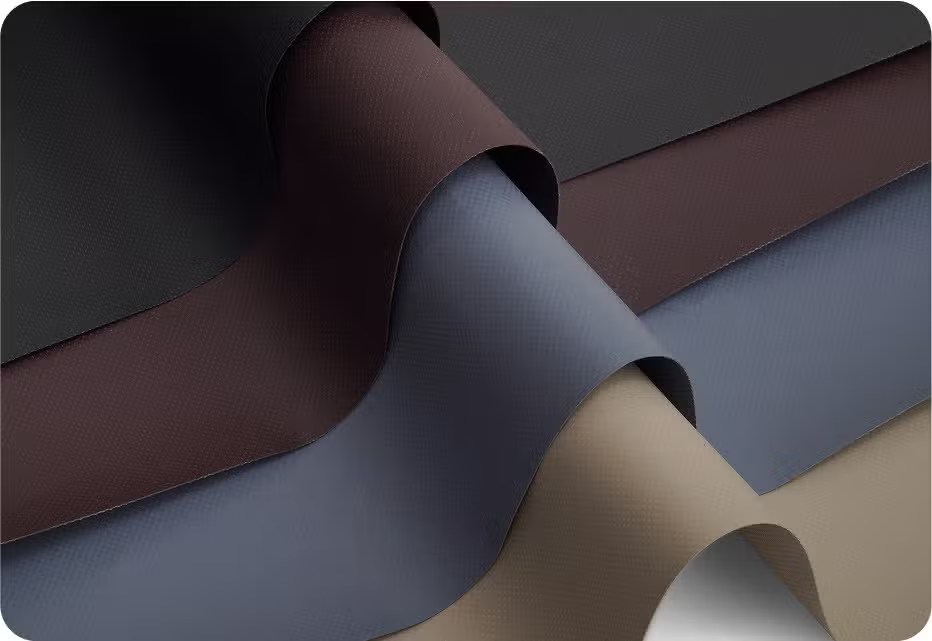
Water protection is only one factor. An exposed appliance may also need UV resistance and abrasion performance, while a frequently used appliance needs a cover that is manageable every day. Review the CoversForge fabric options and consider how often the cover will be removed.
A heavy cover that is awkward to handle may be left off. A lighter cover without enough protection may not suit an exposed site. Fit and routine are part of material selection.
Use a simple safe-cover checklist
- The appliance is switched off when required and fully cool.
- All surfaces and internal storage areas are dry.
- Manufacturer-required vents and clearances are respected.
- Doors, handles, cords, and controls are not under damaging tension.
- The top directs water away instead of collecting it.
- Straps are secure but do not cross fragile components.
Inspect after storms and before operation
After severe weather, check that the cover has not shifted and that water is not pooling. Before using the appliance, remove the cover completely and confirm that no straps, fabric, or accessories remain near moving or hot parts. Let any condensation dry.
Explore custom equipment covers for outdoor appliances and machinery. For unusual vents, connected hoses, or multi-level shapes, use Request a Quote to submit dimensions and photos for a made-to-fit design.
Share This Article

Written by : CoversForge
Follow Us
Latest Articles
September 10, 2026
September 10, 2026
September 10, 2026