 Business


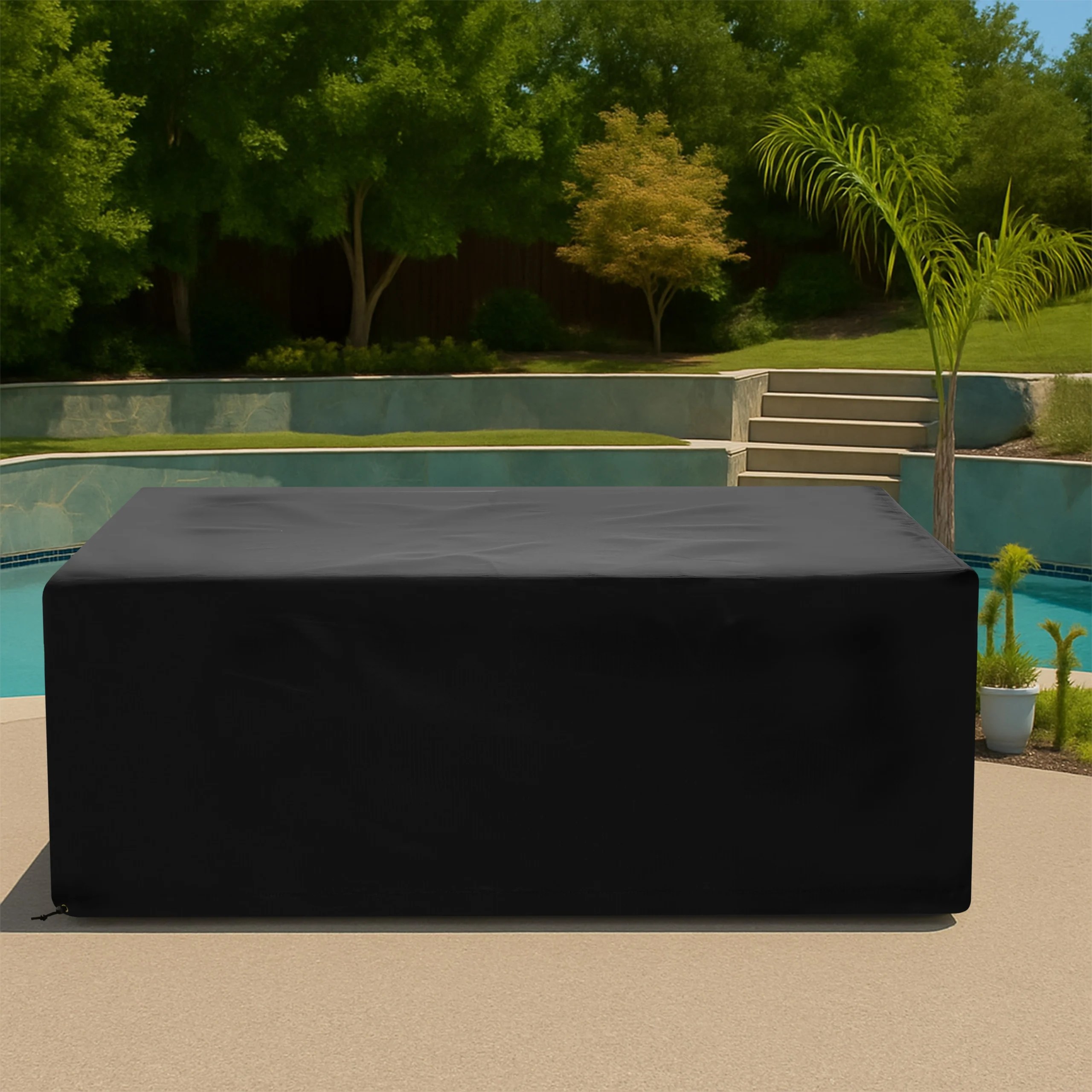



Wide-Arm Patio Chair Covers: Measure Arm Platforms, Seat Recess, Back, and Base

Wide-arm lounge chairs look simple from the front, but the [...]
Wide-arm lounge chairs look simple from the front, but the arm platforms can be nearly as important as the seat. Their outer edges, inner returns, front caps, and transitions into the back create several distinct widths and heights. A custom wide-arm patio chair cover needs more than the maximum outside width if the goal is a cleaner fit that still lifts over the arms without snagging.
Set the chair on level ground in its normal storage position. Dry the frame and cushions, remove loose pillows when practical, and photograph the chair from above, front, rear, and both sides. If the arms contain cup holders, trays, storage lids, or decorative caps, show whether those parts remain closed and fixed whenever the cover is installed.

Separate Outside Width From Seat Opening
Measure the full outside width across the broadest arm points, then the clear seat width between the inner arm faces. Record each arm platform width independently because replacement cushions or handmade frames can create asymmetry. Add the front and rear arm widths if the platforms taper.
Map the Arm Platforms From Above
Follow How to Measure and draw each arm as a plan shape. Record length, outside curve, inner return, front cap radius, and the point where it joins the back. Note cup holders, inset trays, raised trim, and hinges. Close movable features before measuring and never assume the two sides mirror.
Measure the Seat Recess and Cushion Crown
Record seat depth along the centerline and near both arms. Measure the settled cushion thickness and top crown without compressing the foam. If cushions remain outdoors, define their order and position. A deep recess may need a smooth support so the cover sheds water instead of forming a basin between the arms.
Capture the Back Profile
Measure back height at the center and both outer corners, plus thickness at the top and arm junctions. Record rake from the seat to the top rather than treating a sloped back as vertical. Include piping, head cushions, and frame caps that create the actual highest or deepest points.
Trace the Lower Base and Feet
Measure width and depth at floor level and beneath the seat. Wide arms often overhang a narrower base, while splayed feet may extend outside it. Include glides and levelers, then choose a hem height that clears wet paving. The lower pattern should not be copied from the maximum arm width.
Create a Drainage-Friendly Top
Identify the highest stable point across the back or cushion crown and the open direction for runoff. Avoid a flat fabric shelf between broad arms. Any support should be broad, smooth, and stable and must not mark cushions. Dry indoor cushion storage remains preferable during long wet periods.
Choose Fabric and Balanced Restraints
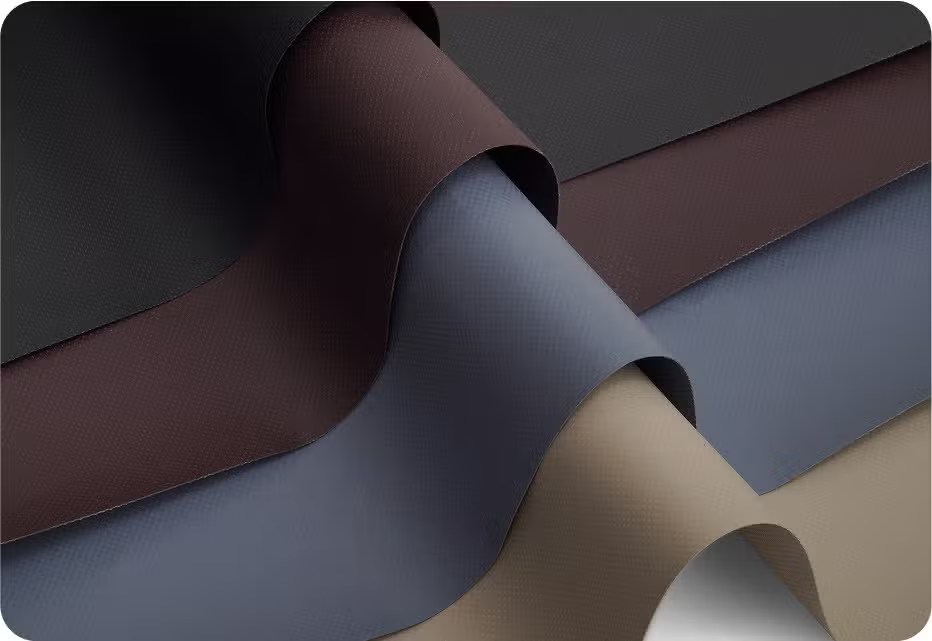
Compare drape, durability, weight, and cleaning through Our Fabrics. Reinforce arm corners and confirmed contact points while keeping the cover flexible enough to pass over the full width. Anchor opposing lower frame members; do not tighten around decorative feet, storage lids, or moving recliner parts.
Prepare an Arm-Specific Drawing
Send outside width, seat opening, both arm plans, front and rear arm widths, seat and cushion profile, back rake and heights, lower base, foot positions, hem clearance, runoff plan, and anchor points. Visit the Wide-Arm Patio Chair Cover, browse Patio Furniture Covers, or request a quote for asymmetric arms.
Frequently Asked Questions
Is the maximum chair width enough?
No. Add the seat opening, each arm platform, back transitions, and lower footprint so the cover is not simply a loose box.
Should cushions stay on the chair?
Dry indoor storage is best for long wet periods. If they remain, measure them fully dry in one repeatable position.
Can one arm be copied to the other?
Only after checking. Measure both sides when trays, cup holders, repairs, or handmade construction may create differences.
Turn the Measurements Into a Production-Ready Cover
A wide-arm chair is a layered plan of outside width, inner seat opening, raised platforms, sloped back, and narrower base. Documenting those layers gives CoversForge enough information to shape the cover around the furniture instead of hiding every feature inside one oversized rectangle.
Share This Article


