 Business





Single-Seater Sofa Slipcovers: Measure Arms, Seat Deck, Back, Cushion, and Skirt

A single-seater sofa is wider and softer than a dining [...]
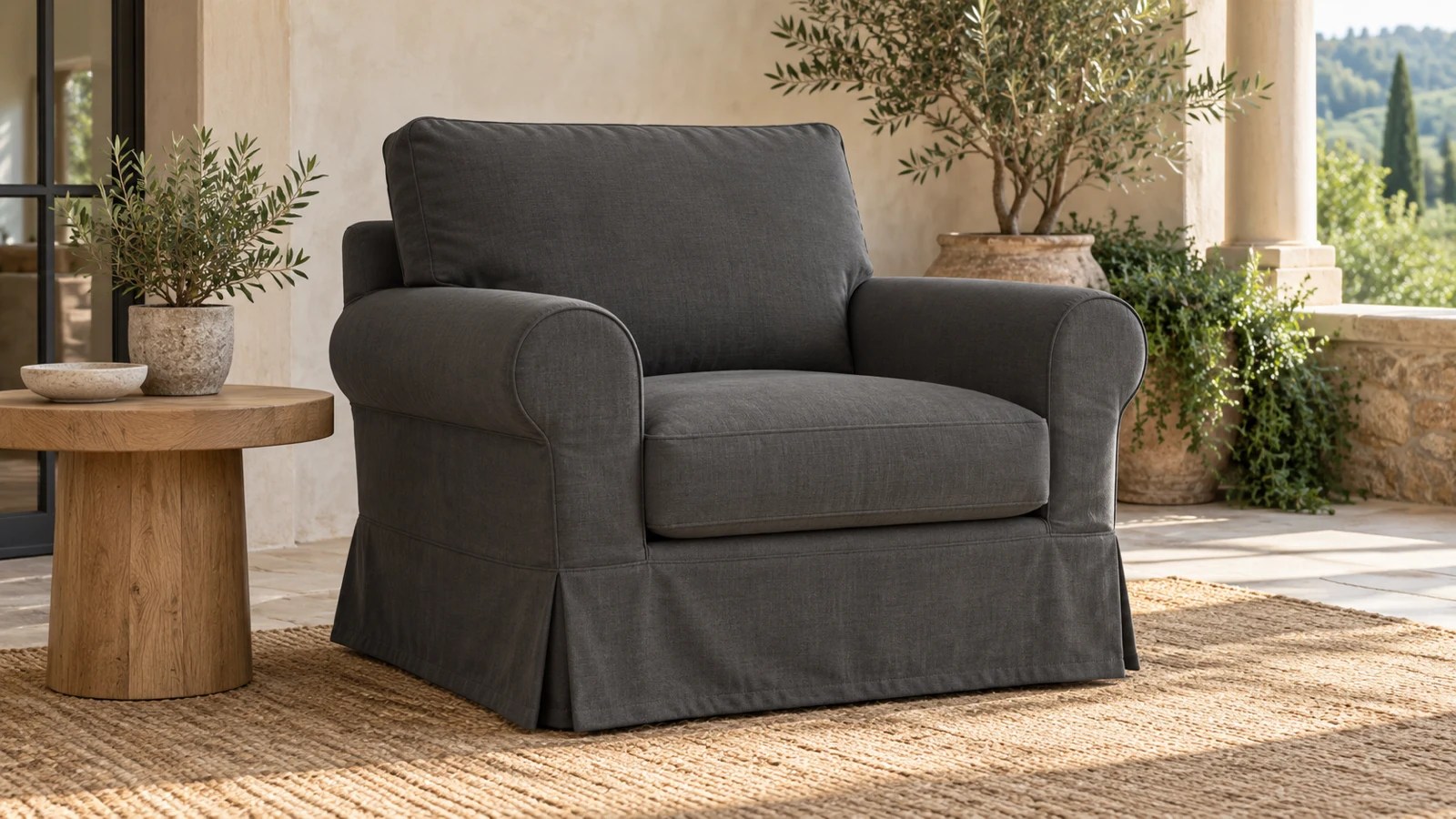
A single-seater sofa is wider and softer than a dining chair but more compact than a loveseat. Its outside arms, inner seat, deck, back cushion, front rail, and feet create layered dimensions that a loose throw cannot describe. A custom single seater sofa slipcover needs separate frame and cushion measurements so the fitted textile can follow the chair without pulling across the seat or ballooning below the arms.
Set the chair on level flooring and arrange it exactly as it will be dressed. Remove blankets and decorative pillows, then decide which seat and back cushions remain inside the slipcover. Photograph the front, rear, sides, and top. If the piece reclines, swivels, or rocks, this stationary slipcover approach may not be suitable without additional closure and motion planning.
Measure Overall Frame Width and Height
Record the outside width at the arm fronts, widest arm curves, and rear uprights. Measure total height from the floor to the back crest and outside depth from the foremost arm or cushion to the rear. Compare both sides; upholstered frames are often slightly asymmetric after years of use.
Separate the Inner Seat From the Outside Arms
Follow How to Measure and record clear seat width between arms, seat depth to the back cushion, arm height above the deck, and each arm width. Trace rolled, track, or shelter arms with several height and depth stations. The slipcover needs enough ease to pass over the widest arm without leaving the seat panel oversized.
Map the Seat Deck and Front Rail
Remove the loose seat cushion if applicable and measure the deck width, depth, and drop to the front rail. Mark T-cushion wings, fixed welting, gaps beside the arms, and any tuck channels. State whether the slipcover will cover the deck beneath a removable cushion or enclose a fixed cushion as one form.
Profile the Back and Back Cushion
Measure back width at the crest, mid-height, and lower join, plus front and rear height. Record cushion crown, lumbar bulge, wings, piping, and whether the back cushion is loose or attached. A tapered back needs its own cross-sections so the upper panel does not pull the arms inward.
Measure the Seat Cushion Independently
Record cushion width, depth, thickness at several points, corner shape, piping, crown, and zipper side. For a T cushion, measure both wings and the narrow rear. Do not compress foam while measuring. Decide whether the cushion receives a separate cover or remains under the main body slipcover.
Choose the Lower Finish
Measure from deck or front rail to the desired lower edge. A short tailored skirt, full-length skirt, exposed feet, or elasticized lower band each changes the pattern and handling. Mark leg positions and floor clearance. Keep fabric away from wheels, recliner levers, vents, and any motion mechanism.
Plan Closures, Tucks, and Daily Removal
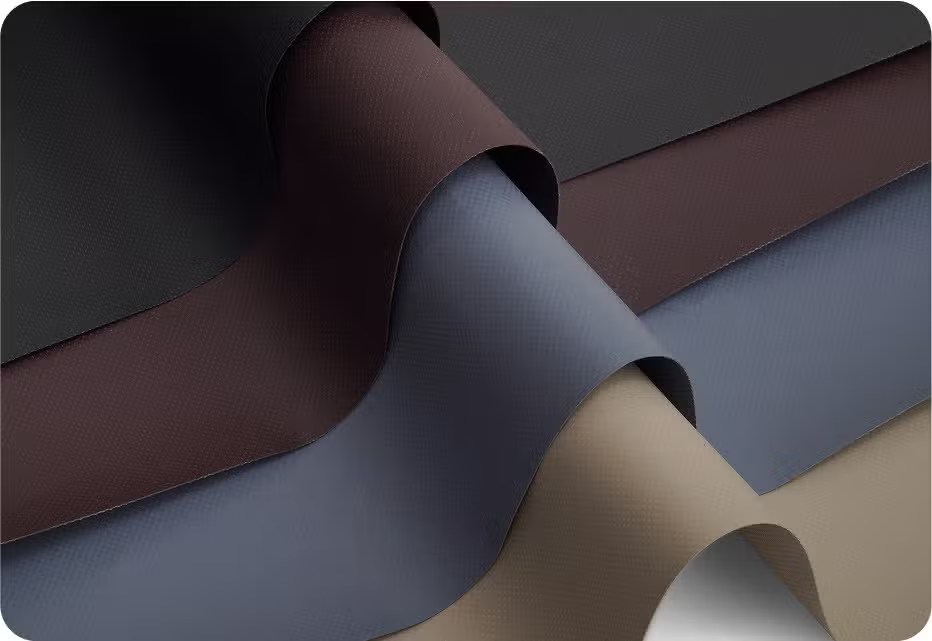
Review fabric weight, hand, durability, and care through Our Fabrics. Choose a rear or concealed closure path that clears walls and delicate finishes. Ties or tuck allowances should land in real gaps, not be forced into fixed upholstery seams. Confirm how often the slipcover will be removed for cleaning.
Create an Upholstery-Specific Brief
Submit overall dimensions, independent arms, seat opening, deck, front rail, back profile, cushion drawings, skirt drop, feet, piping, closure path, and fabric-care priorities. Visit the Single Seater Sofa Slipcover, explore Patio Furniture Covers, or request a quote for attached cushions or motion furniture.
Frequently Asked Questions
Is a single-seater sofa the same as an armchair?
The terms can overlap, but order measurements should describe the actual upholstered frame, cushions, arms, deck, and lower finish rather than rely on a furniture label.
Should I compress the cushions while measuring?
No. Arrange them naturally and record crown and thickness without pushing the foam flat.
Can one slipcover fit a recliner?
A moving chair usually needs motion-specific access and clearances. Discuss the mechanism before treating it like a stationary sofa seat.
Turn the Measurements Into a Production-Ready Cover
The cleanest single-seat slipcover comes from treating the arms, deck, back, cushion, and skirt as connected but separate pattern zones. Accurate cross-sections, a defined cushion plan, and a practical closure route let CoversForge build around the real upholstered form instead of a generic chair size.
Share This Article


