 Business





V-Shaped Boat Cushion Covers: Map the Point, Arms, Foam Crown, and Zipper Path

A V-shaped bow cushion is not a triangle. It may [...]
A V-shaped bow cushion is not a triangle. It may have two unequal arms, a clipped point, curved outer ends, beveled foam, and a crowned top that follows the hull seating area. A custom V-shaped boat cushion cover needs a labeled plan view and a full thickness profile so the new shell does not twist around the foam.
Remove the cushion only if the manufacturer and installation allow it, then let the foam and existing shell dry completely. Place it on a clean flat surface without compressing it. Mark port, starboard, forward, and aft with removable labels so every measurement, seam, and zipper location keeps the correct orientation.

Label the V Before Measuring
Draw the cushion from above and label the forward point, port arm, starboard arm, and aft opening. State whether the V is symmetrical. Orientation matters because small differences in hull liners, hinges, or neighboring cushions can make a mirrored replacement difficult to install.
Measure Both Arms and the Centerline
Use How to Measure to record each inside arm, each outside arm, the straight centerline from the point to the aft opening, and the overall aft width. Measure between consistent seam or foam reference points and do not assume the two sides match.
Capture the Included Angle and Point Shape
Measure the distance between several matching stations on the two arms, not only the final width. Note whether the forward point is sharp, rounded, clipped, or notched. A few cross-widths locate the angle more reliably than a protractor reading on flexible upholstery.
Trace Curved and Beveled Edges
Record corner radii, curved aft ends, hull-side bevels, and any edge that changes thickness. Use a paper template for irregular plan shapes when practical. Photograph bevel direction because a top edge and bottom edge may have different outlines.
Measure Foam Thickness and Crown
Measure thickness at the point, center, arms, and aft ends without squeezing the foam. Lay a straightedge across the top to record crown or contour. Waterlogged or permanently deformed foam should be addressed before a new cover is sized around it.
Document the Existing Seam Map
Photograph top boxing seams, piping, darts, relief cuts, and underside panels. Measure where seams meet the labeled arms. The existing shell can reveal how compound curves are controlled, but do not copy stretched or distorted seam positions without checking the foam beneath.
Choose a Practical Zipper Path
Locate a zipper where the cushion can be inserted without forcing the point through a narrow opening. Keep hardware away from exposed skin, neighboring fiberglass, and pooled water. Confirm whether the zipper needs a protective flap and which edge is accessible after installation.
Plan for Marine Moisture and Cleaning
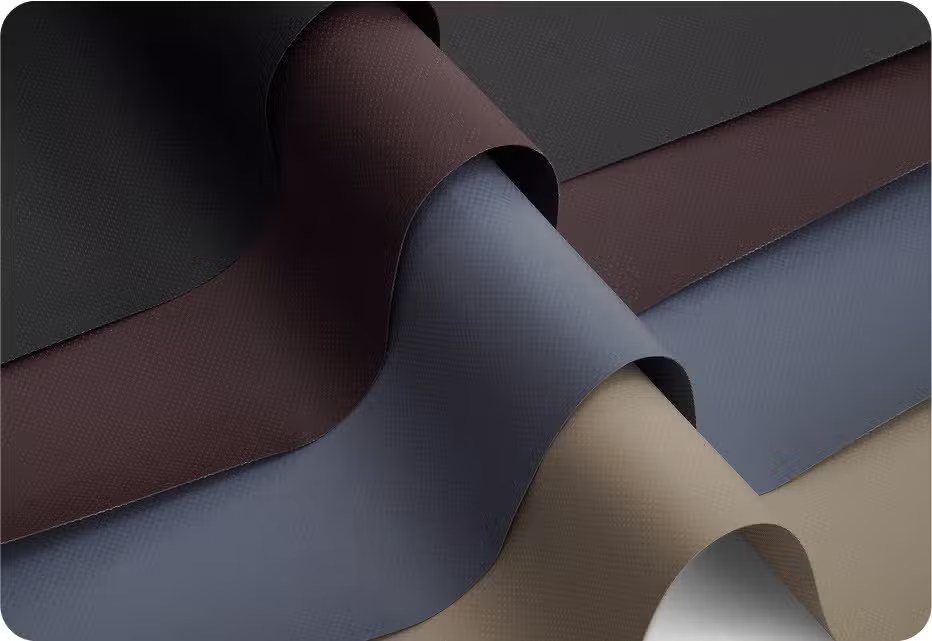
Review material care, flexibility, and outdoor exposure through Our Fabrics. A cushion shell and a weather storage cover solve different problems, so state the intended use clearly. Always dry foam thoroughly and maintain drainage and ventilation required by the boat and cushion manufacturer.
Check Fit Against the Seating Recess
Measure the recess or neighboring cushions separately and record required gaps for removal. Hinges, snaps, hook-and-loop strips, and access panels should not be concealed accidentally. The cushion must sit safely without the new cover binding at the point or lifting an arm.
Send a Labeled Marine Pattern Brief
Provide the top sketch, both arm lengths, centerline, cross-width stations, point treatment, curves, bevels, thickness stations, crown, seam map, zipper path, and installation clearances. Visit the V Shape Boat Cushion, explore Vehicle Covers, or request a quote for a hull-specific template.
Frequently Asked Questions
Can I fold the cushion to measure it?
No. Keep it flat and uncompressed so the arms, angle, thickness, and crown remain accurate.
Are the two sides of a V cushion usually identical?
They may look symmetrical but still differ; measure and label port and starboard independently.
Should I measure the old cover or the foam?
Measure the stable foam and document the old seam map; stretched fabric alone is not a reliable pattern.
Turn the Measurements Into a Production-Ready Cover
A V-shaped cushion needs orientation, station measurements, and thickness information, not just three outside dimensions. Labeled arms, cross-widths, point geometry, bevels, crown, seams, and the zipper path give CoversForge a production brief that respects both the foam and the boat seating recess.
Share This Article


