 Business





Slanted Square Covers: Record Four Corner Heights, Slope Direction, and Base Geometry

A square footprint does not make a slanted object simple. [...]
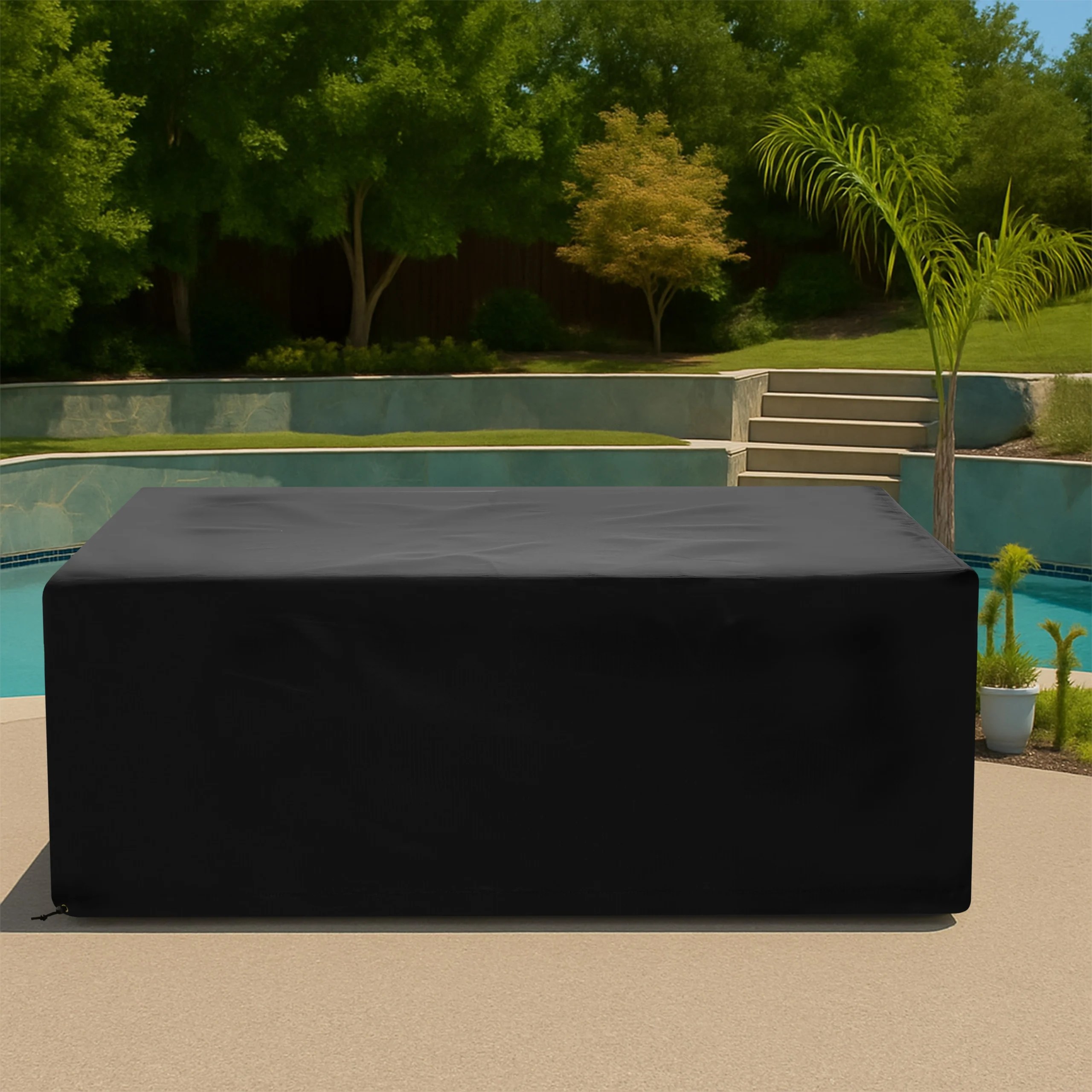
A square footprint does not make a slanted object simple. The top may fall from back to front, side to side, or diagonally between opposite corners, leaving four different vertical heights. A custom slanted square outdoor cover needs a labeled plan and slope map so the top seam follows the real high and low edges.
Place the item on level ground and choose one permanent viewing direction as the front. Label corners A, B, C, and D clockwise. Photograph the object from all four sides and above. If the base is not level, record that condition separately instead of allowing it to distort the top-slope measurements.

Confirm the Base Is Actually Square
Measure all four base sides and both diagonals. Equal nominal sides do not guarantee a square footprint if the frame is racked or the corners are rounded. Record corner radii, feet, and any base taper so the lower panel is not designed from the top dimensions alone.
Label the High and Low Edges
On the sketch, mark the highest corner, lowest corner, and direction water naturally travels. State whether the slope runs front-to-back, left-to-right, or diagonally. Never use only the words high side and low side without matching them to labeled corners.
Measure All Four Corner Heights
Follow How to Measure and measure vertically from the same level reference plane to the top at A, B, C, and D. Keep the tape plumb. Add midpoint heights on every edge when the top is curved, stepped, or supported by a raised frame.
Record Top Edges and Diagonals
Measure all four top-edge lengths and both top diagonals. If the sloped plane overhangs the base, record each projection independently. These checks reveal whether the top is a true plane or a twisted surface that needs more station measurements.
Distinguish One Plane From Multiple Slopes
A simple shed top has one continuous plane. Some objects use a center ridge, shallow pyramid, folded panels, or a level landing before the slope. Mark every break line and its height. Do not average separate planes into one angle.
Map Projections on Each Face
Record doors, handles, vents, pipes, hinges, and shelves by labeled face. Measure their width, depth, height, and distance from the nearest corner. Close movable parts for storage and confirm required ventilation or service clearances before deciding where seams and openings belong.
Use the Slope to Support Drainage
The cover should respect the existing fall and avoid a loose basin near the low edge. Note where runoff may leave safely without entering controls or pooling at the base. Smooth support is only needed where the underlying top cannot maintain a drainage-friendly profile.
Choose Fabric and Reinforcement Deliberately
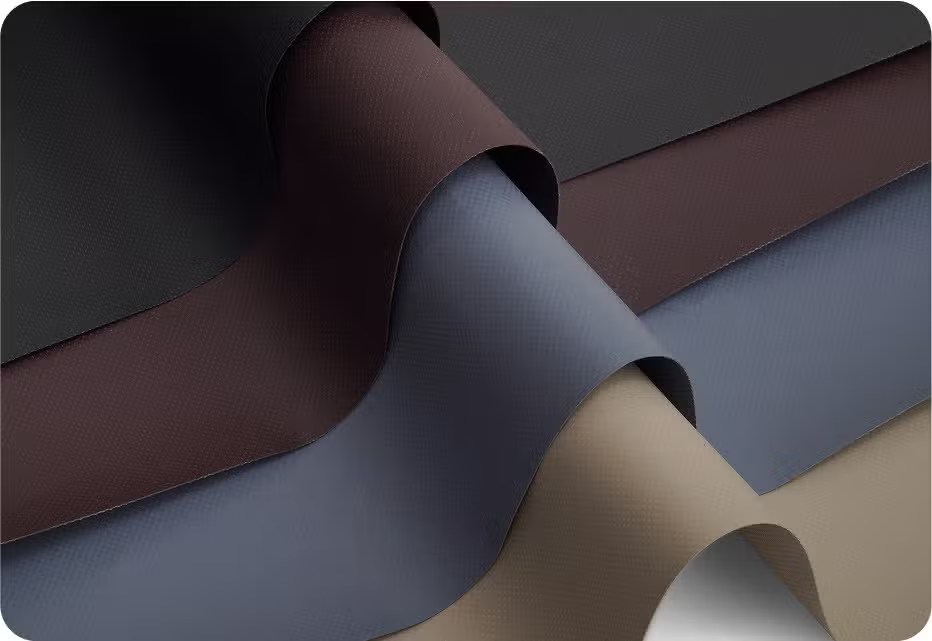
Compare outdoor durability, flexibility, weight, and cleaning through Our Fabrics. Reinforce high corners and confirmed contact points while keeping the sloped panel free to shed water. Excess stiffness or blanket reinforcement can make a four-corner cover difficult to orient.
Place Orientation Marks and Balanced Anchors
A front label or handle prevents the cover from being rotated 90 degrees. Use opposing restraints at stable lower points on all necessary faces. Keep buckles above standing water and away from vents, cables, hinges, and service doors.
Build a Four-Corner Production Drawing
Send the labeled square plan, base and top sides, both diagonals, A–D heights, midpoint heights, slope direction, plane breaks, projections by face, hem clearance, runoff route, and anchor points. Review the Slanted Square Outdoor Cover, browse Custom Covers, or request a quote for a twisted top.
Frequently Asked Questions
Can I submit only the highest and lowest heights?
No. All four corner heights show whether the top slopes along one axis or twists diagonally.
Is a square base enough to prove the top is square?
No. Measure the top edges and diagonals separately, including any unequal overhangs.
How do I prevent rotating the cover?
Use labeled faces plus a front handle, tag, or consistent restraint layout.
Turn the Measurements Into a Production-Ready Cover
A slanted square cover is a four-corner coordinate problem. Base checks, top diagonals, individual corner heights, slope direction, plane breaks, and face-specific projections give CoversForge an unambiguous model that installs in the correct orientation and supports runoff.
Share This Article

Written by : CoversForge
Follow Us
Latest Articles

September 30, 2026

September 30, 2026
