 Business





Curved-Back Patio Chair Covers: Trace the Arc, Seat, Arms, and Rear Feet

A curved chair back changes width and depth continuously from [...]
A curved chair back changes width and depth continuously from the center to the arms. Treating that profile as a rectangular box often creates a tight center seam and loose rear corners. A custom curved-back patio chair cover needs a clear arc map plus the seat, arms, cushions, and feet that support it.
Set the chair on level ground in its normal storage position. Place fixed cushions as they will remain, remove loose pillows for dry storage when practical, and photograph the chair from above, behind, and both sides. Those views help explain whether the back forms a shallow bow, a deep wraparound curve, or an asymmetric sweep.

Identify the Back Curve From Above
Look straight down and mark the center of the back, both arm junctions, and the widest outside points. Record whether the curve is circular, elliptical, faceted, or flatter near the center. Do not estimate the arc from the front edge because upholstery thickness can change across the back.
Record Chord, Depth, and Arc Checks
Follow How to Measure to measure the straight chord between the two outer back points, then the perpendicular depth from that chord to the deepest center point. Add two half-chords and several station depths so the curve can be reproduced without relying on one flexible-tape reading.
Measure Back Height at Several Stations
Record height at the center, quarter points, and both ends where the back joins the arms. Curved backs may crown at the center or slope toward one side. Keep the tape vertical to the floor and note piping, decorative caps, or frame ends that extend beyond the upholstery.
Map the Seat and Cushion Crown
Measure seat width at front, middle, and rear, plus seat depth along the centerline. Record the settled cushion thickness and any crown above the frame. If a loose cushion stays outside, define its exact position and never compress it while taking the finished-cover height.
Include Arms and Front Openings
Measure arm height, width, outside spread, and the transition into the curved back. Note open arms, woven panels, cup holders, and sharp decorative edges. A shaped side panel should follow permanent structure while leaving enough ease for installation over the widest arm points.
Locate Rear Feet and Base Taper
Curved chairs often narrow below the seat or use angled rear feet that sit outside the back panel. Record the outside footprint at floor level and again below the seat. Include glides and adjustable feet, then set the hem above paving where water and grit collect.
Plan Runoff Across the Curved Top
Water should move from the back crown toward open side and front edges rather than pool behind the cushion. Identify the natural high point. If a smooth support is used, keep it broad and stable so it cannot distort upholstery or create a hard pressure point.
Select Fabric That Can Follow an Arc
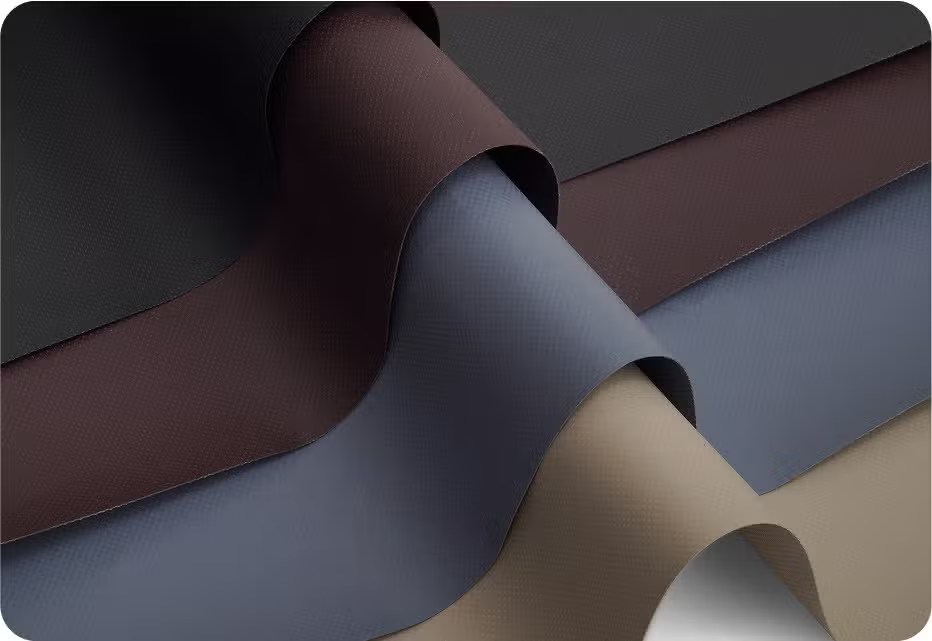
Compare drape, outdoor durability, cleaning, and UV exposure through Our Fabrics. A controlled, flexible material can follow a compound curve with fewer bulky folds. Reinforce only confirmed contact points so the cover remains manageable during frequent removal.
Balance Restraints at the Lower Frame
Choose opposing anchors on stable front and rear frame members. Tightening only the front can pull the center seam forward and flatten the intended arc. Keep straps clear of wicker edges, moving bases, and feet that could rub a buckle against the floor.
Send a Curve-Specific Production Brief
Provide the chord, maximum arc depth, station depths, back heights, seat map, arm profile, cushion crown, foot footprint, hem clearance, runoff plan, and anchor locations. Review the Curved-Back Patio Chair Cover, browse Patio Furniture Covers, or request a quote for an asymmetric frame.
Frequently Asked Questions
Is one back width enough for a curved chair?
No. Add the chord, maximum depth, station depths, and several heights so the actual arc can be reconstructed.
Should loose cushions stay under the cover?
Dry indoor storage is usually best; if they remain, measure them in one repeatable settled position.
Can I trace the curve with a flexible tape only?
Use the flexible length as a check, but pair it with straight chords and perpendicular depths.
Turn the Measurements Into a Production-Ready Cover
A curved-back chair is best described as a measured arc attached to a seat and base, not as a box with rounded corners. Chords, station depths, changing heights, arm transitions, and the real foot footprint give CoversForge a stable geometry for a cleaner fit and easier everyday handling.
Share This Article

Written by : CoversForge
Follow Us
Latest Articles

September 30, 2026

September 30, 2026
