 Business





Oval Ottoman Covers: Measure Two Axes, Cushion Crowns, Bases, and Feet

An oval ottoman looks simple until a rectangular tape measurement [...]
An oval ottoman looks simple until a rectangular tape measurement is used to describe a curved perimeter. The long axis, short axis, crown, taper, and base all affect how a custom oval outdoor ottoman cover settles without twisting or leaving loose corners.
Measure the ottoman on level ground in the exact configuration that will be protected. Remove loose accessories, let cushions dry fully, and confirm whether the cushion is fixed or detachable. Photograph the piece from above and from both ends so the difference between the two curves is clear.

Confirm the Shape Is Truly Oval
Look straight down at the top. A true oval has a longer centerline and a shorter perpendicular centerline, while a racetrack shape has straight sides joined by semicircular ends. Note flattened areas, seams, or asymmetric ends because those details change panel layout.
Measure the Long and Short Axes
Follow How to Measure and record the maximum length along the center of the oval, then the maximum width at exactly 90 degrees. Keep the tape level and include piping or welting. Do not substitute a diagonal corner measurement, because an oval has no true corners.
Capture the Cushion Crown
Place a straightedge across the highest point and measure vertical height to the floor. Then record the height at the long ends and widest sides. A domed cushion needs shaped top panels and sensible ease; compressing it during measurement can create a tight finished cover.
Record Base Taper and Under-Cushion Changes
Measure the base immediately below the cushion and again near the feet. Some ottomans taper inward, flare outward, or use a recessed plinth. Mark the height of each transition so the cover can follow the silhouette instead of hanging like a cylinder.
Include Feet, Glides, and Hidden Hardware
Measure the outside footprint of all feet, including angled legs, adjustable glides, and brackets that sit beyond the upholstery. Check for sharp staples or fasteners beneath the frame and correct them before covering. Keep the hem above surfaces where water and grit collect.
Decide Whether the Cushion Stays in Place
Store removable cushions indoors when practical. If the cushion remains, include its normal uncompressed thickness and confirm that ties, zippers, and piping cannot rub the cover. Never cover wet foam; trapped moisture can migrate into seams and frame joints.
Plan Runoff Across a Low Profile
Low ottomans can hold water at the center. Identify the natural crown and the direction water should leave the cover. If a support is needed, use a broad smooth form that cannot shift or create a hard pressure point under the fabric.
Select Fabric for Curves and Daily Handling
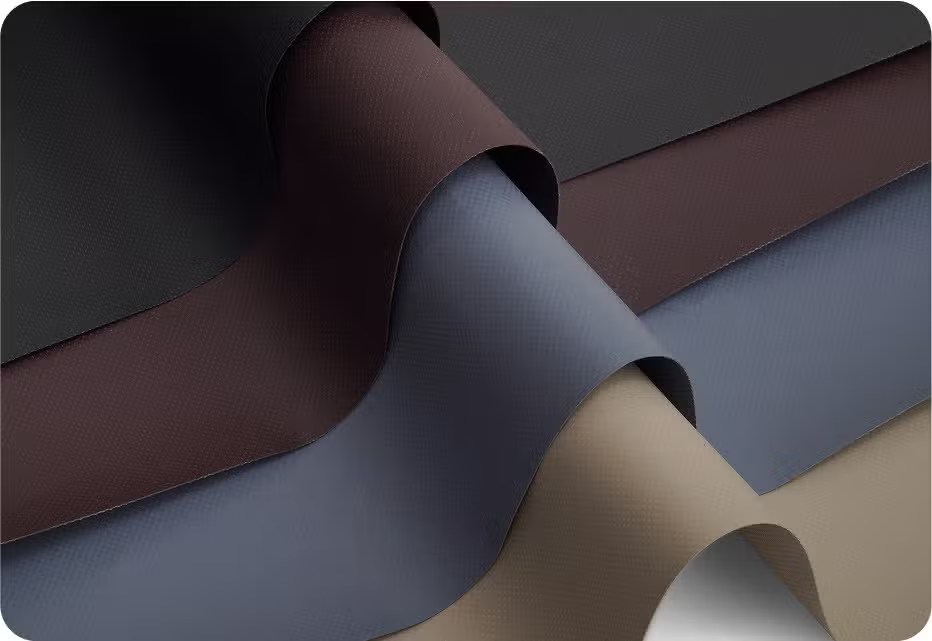
Compare weight, flexibility, UV exposure, and cleaning guidance through Our Fabrics. A material with controlled drape follows an oval more cleanly than an unnecessarily stiff sheet. Reinforce repeatable contact points, not every curved edge, to preserve flexibility.
Place Restraints Without Distorting the Oval
Use opposing straps at stable lower frame members or approved feet. Tightening only one end can rotate the cover and pull the long axis off center. Keep buckles above paving and away from upholstery, then confirm that the ottoman itself is stable in wind.
Send a Two-Axis Production Brief
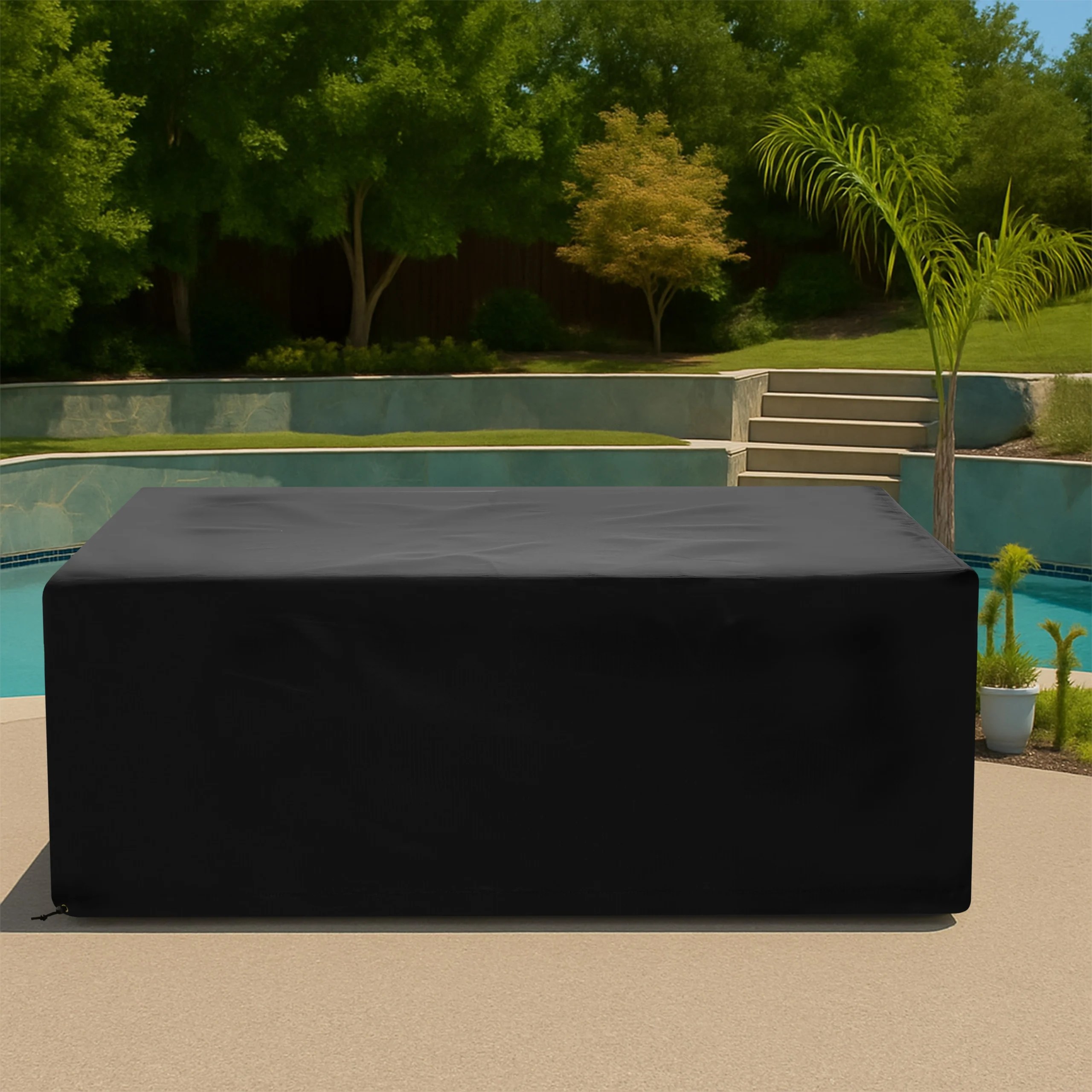
Provide long axis, short axis, crown height, side heights, base dimensions, taper points, foot footprint, hem clearance, runoff plan, and anchor locations. Review the Oval Ottoman Cover, browse Patio Furniture Covers, or request a quote for an asymmetric piece.
Frequently Asked Questions
Can I measure an oval ottoman as a rectangle?
No. A bounding rectangle misses the curved perimeter and usually creates four unnecessary loose corners.
Should I press down on the cushion?
Measure it in its normal settled state without compressing the crown.
Where should the hem end?
Keep it low enough for protection but above wet paving, debris, and moving feet.
Turn the Measurements Into a Production-Ready Cover
The reliable description of an oval ottoman is a set of coordinated curves, not one length and width. Two perpendicular axes, crown heights, base taper, and the true foot footprint give CoversForge the information needed to shape a stable cover that is easy to remove and reinstall.
Share This Article


