 Business





Modular Corner Chair Pair Covers: Map the L Footprint, Cushions, Gaps, and Connectors

Two modular corner chairs can form a compact L, but [...]
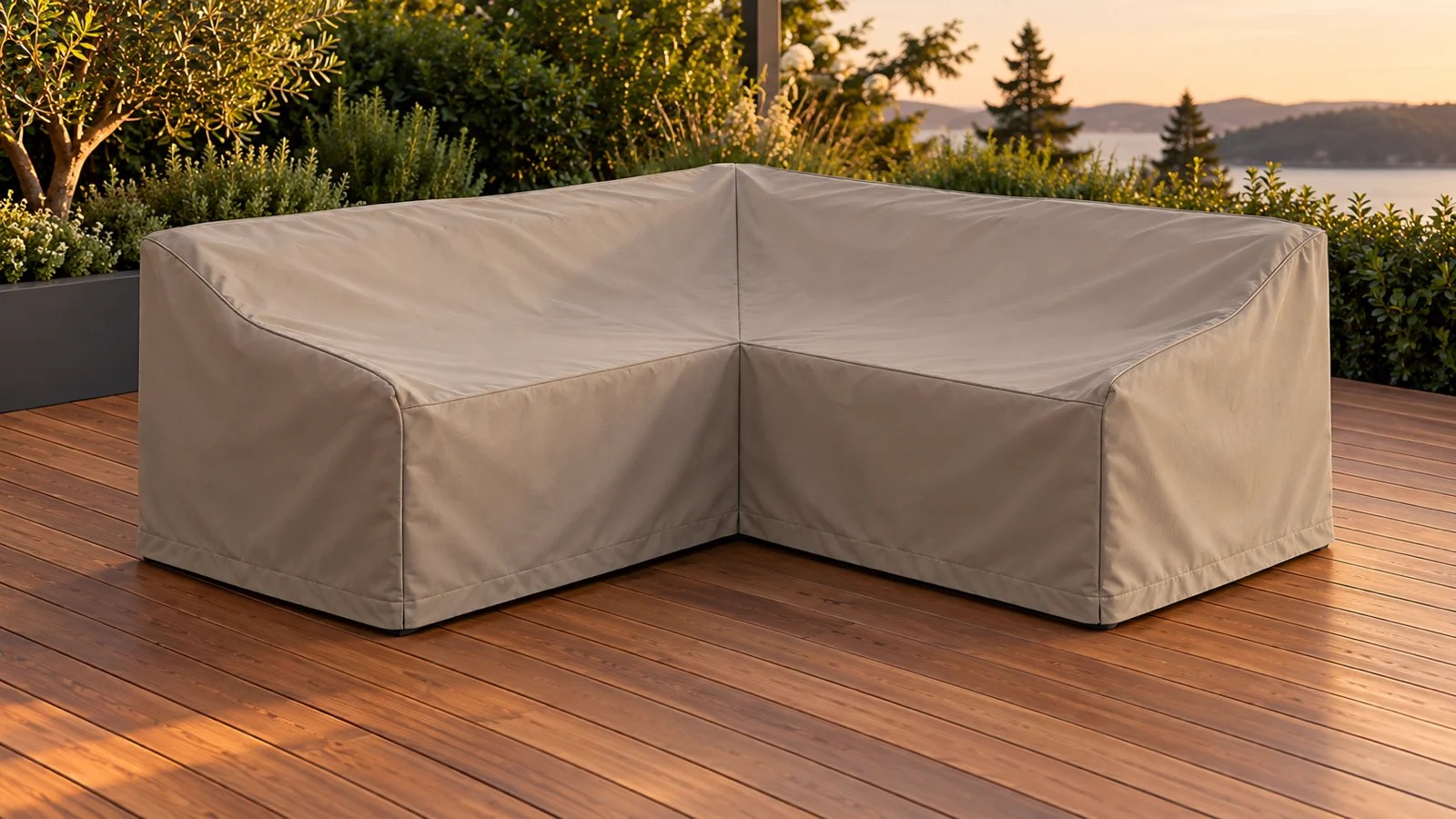
Two modular corner chairs can form a compact L, but the inner corner, connector gap, cushions, and back wedges make the shared footprint more complex than two squares. A custom modular corner chair pair cover needs a fixed layout so the same cover returns to the same shape after every use.
Join the chairs with their approved clips and place them on level ground. Set cushions in their normal positions or remove them for dry storage. Align the backs and feet, then mark the floor discreetly if the pair tends to separate or rotate during daily use.
Confirm the Two-Module Layout
Draw the pair from above and label left and right modules. Record whether they create a 90-degree L, a shallow angle, or a nearly square corner. State which faces are exposed and where the connector sits so the cover is not mirrored during production.
Measure Each Chair Independently
Follow How to Measure to record width, depth, height, arm profile, seat height, and foot footprint for both modules. Do not assume factory-matched chairs remain identical after replacement cushions or adjustable feet have been added.
Map the Combined L Footprint
Measure both outside runs from the back corner, the overall depth of each leg, and the diagonal between outer front corners. Then measure the inner return. These checks distinguish a true right angle from a skewed arrangement that would twist a shared cover.
Record the Connector Gap
Measure the visible gap at seat, back, and floor levels after clips are engaged. Note protruding brackets or anti-slip pads. The gap needs enough bridge allowance for movement and runoff, but excessive slack can create a deep water pocket between the chairs.
Capture Back Wedges and Inner-Corner Cushions
Record back height at the outer ends and where the modules meet. Photograph wedge cushions, pillows, and sloped backs from above. If loose cushions remain, include their settled thickness and define how they are placed so the top profile stays repeatable.
Choose a Dry Cushion Strategy
Separate storage is usually best for loose cushions during extended wet weather. If they remain beneath the cover, they must be completely dry and positioned consistently. Do not count on a vent to dry saturated foam or water trapped in the inner corner.
Shape the Top for Corner Runoff
Plan a high path across the joined backs and away from the inner L. Avoid a unsupported valley between modules. Any added support should be broad, smooth, stable, and positioned where it cannot compress cushions or load a flexible seat deck.
Select Material for Repeated Folding
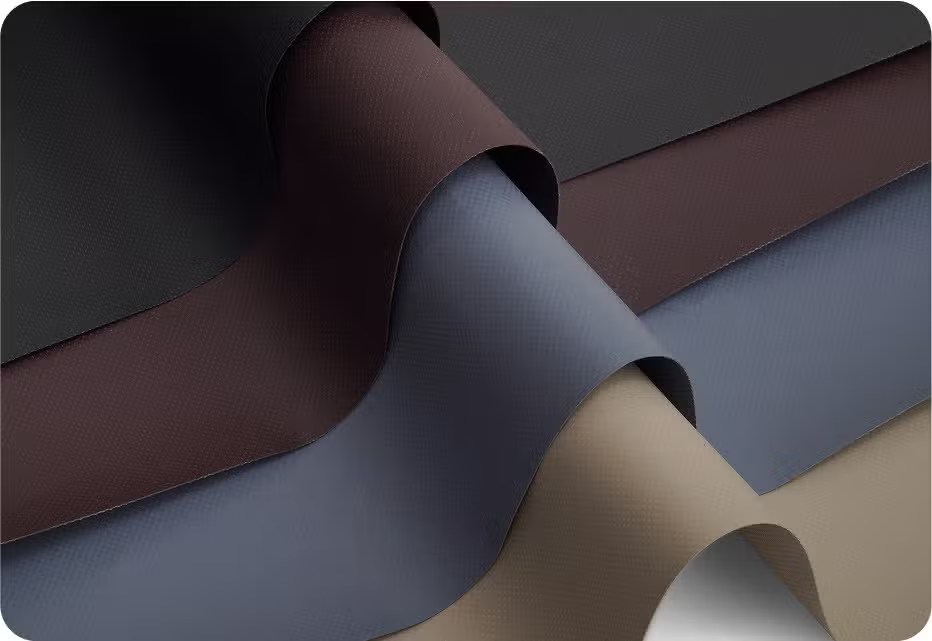
Compare weather protection and handling characteristics through Our Fabrics. A paired-chair cover is wider than a single-chair cover, so manageable weight matters. Reinforce outer arm corners and back peaks while preserving flexible folds around the inside return.
Anchor Both Modules Without Pulling Them Apart
Use separate opposing straps at stable lower rails on each chair. Do not tighten one module against the other or rely on upholstery seams as anchor points. Confirm the connector is designed to hold the parked layout and that the furniture remains stable independently.
Submit an L-Shaped Pair Brief
Provide individual dimensions, outside runs, inner return, diagonal checks, connector gap, cushion plan, back profile, foot locations, hem clearance, runoff direction, and strap points. Review the Modular Corner Chair Pair Cover, browse Patio Furniture Covers, or request a quote for mismatched modules.
Frequently Asked Questions
Can I use one cover if the chairs are not clipped together?
A shared cover needs a stable repeatable layout, so use the approved connectors or choose separate covers.
Should the inner gap be removed from the measurement?
No. Record the real gap and the connector position as part of the combined footprint.
Can cushions stay under the cover?
Only when they are dry, securely placed, and included in every height and profile measurement.
Turn the Measurements Into a Production-Ready Cover
A modular corner pair becomes one coverable object only when the layout, connector gap, and cushion profile are controlled. Individual module measurements plus the outside L runs and inner return give CoversForge a complete footprint without treating the arrangement as an oversized rectangle.
Share This Article

Written by : CoversForge
Follow Us
Latest Articles

September 29, 2026

September 29, 2026
