 Business


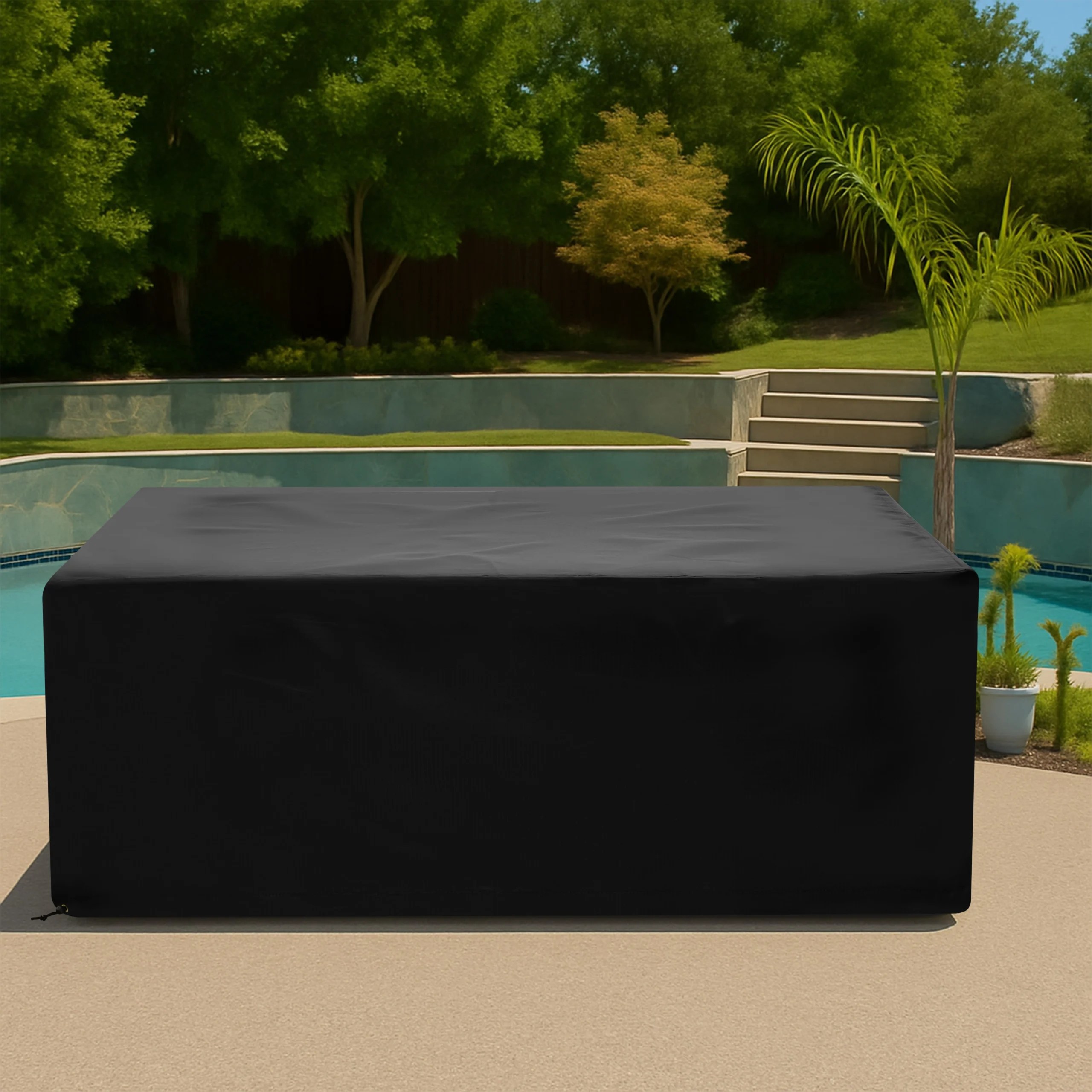



Octagonal Patio Dining Table Covers: Measure Eight Edges, Corners, Pedestals, and Feet

An octagonal table looks almost round from a distance, but [...]
An octagonal table looks almost round from a distance, but its eight straight edges and eight corners change how a fitted cover should be patterned. A custom octagonal patio dining table cover needs enough definition to stay centered without turning those corners into tight abrasion points.
Clear the tabletop, close any leaf mechanism, and decide whether chairs will be covered separately. Measure the table in its normal protected position after the surface is dry. Record the pedestal, legs, umbrella opening, and any hardware below the top rather than submitting only one overall diameter.

Confirm the True Eight-Sided Footprint
Count the sides and compare opposite edges before measuring. Some tables described as octagonal have alternating long and short edges, clipped corners, or a nearly round perimeter. Label every edge clockwise in a sketch so a maker can distinguish a regular octagon from an asymmetric top.
Measure Across Flats and Across Corners
Follow How to Measure and record the distance between opposite flat edges as well as the longest diagonal between opposite corners. Those two dimensions are not interchangeable. The corner-to-corner span controls the largest envelope, while the flat-to-flat span helps define panel depth and seam placement.
Record All Eight Edge Lengths
Measure each straight tabletop edge independently, including any leaf seam or extension section. Small differences can reveal a nonregular footprint or an off-center pedestal. Note the tabletop thickness and any apron that projects below an edge, because the cover drops from the outermost permanent point.
Map the Pedestal or Leg Pattern
Photograph the base from two directions. A central pedestal may flare beyond the tabletop shadow near the floor, while four or eight legs can create a wider hem path. Record the widest base diameter, each foot projection, crossbars, and the clearance needed to keep fabric above wet paving.
Include Umbrella Hardware Only When It Stays
If a pole remains installed, provide its diameter, height, position, cap shape, and the intended opening or sleeve. If the umbrella will be removed, measure the table without it and describe how the empty opening is closed so water is not directed beneath the cover.
Shape the Top for Reliable Runoff
A large flat cover can collect water even when the table itself is level. Identify a safe high point, such as a smooth support placed under the center, and state the intended runoff direction. Avoid sharp improvised objects that could puncture fabric or leave a permanent pressure mark.
Choose Fabric and Reinforcement Deliberately
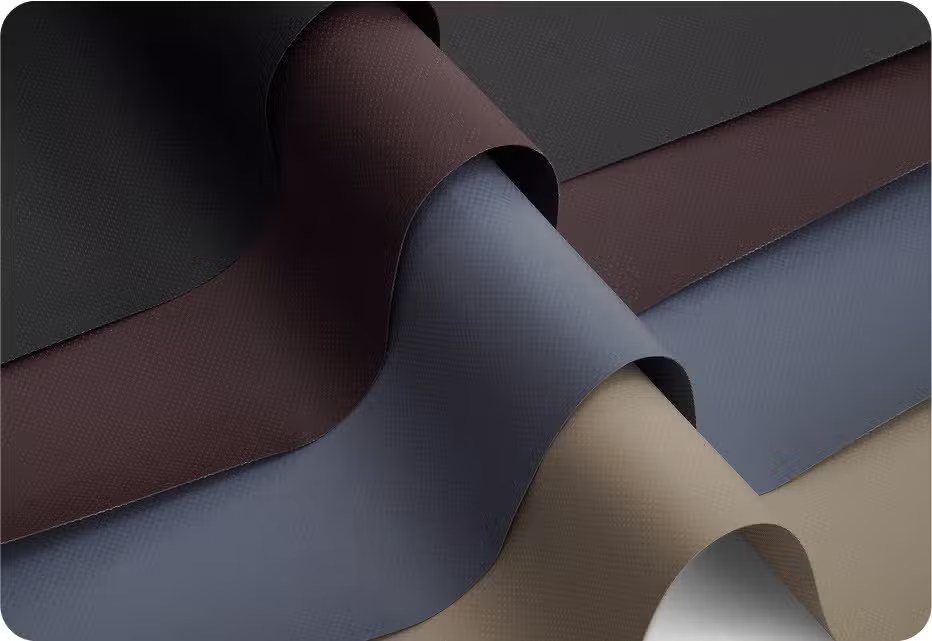
Compare weight, flexibility, UV exposure, and cleaning guidance through Our Fabrics. Reinforce the eight corner transitions and any sharp apron brackets. A heavier material is not automatically better if it cannot fold cleanly around closely spaced corners or becomes difficult to remove.
Plan the Hem and Wind Control
Measure hem height from the tabletop perimeter, not from the center. Mark safe strap locations on pedestal arms or stable leg pairs. Keep buckles away from chair paths and foot traffic, and do not tighten a perimeter cord so aggressively that it drags the cover across corner finishes.
Decide Whether Chairs Belong Under the Same Cover
A table-only cover keeps the octagonal geometry clear and supports easier daily handling. If chairs must sit beneath one cover, measure the occupied arrangement as a separate polygon and keep every chair in a repeatable position. Do not combine table-only dimensions with a chair-inclusive photo.
Send an Eight-Point Production Brief
Provide the flat-to-flat span, corner-to-corner span, all edge lengths, tabletop thickness, base geometry, hem clearance, runoff plan, and anchor locations. Review the Octagonal Patio Dining Table Cover page, browse Patio Furniture Covers, and request a quote with labeled photos.
Frequently Asked Questions
Is one diameter enough for an octagonal table?
No. Record both the flat-to-flat and corner-to-corner spans, plus the edge lengths, so the eight-sided shape is not treated as a circle.
Can chairs stay under the cover?
They can, but the grouped footprint must be measured separately with the chairs parked in fixed positions.
Should the cover touch the patio?
No. Leave practical ground clearance so the hem avoids standing water, dirt, and abrasion.
Turn the Measurements Into a Production-Ready Cover
An octagonal table fits best when its eight edges are documented as a real polygon rather than simplified into one diameter. Pairing the two principal spans with a labeled perimeter, base dimensions, runoff support, and sensible wind controls gives CoversForge the information needed to shape a stable table-only cover.
Share This Article


