 Business





Bar-Height Patio Chair Covers: Measure Tall Backs, Footrests, Seats, and Long Legs

A bar-height chair has a high center of gravity, a [...]
A bar-height chair has a high center of gravity, a narrow seat, long legs, and a footrest that may project beyond the frame. A custom bar-height patio chair cover should follow that tall profile without becoming a loose sail or hanging so low that it drags across the terrace.
Measure one chair standing level in its normal storage location. Remove loose cushions unless they are specifically included, center swivel seats if present, and inspect the frame for sharp corners or loose hardware. Do not stack tall chairs unless the product is designed and stabilized for stacking.

Confirm Chair Type and Storage Position
Identify whether the chair is stationary, swivel, folding, or stackable. Record the exact parked position, including seat rotation and any folded footrest. A cover for a fixed bar chair cannot safely compensate for a different storage configuration from one day to the next.
Measure Total Height Without Leaning the Chair
Use How to Measure to record the vertical height from the floor to the highest back point. Keep the chair upright on all feet. Do not measure along a sloped back, because that diagonal length will overstate the vertical panel requirement.
Capture the Seat and Back Taper
Measure back width at the top and at seat level, seat width and depth, arm span if present, and the transition between the back and seat. Tall chairs often taper significantly, so a single maximum width can leave large loose panels near the upper back.
Map the Footrest Projection
Measure the footrest height, width, depth, and distance from the front legs. Note whether it wraps around the sides or forms one front rail. Reinforce only smooth, repeatable contact zones and guard any exposed welds, caps, or sharp corners first.
Record Long Legs and Lower Frame Spread
Measure the outside distance between feet in both directions. Some bar chairs flare wider at the floor than at the seat. Include cross braces, glides, and levelers, then set hem clearance so the cover stays above puddles without exposing too much lower frame.
Handle Swivel or Folding Parts Safely
Center a swivel seat over the base and use the manufacturer’s lock if provided. Close folding frames in the approved storage position only if that is how they will be covered. Never operate the chair or use the cover to restrain an unlocked mechanism.
Select Fabric for Height and Wind Exposure
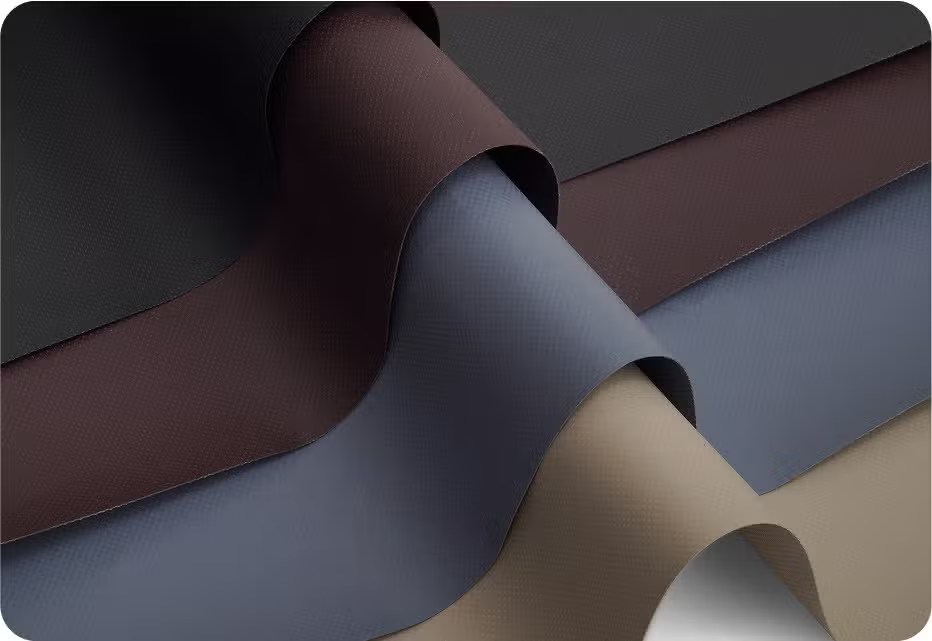
Compare material weight, flexibility, UV performance, and cleaning guidance at Our Fabrics. A tall cover needs shaped panels and secure lower restraint more than unnecessary bulk. Reinforce the back crown, footrest contact, and sharp arm corners.
Plan Balanced Tie-Down Points
Place straps around stable lower rails or legs in opposing positions. Do not anchor only one side or attach to the footrest unless the chair maker approves it as structural. On exposed rooftops, the furniture itself may need separate anchoring under building and manufacturer rules.
Make Daily Removal Practical
Use a reachable closure and a cover weight that one person can lift without climbing on the chair. Release every buckle before pulling upward. Store the dry cover away from hot surfaces, cooking equipment, and walking paths.
Send a Tall-Chair Production Brief
Provide chair type, total vertical height, back and seat taper, arm span, footrest projection, lower-leg spread, hem clearance, reinforcement zones, and strap locations. Visit the Bar-Height Patio Chair Cover page, browse Patio Furniture Covers, and request a quote for unusual frames.
Frequently Asked Questions
Can I use a dining-chair cover on a bar-height chair?
Usually not. The taller back, longer legs, and footrest create a different profile and wind load.
Should the footrest be included?
Yes. Measure its full projection and guard any sharp edges that could rub the cover.
Can a swivel seat move under the cover?
Park it in a centered position and remove the cover before rotating or using the chair.
Turn the Measurements Into a Production-Ready Cover
A bar-height chair is best treated as a tapered tall structure, not an enlarged dining chair. Vertical height, lower leg spread, footrest geometry, and balanced restraints are the measurements that keep the finished cover controlled and practical on an exposed patio.
Share This Article

Written by : CoversForge
Follow Us
Latest Articles

September 29, 2026

September 29, 2026
