 Business





Adirondack Chaise Lounge Covers: Measure Sloped Backs, Wide Arms, Leg Decks, and Feet

An Adirondack chaise combines the high fan-shaped back and wide [...]
An Adirondack chaise combines the high fan-shaped back and wide arms of a classic chair with an extended reclining deck. The resulting profile changes height and slope several times. A custom Adirondack chaise lounge cover should follow those transitions without bridging tightly from the back crown to the far end of the leg rest.
Place the chaise on level ground in the exact protected position. Remove loose cushions, close adjustable sections if the maker specifies a storage setting, and dry the slats and joints. Photograph both sides because braces and arm supports can differ even when the top view looks symmetrical.

Define the Adirondack-Chaise Profile
Confirm that the piece has a reclined Adirondack back, broad arms, a low seat transition, and an integrated or attached leg deck. Note whether the deck folds, slides, or separates. Measure the configuration that will remain covered rather than combining dimensions from several positions.
Measure Overall Length and Vertical Height
Follow How to Measure to capture the longest horizontal length from rear frame to front foot and the vertical height at the back crown. Keep those axes separate. Measuring along the sloped back or seat will not define the outer cover envelope.
Trace the Fan Back and Shoulder Width
Measure back width at the crown, shoulders, arm level, and seat. Record the curve or stepped slat outline at the top. A shaped back panel reduces unused fabric while leaving sensible ease over slat ends and smooth decorative peaks.
Map Wide Arms and Their Supports
Measure outside arm span, arm width, front projection, thickness, and the brackets below. Note cup holders or pull-out trays only if they remain attached in a fixed position. Guard coarse wood edges or exposed fasteners before covering.
Record the Seat-to-Leg-Deck Transition
Locate the low point where the seat becomes the extended leg deck. Measure its height and distance from the back. This transition should be represented by a shaped seam or controlled drape so the cover does not form a tight unsupported bridge.
Include Front Feet, Rails, and Deck Taper
Measure the width and height at the far end of the chaise, including front feet, rails, and any upward curl. Record whether the deck narrows toward the foot. Set the hem high enough to avoid wet boards and leaf litter around the low front section.
Manage Wood, Poly, or Metal Surfaces
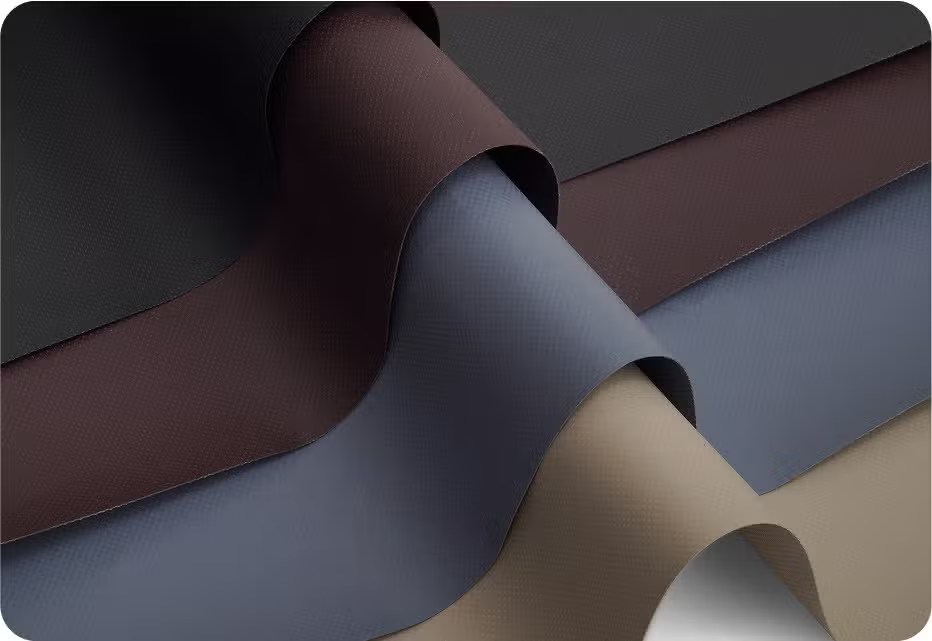
Review suitable material weight and surface care through Our Fabrics. Smooth hard corners and use reinforcement at repeatable arm, back, and foot contacts. Let stained wood or washed poly lumber cure and dry according to its finish instructions before covering.
Support Runoff Along the Long Slope
Plan a continuous path for water from the high back toward a safe side or foot edge. Avoid deep pockets at the seat transition. Use only broad, smooth supports if additional crown is needed, and keep runoff away from doors, foundations, and occupied walking areas.
Anchor at Stable Lower Rails
Place straps around approved lower frame members near the back and front so wind cannot lift the long cover like a wing. Do not cinch around movable deck joints or thin slats. The chaise itself may require separate anchoring in exposed locations.
Prepare a Side-Profile Production Brief
Send overall length and height, back widths, arm span, seat transition, leg-deck taper, foot geometry, hem clearance, runoff direction, and strap points. Review the Adirondack Chaise Lounge Cover page, explore Patio Furniture Covers, and request a quote for folding or asymmetric designs.
Frequently Asked Questions
Is an Adirondack chair cover long enough for the chaise version?
No. The extended leg deck changes the overall length, slope, front height, and anchoring needs.
Should I measure along the sloped back?
Record the vertical height and horizontal depth separately instead of using the diagonal surface length.
Can cushions stay beneath the cover?
Dry, removable cushions are usually better stored separately unless their care instructions say otherwise.
Turn the Measurements Into a Production-Ready Cover
The defining measurement is the full side profile: fan back, broad arms, low seat transition, long leg deck, and front feet. When those points are recorded separately, CoversForge can shape a cover that supports runoff and secure handling without flattening the chaise into one oversized rectangle.
Share This Article

Written by : CoversForge
Follow Us
Latest Articles

September 28, 2026

September 28, 2026
