 Business


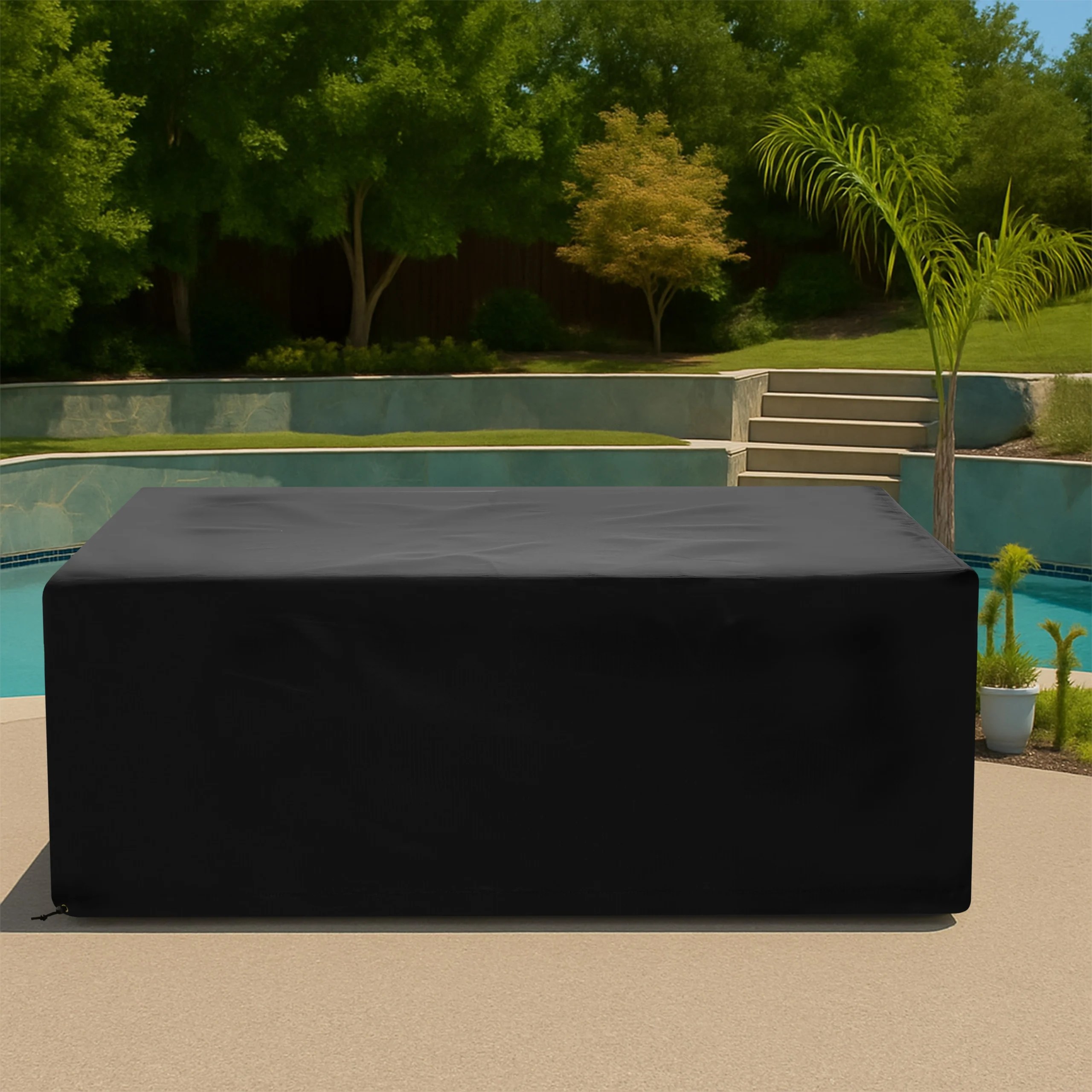




Garden Tool Storage Bench Covers: Fit Tall Handles, Hinged Seats, Compartments, and Feet

A garden tool storage bench combines a seat or work [...]
A garden tool storage bench combines a seat or work surface with compartments for hand tools, long-handled equipment, gloves, and supplies. The cabinet may be low at the front yet much taller where rakes and shovels park against a rear rack. A custom garden tool storage bench cover should follow that planned storage arrangement without resting on sharp blades or trapping wet soil inside.
Empty the bench, clean off fertilizer and plant residue, and let every compartment dry before measuring. Inspect handles, hinges, shelves, and feet for damage. Store fuels, pesticides, batteries, and wet organic material according to their own labels rather than sealing them beneath the cover.

Define the Bench’s Storage Configuration
Choose whether the seat, worktop, doors, and drawers are closed and whether tall tools stay in their racks. Mark removable items that will be stored elsewhere. A cover cannot fit consistently if a shovel changes sides or a hose projects beyond the bench on different days.
Measure the Cabinet and Tall Tool Zone Separately
Use How to Measure to capture the main bench width, depth, and height, then measure the taller handle zone as a second volume. Record the step between them, rear rack thickness, and the maximum outside envelope. Do not estimate tall handles from the cabinet height.
Map the Hinged Seat and Worktop
Measure lid thickness, hinge barrels, front pulls, support arms, and any backsplash. The cover normally fits the fully closed position. If the top has a crowned, slatted, or uneven surface, document the highest points and choose a runoff direction that does not push water toward the hinge line.
Park Long-Handled Tools Safely
Place rakes, shovels, hoes, and brooms in assigned slots with working ends down or protected as appropriate. Record handle height and spacing. Sharp tines, blades, and broken handles need rigid guards or separate storage; added fabric allowance alone will not prevent punctures.
Include Side Racks, Hooks, and Hose Holders
Photograph side shelves, tool hooks, cord loops, hose hangers, and detachable buckets. Remove loose accessories whenever practical. For items that remain, measure their farthest projection and add reinforcement at smooth, repeatable contact points.
Protect Compartments From Trapped Moisture
Dry hand tools, drain watering accessories, and clear soil from shelves. Keep the hem above wet ground and leaf buildup. Covered vents can support air exchange, but the cover should not be used to hide active mold, chemical spills, standing water, or corroding tools.
Choose Fabric for Abrasion and Sun
Review fabric weight, flexibility, UV resistance, water behavior, and cleaning guidance on Our Fabrics. Reinforce zones near metal handles, rack corners, hinges, and foot caps. Related irregular forms can be found under Custom Covers.
Plan Access Around Daily Tools
If the bench is opened often, decide whether the full cover will be removed or a front access panel is needed. Position closures where gloved hands can reach them. Do not operate a hinged seat, drawer, or tool rack through a partially secured cover.
Anchor to the Bench Frame
Use stable lower rails, feet, or approved brackets for straps. Keep buckles clear of door swings, floor drains, and walkways. A lightweight or top-heavy bench may need separate anchoring under the manufacturer’s instructions before the cover can be expected to resist wind.
Build a Tool-by-Tool Production Brief
Send the closed cabinet dimensions, tall-tool zone, hinge and lid details, fixed side accessories, protected sharp points, vent plan, runoff direction, access preference, and anchor locations. Review the Garden Tool Storage Bench Cover page and request a quote for stepped or asymmetric layouts.
Frequently Asked Questions
Can rakes and shovels stay in the bench?
Yes, if each tool has a fixed, safe position and its handle and protected working end are included in the measurements.
Should fertilizer stay under the cover?
Follow the product label and local storage rules. Do not assume a furniture cover is an approved chemical-storage enclosure.
Can the hinged seat open while covered?
Plan to remove the cover first unless a purpose-built access panel has been designed for the exact hinge path.
Turn the Measurements Into a Production-Ready Cover
A tool bench is best treated as a low cabinet plus a taller, more irregular storage zone. Measuring those volumes separately, fixing every tool position, guarding sharp edges, and planning ventilation creates a safer brief than adding broad allowance around an undefined pile of equipment. Use the product page and measurement resources above to organize a clear request for CoversForge.
Share This Article

Written by : CoversForge
Follow Us
Latest Articles

September 28, 2026

September 28, 2026
