 Business





Folding Picnic Table Bench Set Covers: Measure Hinges, Locks, Folded Profiles, and Feet

A folding picnic table and bench set can change from [...]
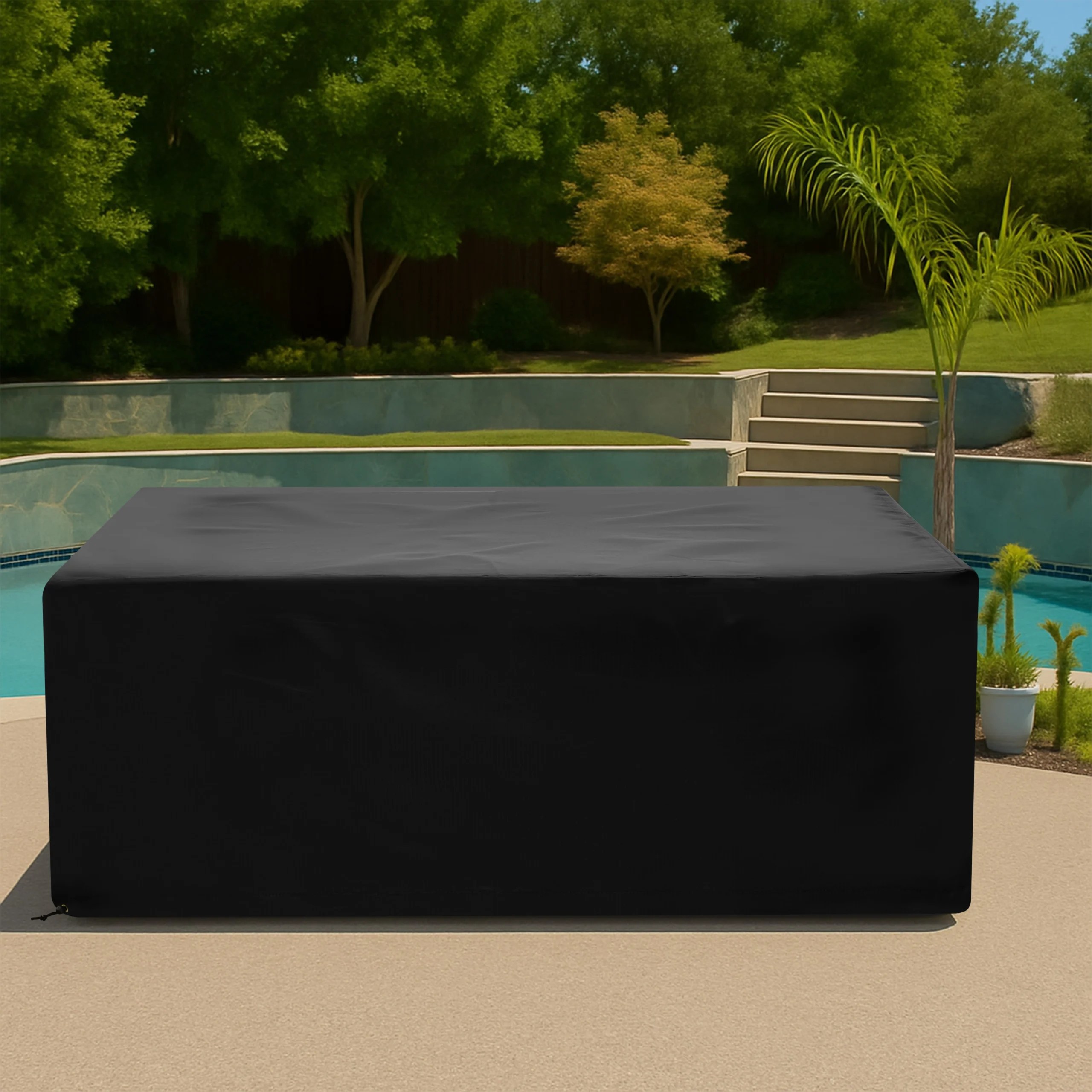
A folding picnic table and bench set can change from a wide dining layout into a compact storage bundle. Hinges, locks, carrying handles, nested legs, and stacked bench panels make the folded profile very different from a permanent picnic table. A custom folding picnic table bench set cover should match one locked storage configuration rather than a mixture of open and folded dimensions.
Clean food residue, dry every panel, and inspect the folding hardware before measuring. Engage the manufacturer’s locks and place the set on a level surface. Keep fingers clear of pinch points, and never fold or unfold the furniture while any part of the cover is attached.

Choose Open or Folded Storage
Decide whether the cover protects the dining setup or the compact folded bundle. Photograph the chosen configuration and do not combine dimensions from both. For seasonal storage, the folded version usually saves space, but only when the furniture maker approves that position for outdoor storage.
Lock Every Hinge and Brace
Engage latches, safety pins, cross braces, and leg locks. Confirm that panels cannot swing. Record the location of protruding hinge barrels and release levers. A cover must not hold an unlocked frame together or conceal hardware that still needs inspection.
Measure the Folded Envelope
Use How to Measure to capture maximum folded height, width, and depth at the tabletop, bench stack, frame, and feet. Repeat measurements at the top, middle, and base. Check diagonals because nested panels may sit slightly offset even when properly locked.
Map Benches, Seats, and Table Edges
Record how each bench folds or nests relative to the tabletop. Note projecting seat corners, gaps between panels, and curved carry edges. Reinforce smooth contact zones rather than adding excessive loose fabric that can enter the folded gaps or flap in wind.
Include Handles, Wheels, and Transport Feet
Measure fixed carrying handles, wheels, skid rails, and protective feet in their storage positions. Retract approved handles when possible. Keep access to a lifting handle only if the cover design deliberately provides it; do not lift the folded furniture by the cover itself.
Prevent Water From Entering Panel Gaps
Orient the roof so runoff crosses closed surfaces and leaves at the sides. Avoid directing water into hinge lines or stacked panel edges. An approved broad support may create a crown, but it must not unlock the table or load a thin tabletop.
Choose Fabric for Repeated Handling
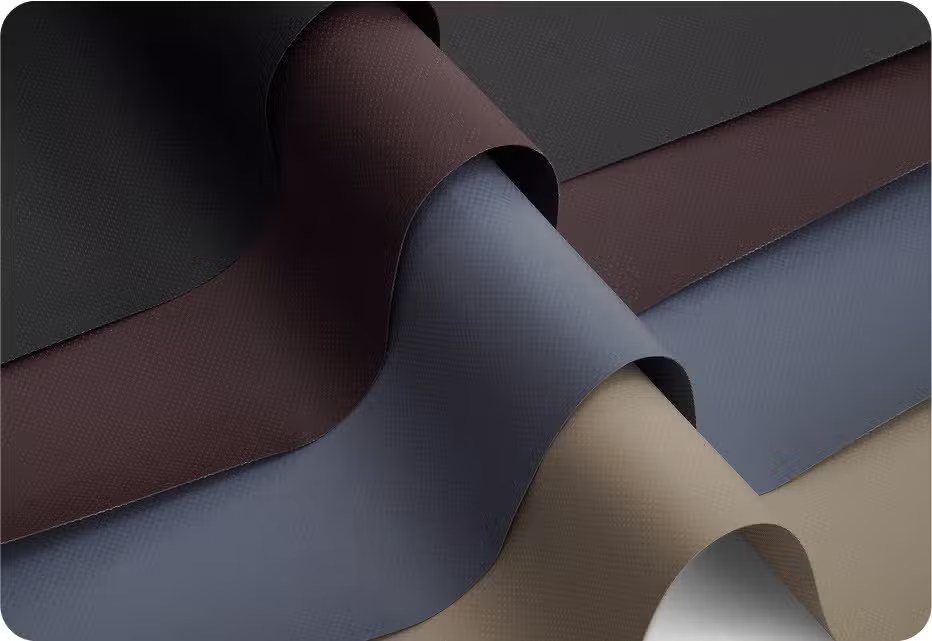
Review tear strength, flexibility, weight, UV resistance, water behavior, and cleaning guidance on Our Fabrics. Reinforce around hinge barrels, folded corners, wheels, and frame ends. Related outdoor furniture formats are available under Patio Furniture Covers.
Plan a Safe Removal Sequence
Add balanced handles and, if needed, an end opening so the cover clears the tall folded bundle without catching on locks. Remove straps and open closures completely before moving the furniture. Store the cover away from pinch points while the table is being deployed.
Anchor the Folded Set Without Tipping
Use stable lower frame members for straps and keep buckles clear of wheels and walkways. A narrow folded set can be more top-heavy than the open table, so follow the manufacturer’s stability guidance and move it to a sheltered location when high winds are expected.
Create a Folding-Hardware Production Brief
Send locked-position photos, folded envelope dimensions, hinge and latch locations, bench stack, handles, wheels, roof direction, opening preference, and anchor points. Review the Folding Picnic Table Bench Set Cover page before finalizing the order.
Frequently Asked Questions
Can one cover fit both open and folded positions?
A reliable fitted cover should be designed for one specified configuration. The two envelopes are usually too different.
Should the table be folded while the cover is on?
No. Remove the cover completely before operating hinges, braces, locks, or legs.
Can the covered bundle be moved by its handles?
Remove the cover first unless the manufacturer and cover design explicitly provide safe handle access.
Turn the Measurements Into a Production-Ready Cover
Folding furniture needs a configuration-first measurement process. Locking the hardware, measuring the real folded envelope, protecting hinge zones, guiding runoff away from panel gaps, and planning safe removal produces a cover that supports storage without interfering with operation. Use the product page and measurement resources above to organize a clear request for CoversForge.
Share This Article


