 Business


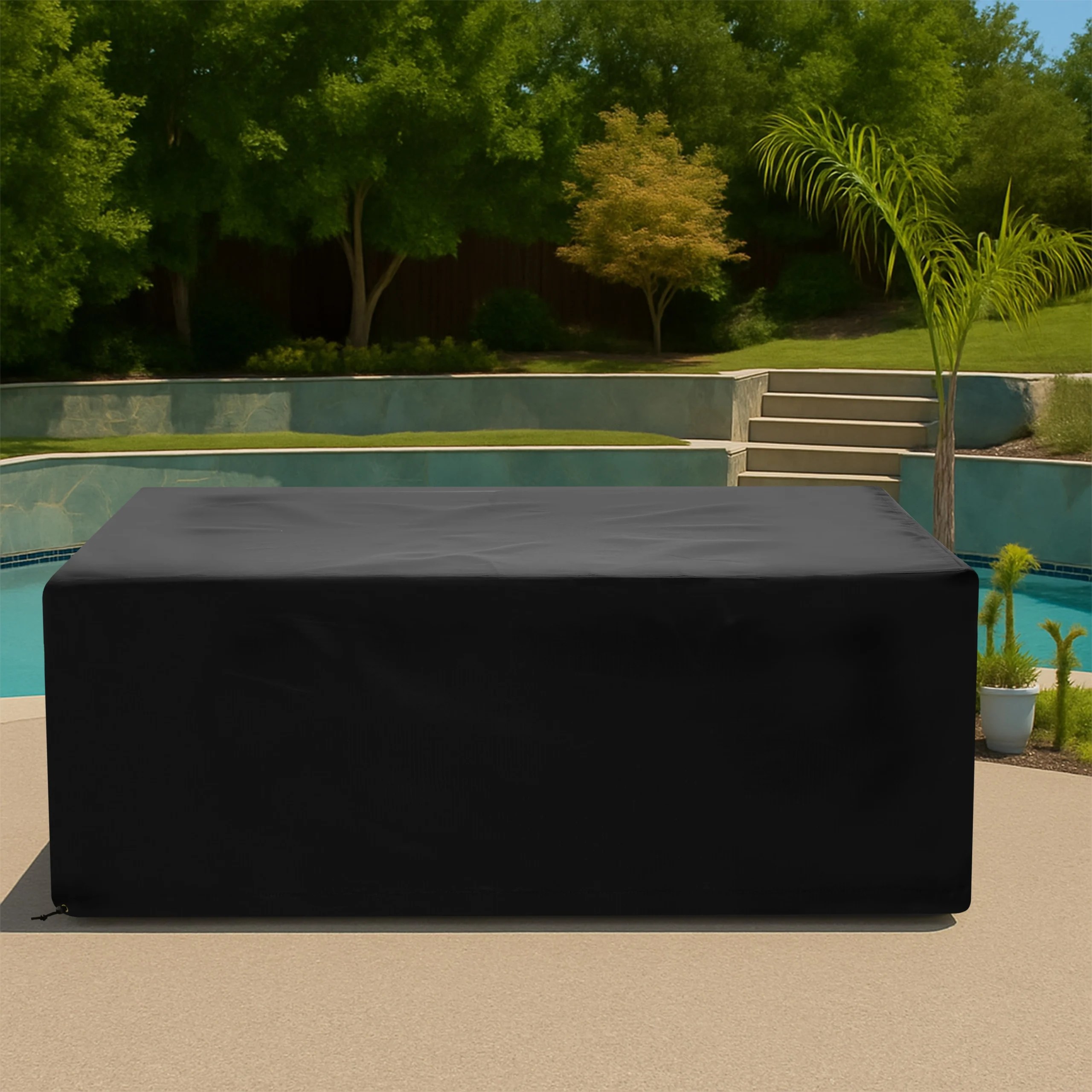




Kindling Holder Firewood Rack Covers: Fit Dual Bays, Tool Hooks, Feet, and Airflow

A firewood rack with a kindling holder stores two different [...]
A firewood rack with a kindling holder stores two different fuel sizes in one frame. Full logs create a wide, heavy bay, while split kindling sits in a narrower compartment that may project above or beside the main rack. A custom firewood rack with kindling holder cover should follow both volumes without crushing the divider or sealing damp wood into an unventilated pocket.
Measure the rack empty and in its normal storage position. Sweep away bark and sharp splinters, set aside loose tools, and photograph every side. Keep firewood and kindling well away from active flames, hot appliances, exhausts, and ignition sources. A weather cover supports storage; it does not make an unsafe fuel location acceptable.

Define the Two Storage Bays
Record which compartment holds full logs and which holds kindling. Measure the width, depth, and height of each bay separately, then capture the overall outside envelope. Note whether the divider is centered, offset, angled, or removable. A single rectangular estimate can miss the narrow bay’s top edge or create excess fabric beside it.
Measure the Frame Before the Fuel
Use How to Measure to record outside width, depth, height, top-rail spacing, post thickness, and foot spread. Measure rigid frame points rather than an irregular pile of wood. The cover should fit the rack’s structure while allowing the planned, repeatable fill height inside each bay.
Set Clear Fill Lines
Choose a maximum log height and a separate maximum kindling height before production. Wood stacked above the approved line can push into the roof panel, hold water, or make the cover difficult to remove. Mark the limits on photographs and keep bark, branch ends, and split faces below the reinforced interior surfaces.
Map Tool Hooks and Side Projections
Record poker, shovel, brush, or tongs hooks only if those tools remain with the rack. Measure the longest safe parked position and note sharp ends that need a smooth guard. Removable tools are usually better stored separately, reducing snag points and giving the cover a cleaner, more stable outline.
Choose the Right Roof Shape
A flat roof panel can sag between tall rails. Use the rack’s top frame, a gentle crown, or an approved support to guide runoff toward open edges. Keep the high point away from the narrow kindling bay if that would drive water into a seam or access flap.
Preserve Seasoning Airflow
Firewood should be dry before covering, and the lower edge should stay above soil, wet paving, or leaf buildup. Plan deliberate air movement at protected lower zones without exposing the stored fuel to direct rain. Do not wrap the rack like a sealed bag or use the cover to hide wet, moldy, or insect-damaged wood.
Select Abrasion-Ready Fabric
Compare fabric weight, flexibility, water behavior, UV resistance, and cleaning guidance on Our Fabrics. Browse Grill & Heating Covers for related outdoor protection. Add reinforcement where rails, split log ends, tool hooks, or divider corners can rub.
Plan Access Without Uncovering Everything
If kindling is retrieved more often than full logs, specify a separate flap or split opening that reaches only the narrow bay. Place closures where they remain visible and gloved hands can operate them. The access panel should close smoothly without resting on the ground or becoming a loose wind sail.
Anchor to the Frame, Not the Firewood
Use stable lower posts or approved crossbars for straps or buckles. Never loop an anchor around loose logs, kindling, tools, or nearby gas lines. Keep the hem clear of sharp feet and puddles, and inspect the rack itself for stability before relying on it to resist wind.
Prepare a Dual-Bay Production Brief
Send the frame envelope, individual bay dimensions, divider location, fill lines, top rails, feet, tool hooks, access preference, runoff direction, ventilation plan, fabric choice, and labeled photos. Review the Firewood Rack with Kindling Holder Cover page before approval.
Frequently Asked Questions
Should the rack be measured full of logs?
No. Measure the rigid rack first, then document repeatable maximum fill lines for logs and kindling.
Can wet firewood be covered to dry faster?
Do not seal wet wood under a cover. Let the fuel dry and preserve the airflow required for safe storage.
Should fireplace tools stay under the cover?
Only when their parked positions are stable, protected from snagging, and included in the measurements. Otherwise store them separately.
Turn the Measurements Into a Production-Ready Brief
A two-bay firewood rack needs more than one overall width and height. Separate fill lines, divider geometry, stable tool positions, a runoff plan, abrasion reinforcement, safe access, and protected airflow create a cover that serves daily fuel storage without concealing hazards. Request a Quote when the measurements and photographs are ready.
Share This Article

Written by : CoversForge
Follow Us
Latest Articles

September 27, 2026

September 27, 2026
