 Business





Gas and Charcoal Combo Grill Covers: Fit Dual Lids, Vents, Shelves, and Carts

A dual-fuel grill places a gas firebox and a charcoal [...]
A dual-fuel grill places a gas firebox and a charcoal chamber on one cart. The two sides may have different lid heights, chimney parts, vent handles, shelves, control panels, and cooling routines. A custom gas and charcoal combo grill cover should follow the complete cold-storage outline without blocking the features that must be checked before the next cook.
Turn off burners, close fuel supplies as instructed, extinguish charcoal completely, remove ash safely, and wait until every grate, lid, chimney, and firebox is cold. Never cover live coals, residual heat, a grease fire risk, or an unsafe gas connection. The grill manufacturer’s shutdown and storage instructions always take priority.

Identify the Exact Dual-Fuel Model
Record the manufacturer, model, fuel arrangement, cart version, and installed accessories. Photograph the front, back, both ends, and top with the grill fully cooled. State which side is gas and which is charcoal so controls, vents, chimney parts, and utility boundaries are not confused during production.
Measure Each Lid Profile
Follow How to Measure and record the width, depth, and closed height of the gas lid and charcoal lid separately. Note domed crowns, handles, thermometers, hinge housings, and unequal rear projections. Then capture the total outside width across both fireboxes.
Map Chimneys, Dampers, and Vents
Measure chimney height, cap width, damper handles, slide vents, and any raised warming-box outlet. Store removable stacks only as the manufacturer directs. Reinforcement should protect the fabric from cold metal edges without holding a damper in an operating position or hiding required inspection points.
Record Shelves and Side Burners
Measure fixed or folded side shelves, burner lids, utensil hooks, towel bars, bottle openers, and handles. Use one repeatable parked position. Remove loose tools and accessories so they do not create unpredictable bulges, sharp points, or trapped grease against the cover.
Include Controls and Fuel Boundaries
Map knobs, igniters, regulators, hoses, cylinders, charcoal doors, ash drawers, and cleanout handles. Follow all gas and charcoal storage rules. Do not use the cover to conceal a leak, hot ash, greasy buildup, damaged hose, or any component that requires ventilation and access.
Measure the Shared Cart
Record cart width and depth, cabinet doors, lower shelves, crossbars, grease trays, wheel diameter, caster swivels, and brake projections. The hem should stay above paving and clear of wheels. If the cart flexes or rolls, stabilize it independently before using cover straps.
Shape the Top for Unequal Heights
The charcoal chimney or one lid may stand higher than the other. Plan a stepped or sloped roof that sheds water without creating a valley over the center joint. Avoid a tight ridge that transfers wind load to thermometer stems, chimney caps, or lid handles.
Choose Grill-Ready Outdoor Fabric
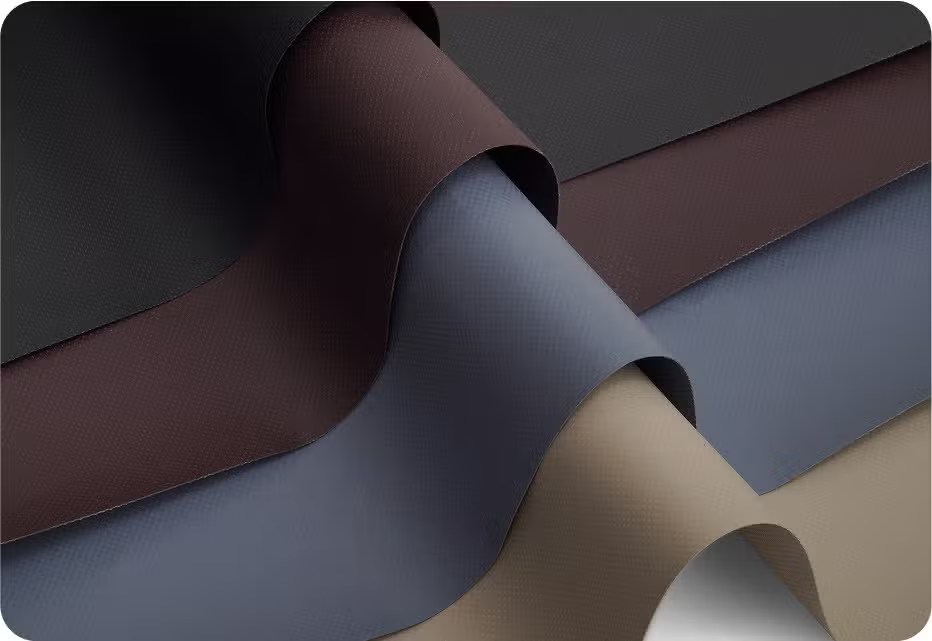
Compare weather resistance, UV performance, cleaning guidance, weight, and flexibility on Our Fabrics. Explore Grill & Heating Covers. The cover is used only after complete cooling; fabric selection never removes the need for shutdown, ash disposal, grease cleaning, or fuel safety.
Plan Installation and Wind Security
Install from the taller cold feature downward, guide panels over both lids, align the control side, and secure stable lower cart points. Keep straps away from hoses, cylinders, vents, hot zones, ash doors, and caster swivels. Confirm the grill is cool, dry, and off before every installation.
Create the Dual-Fuel Measurement Packet
Send the model, fuel layout, separate lid profiles, chimneys, dampers, shelves, controls, utilities, ash system, shared cart, wheels, roof slope, hem, safe anchors, fabric, exposure, and labeled photos. Review the Gas & Charcoal Combo Grill Cover page before production.
Frequently Asked Questions
How long should the grill cool before covering?
Follow the grill manufacturer’s full shutdown and cooling instructions and confirm all gas and charcoal components are safely cold.
Can the propane cylinder stay beneath the cover?
Follow the grill, cylinder, regulator, and local storage requirements. Never block required ventilation or access.
Should the side shelves be measured open or folded?
Choose one approved storage position and use it consistently. Record all latches, handles, and burner parts in that position.
Turn the Measurements Into a Production-Ready Brief
A combo grill needs two appliance profiles recorded as one cold-storage system. Separate lids, chimney and vent hardware, shelves, controls, fuel boundaries, ash handling, cart geometry, drainage, and safe anchors define a cover that protects without obscuring the shutdown routine. Request a Quote when the measurements and photographs are ready.
Share This Article

Written by : CoversForge
Follow Us
Latest Articles

September 26, 2026

September 26, 2026
