 Business





Club Chair and Ottoman Covers: Decide Between One Envelope and Two Separate Pieces

A deep club chair and matching ottoman can be protected [...]
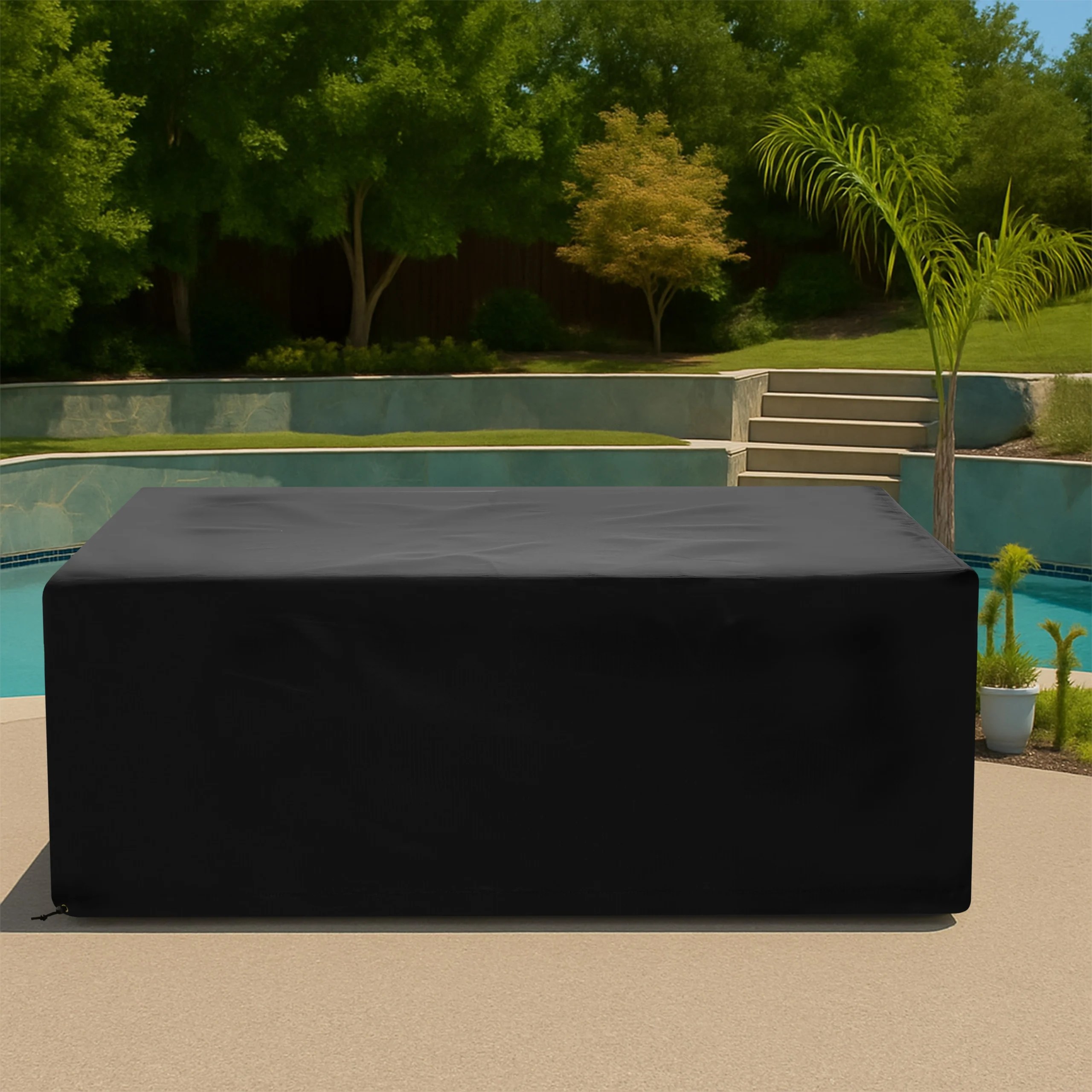
A deep club chair and matching ottoman can be protected as two independent pieces or parked together beneath one larger envelope. Each method changes wind behavior, drainage, daily handling, and the measurements required. A custom patio club chair with ottoman cover should start with a clear storage decision instead of treating the footstool as an afterthought.
Clean and dry the frames and cushions, then place both pieces exactly where they will be stored. Keep enough room for safe walking and drainage. Do not use the covered chair or leave the ottoman loosely positioned where it can roll, slide, or push against the fabric in wind.

Choose One Cover or Two
Two covers preserve independent access and usually follow each piece more closely. One shared cover can simplify storage but requires a stable, repeatable arrangement and a supported bridge between the chair and ottoman. Compare handling, wind exposure, frequency of use, and the risk of water collecting in the gap.
Set the Ottoman Parking Position
For a shared cover, center the ottoman, square it to the chair, and record the exact gap from the seat front. State whether it touches the chair or remains separated. Mark the wheel, glide, or foot positions so the same footprint can be recreated after every use.
Measure the Club Chair
Use How to Measure to record maximum arm width, back height, total depth, seat-front height, cushion projection, and outside foot spread. Capture curved arms, rolled backs, piping, and side pockets. Measure the rigid frame and document removable cushion choices separately.
Measure the Ottoman Independently
Record ottoman length, width, height, corner radius, cushion crown, base, and feet. Check whether the cushion overhangs the frame. If the ottoman doubles as a table or storage box, include lid seams and handles, but define one closed storage configuration for the cover.
Support the Bridge in a Shared Layout
A one-piece cover can sag between the chair seat and ottoman. Plan a broad, stable slope that sheds water without pressing into soft cushions or creating a narrow tent pole. Any support must be safe, removable, and obvious before the furniture returns to use.
Decide Where Cushions Will Live
State whether seat, back, and ottoman cushions remain installed. Dry them completely and follow their storage instructions. Removing cushions reduces volume but can create deep wells that collect water; keeping them in place requires suitable fabric, ventilation, and realistic expectations for prolonged wet seasons.
Select Fabric for Daily Handling
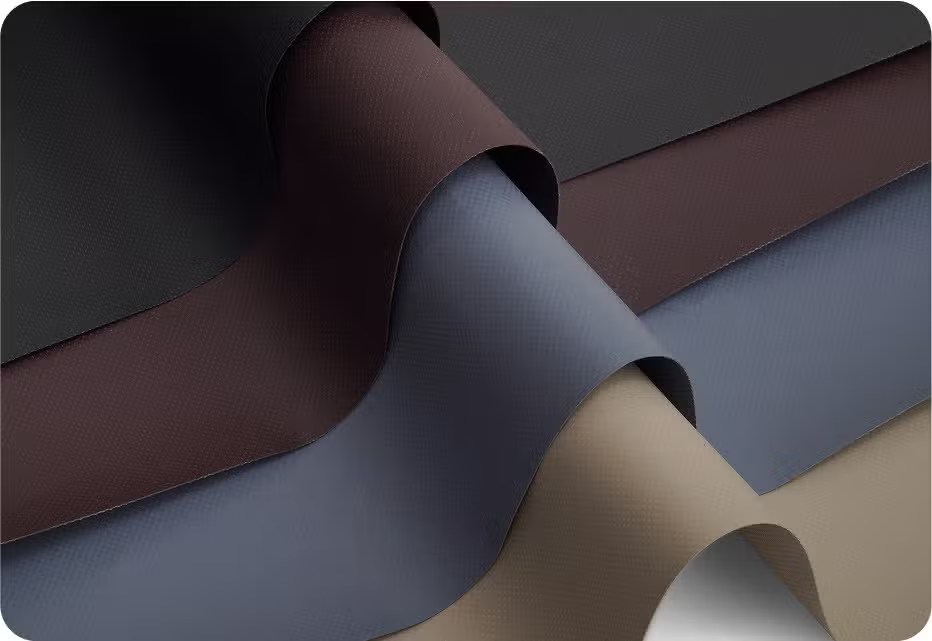
Compare UV resistance, water behavior, flexibility, weight, and interior finish on Our Fabrics. Browse Patio Furniture Covers. Separate covers are often easier for one person, while a shared cover may need lighter handling or divided openings around the chair back.
Create Distinct Drainage Paths
For two covers, crown each piece independently and keep both hems above wet ground. For one cover, direct water away from the chair-to-ottoman gap and prevent a low basin over the seat. Make sure runoff does not flow toward doors, cushions, planters, or a neighboring cover.
Anchor Each Moving Piece Safely
Lock casters or glides where provided and secure the furniture itself when wind exposure requires it. Attach cover straps only to stable frame points. A one-piece cover should not be expected to hold two lightweight pieces together, and two covers should not be linked with loose cords across a walkway.
Send the Selected Configuration
Provide the one- or two-cover decision, chair dimensions, ottoman dimensions, parking gap, cushion plan, bridge support, drainage direction, feet, movement controls, hem, anchors, fabric, exposure, and labeled photos. Review the Custom Patio Club Chair with Ottoman Cover page before approval.
Frequently Asked Questions
Is one large cover always cheaper or easier?
Not necessarily. Size, complexity, handling, support, and access all matter. Compare both layouts for the actual storage routine.
Can the ottoman be pushed under the chair?
Only if the furniture is designed for that parked position and it can be repeated without damaging cushions, frames, or mechanisms.
Should cushions remain on the furniture?
Follow the cushion maker’s guidance and the site’s weather conditions. Whichever choice you make must be reflected in the final measurements.
Turn the Measurements Into a Production-Ready Brief
The key design decision is whether the chair and ottoman remain separate or become one stable covered group. A fixed parking position, independent measurements, a cushion plan, supported runoff, manageable handling, and safe anchors make either approach repeatable. Request a Quote when the measurements and photographs are ready.
Share This Article

Written by : CoversForge
Follow Us
Latest Articles

September 26, 2026

September 26, 2026
