 Business


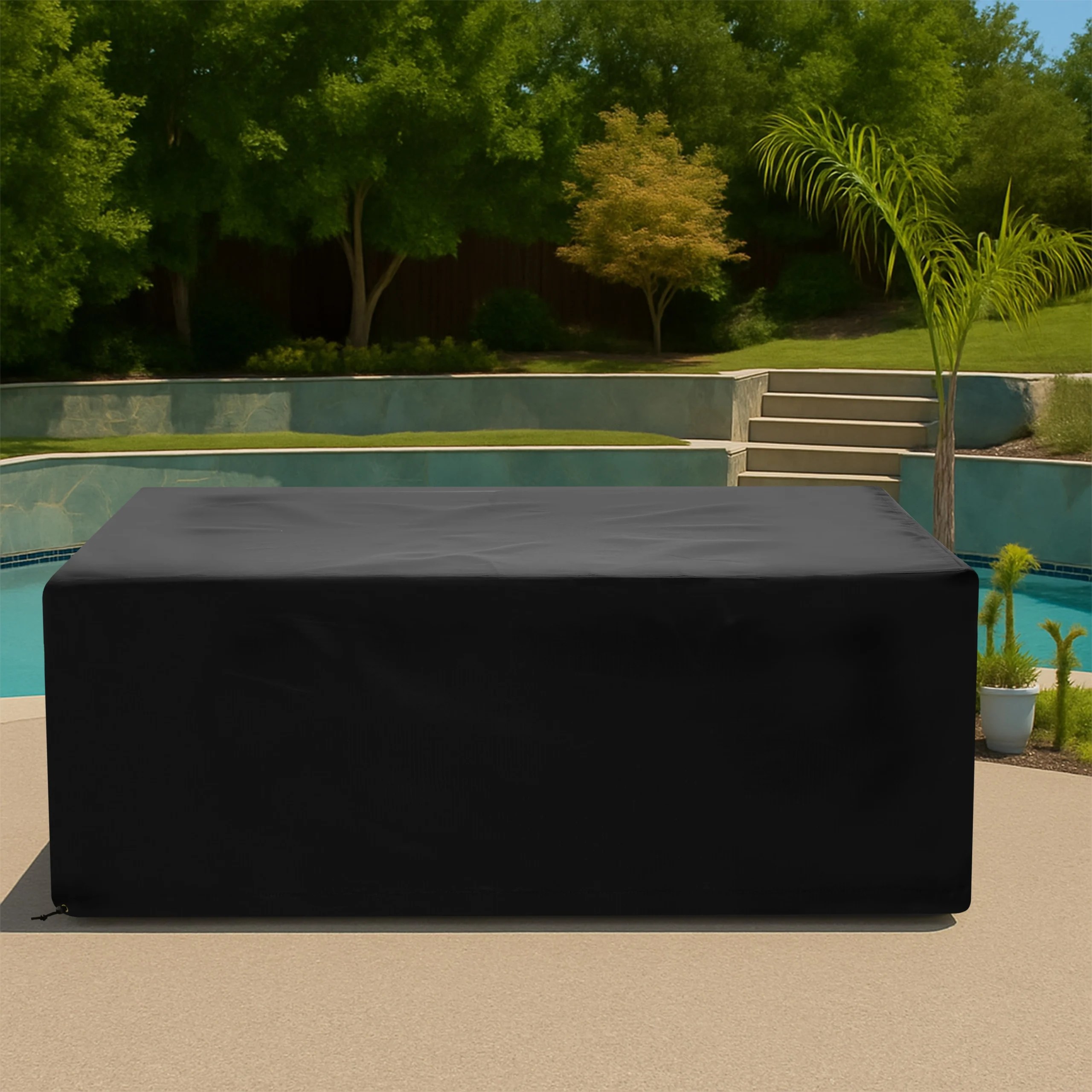




Kids’ Outdoor Picnic Table Covers: Measure Tabletops, Attached Benches, and Feet

A child-size picnic table may look simple, but attached benches [...]
A child-size picnic table may look simple, but attached benches extend beyond the top, braces angle toward the ground, molded corners can be rounded, and lightweight frames move easily in wind. A custom kids outdoor picnic table cover needs the full table-and-bench footprint plus a secure hem that adults can manage safely.
Clean and dry the table before measuring. Move it away from play equipment, grills, fire pits, pools, and traffic routes. The cover is for storage protection only. Children should not play with, crawl under, or install the cover, and straps must be kept inaccessible during use and storage.

Confirm the Table’s Storage Position
Choose a level location and decide whether the table remains assembled year-round. Lock folding parts according to the manufacturer. Remove umbrellas, toys, dishes, and loose accessories. Photograph the front and one side so the same orientation can be used whenever the cover is installed.
Measure the Tabletop Accurately
Use How to Measure to record top length, width, thickness, height, corner radius, edge bevel, and any raised center plug. Measure across the widest molded lip or cap, not just the usable eating surface. Note if the top bows or slopes.
Capture Both Attached Benches
Measure each bench length, width, height, thickness, outside projection, and spacing from the tabletop. Record whether the seat ends are square, rounded, or flared. Do not assume the two benches are centered equally after assembly or exposure on uneven ground.
Map Legs, Braces, and Crossbars
Record the outside foot spread at ground level, leg angle, brace positions, and any bolt heads or plastic caps. The widest point may occur below the benches. Mark sharp hardware for padding and keep the cover loose enough that it does not lever against a lightweight frame.
Set a Safe Hem Height
Finish the hem above grass, soil, standing water, and sprinkler spray. Allow enough clearance for airflow and easy inspection, but cover exposed wood or plastic where practical. A low cover should not create loops or loose cords that a child could reach when the table is stored.
Shape the Top for Runoff
Use the tabletop as a stable high plane and guide rain toward clear edges. Avoid valleys between the top and benches where water can sit. If the top is flat, discuss a safe support strategy that cannot be mistaken for a seat or remain hidden when the table returns to use.
Select Family-Use Fabric and Closures
Compare fabric weight, UV resistance, water behavior, flexibility, and cleaning guidance on Our Fabrics. Browse Patio Furniture Covers. Choose closures that adults can secure firmly and store out of reach when the cover is removed.
Plan Wind Security Without Trip Hazards
Anchor to stable table legs or approved frame points, not to a fence, toy, or nearby furniture. Keep buckles and strap tails inside the storage footprint. If the table is too light for the site’s wind exposure, secure the table itself independently according to manufacturer guidance.
Create an Adult Installation Routine
Place the cover over the tabletop first, align bench panels, lower the sides evenly, and secure the hem. An adult should check that the table is dry, straps are tight, and no opening invites play. Store the removed cover clean, dry, folded, and inaccessible to children.
Prepare the Final Measurement Packet
Send the assembled storage position, top dimensions, bench geometry, leg and brace layout, ground footprint, hem height, runoff direction, safe closure locations, material, exposure, and labeled photos. Review the Kids Outdoor Picnic Table Cover page before approval.
Frequently Asked Questions
Can children help install the cover?
No. An adult should install, remove, inspect, and store the cover and all straps or buckles.
Should an umbrella stay in the table?
Remove it unless the table and cover are specifically designed for a closed umbrella. Never cover an open umbrella.
Can the cover touch wet grass?
Keep the hem above wet ground and let the table dry first. Ground contact encourages dirt transfer, abrasion, and trapped moisture.
Turn the Measurements Into a Production-Ready Brief
A small picnic table still requires a complete geometric record. The tabletop, two bench projections, leg spread, braces, safe hem, runoff, adult-operated closures, and wind plan produce a cover that fits the furniture and respects a family play environment. Request a Quote when the measurements and photographs are ready.
Share This Article

Written by : CoversForge
Follow Us
Latest Articles

September 27, 2026

September 27, 2026
