 Business


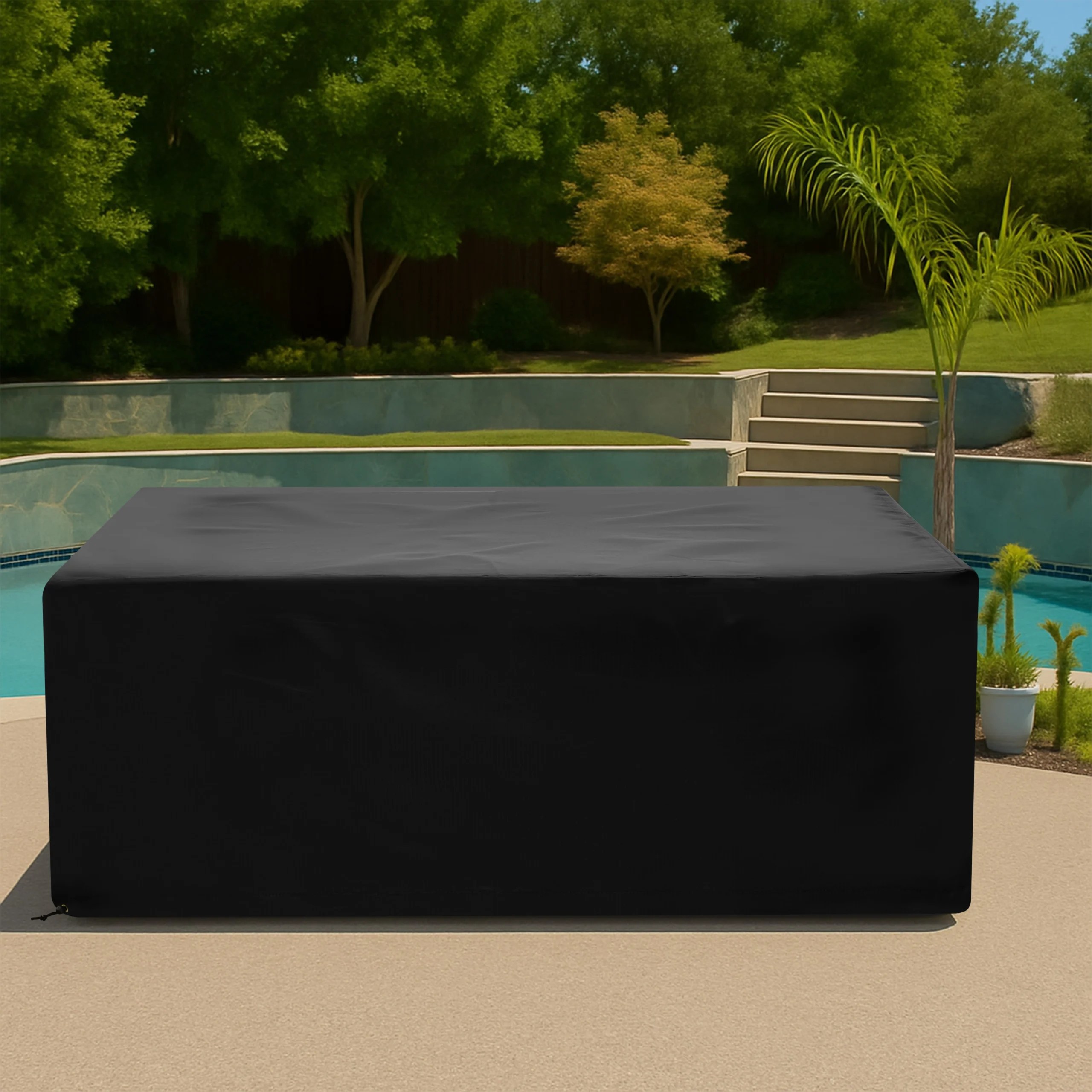




Patio Recycling Cabinet Covers: Fit Lids, Doors, Bins, Handles, and Casters

A patio recycling cabinet may contain several bins behind one [...]
A patio recycling cabinet may contain several bins behind one outer shell, with top lids, front doors, sorting chutes, handles, shelves, and casters. A custom patio recycling storage cabinet cover works best when the cabinet is emptied, cleaned, dried, and measured in a repeatable closed configuration.
Remove recyclables and liners before measuring. Wash residue according to the cabinet instructions and allow every compartment to dry. The cover protects the clean storage unit between uses; it should not seal odors, food waste, pests, or damp containers inside.

Set the Empty Closed Configuration
Close every lid, flap, drawer, and door. Retract approved pull-out bins and fold handles only if that is the normal storage state. Lock casters and photograph the front, rear, sides, and top. Label the sorting stations so projections can be matched to the correct face.
Measure the Main Cabinet Envelope
Use How to Measure to capture maximum height, width, and depth at the top, body, and base. Repeat widths at door handles and wheel guards. Check both diagonals when the cabinet has rolled across uneven paving or is not perfectly square.
Record Top Lids and Sorting Openings
Measure lid length, depth, thickness, hinge line, handles, raised labels, and sloped rain caps. Map bottle, can, paper, or mixed-recycling chutes that interrupt the top or front. The cover should follow the closed profile without pressing a spring-loaded flap open.
Map Doors, Drawers, and Pull-Out Bins
Document each front panel, hinge, latch, knob, pedal, and pull-out rail. Measure protruding handles in the closed position. State whether internal bins remain inside. A full cover normally comes off before access, emptying, or cleaning.
Include Shelves, Backsplashes, and Side Stations
Record side shelves, tray ledges, signage frames, backsplash panels, bag dispensers, ash receptacles, and cleaning-tool holders. Remove loose accessories where practical. Note sharp brackets or corners that need reinforcement instead of relying on excess fabric.
Measure Feet, Casters, and Lower Clearances
Capture the widest wheel stance, caster diameter, brakes, leveling feet, bumpers, and tow handles. Choose a hem plane above puddles, cleaning water, and abrasive deck surfaces. Secure closures to stable cabinet structure rather than pedals or wheel locks.
Plan Ventilation, Drainage, and Hygiene
Identify factory vents, drain holes, wash-down paths, and areas where moisture can collect. Do not block required ventilation or cover a cabinet before it is dry. Establish a routine for removing the cover, inspecting for pests, and cleaning both cabinet and fabric.
Choose Fabric for Repeated Service
Compare cleanability, abrasion resistance, UV exposure, water behavior, and finished weight on Our Fabrics. Browse Custom Covers. For hospitality quantities, coordinate specifications through Business Inquiries.
Create a Clear Open-and-Close Routine
Empty and clean the station, allow it to dry, close all panels, lock casters, and align the cover with a front label. Guide it over top hardware without catching a flap. Remove the cover fully before guests or staff use any opening.
Build the Recycling-Cabinet Brief
Send the empty configuration, dimension stations, lids, openings, doors, internal-bin decision, handles, side accessories, base, casters, vents, drains, closures, exposure, and labeled photos. Review the Custom Patio Recycling Storage Cabinet Cover page before ordering.
Frequently Asked Questions
Can recyclables stay inside while the cabinet is covered?
Empty, clean, and dry the cabinet first. Do not use the cover to seal residue, odor, pests, or damp containers inside.
Should I measure with the doors open?
No. Measure the repeatable closed storage state, while documenting handle and hinge projections.
Can staff open a sorting flap through the cover?
Plan on removing the cover fully before use unless the final product is specifically designed with an approved access opening.
Turn the Measurements Into a Production-Ready Brief
A recycling cabinet becomes straightforward to cover once the hygiene and close-down routine is fixed. Closed lids, doors, sorting openings, accessories, casters, ventilation, and drainage then define a clear pattern for a clean storage station rather than an active waste enclosure. Request a Quote when the measurements and photographs are ready.
Share This Article


