 Business





Octagonal Prism Outdoor Covers: Measure Eight Faces, Top Rings, Height, and Base

An octagonal prism looks regular from a distance, yet small [...]
An octagonal prism looks regular from a distance, yet small differences among eight faces can shift every seam and corner. A custom octagonal prism outdoor cover needs more than one width and one height: the brief must define the full perimeter, the top ring, the base, and anything that interrupts the vertical planes.
Measure the object in its normal safe storage configuration on a level reference surface. Label every face before recording dimensions, photograph the labels, and never climb on an unstable enclosure or work near energized, hot, or operating equipment.

Label All Eight Faces Before Measuring
Choose a clear front face and label the remaining faces clockwise A through H. Mark the eight vertical corners and repeat those labels on a plan sketch. This simple sequence prevents a dimension from being assigned to the wrong panel when the object is not perfectly regular.
Record Each Face Width at Multiple Heights
Use How to Measure to take every face width near the base, at mid-height, and below the top. Do not multiply one side by eight. Taper, trim, access doors, or installation tolerances can make opposite faces different even when the shape appears symmetrical.
Check Across-Flats and Across-Corners Dimensions
Measure between opposite faces and then between opposite corners at the base and top. These cross-checks reveal skew, rotation, or an octagon that has been stretched in one direction. Add both diagonals on the plan so the production team can reconcile the eight side measurements.
Establish True Vertical Height
Measure vertically from the intended hem plane to the highest rigid point. Repeat at several corners if the floor slopes or the object sits on a curb. Keep the hem clear of standing water, soil, and abrasive paving instead of simply following the lowest corner.
Map the Top Ring, Cap, and Slope
Record top face widths, across-flat dimensions, corner radii, cap height, and any slope toward a drain or crown. If the upper octagon is offset from the base, measure that offset in two directions. The cover must transition between the two rings without twisting.
Document Doors, Vents, and Projections
Photograph handles, hinges, louvers, gauges, pipes, cables, brackets, labels, and removable accessories on their labeled faces. State which parts remain installed. Required equipment ventilation and service clearances must never be sealed merely to simplify the cover pattern.
Plan Seams Around Eight Corners
Eight vertical seams can define the form cleanly when the measurements are consistent. Identify sharp edges that need reinforcement or protective padding and note rounded or chamfered corners. Avoid asking fabric tension to bridge an unsupported recess or hold a loose panel in place.
Choose Fabric and Closure Details
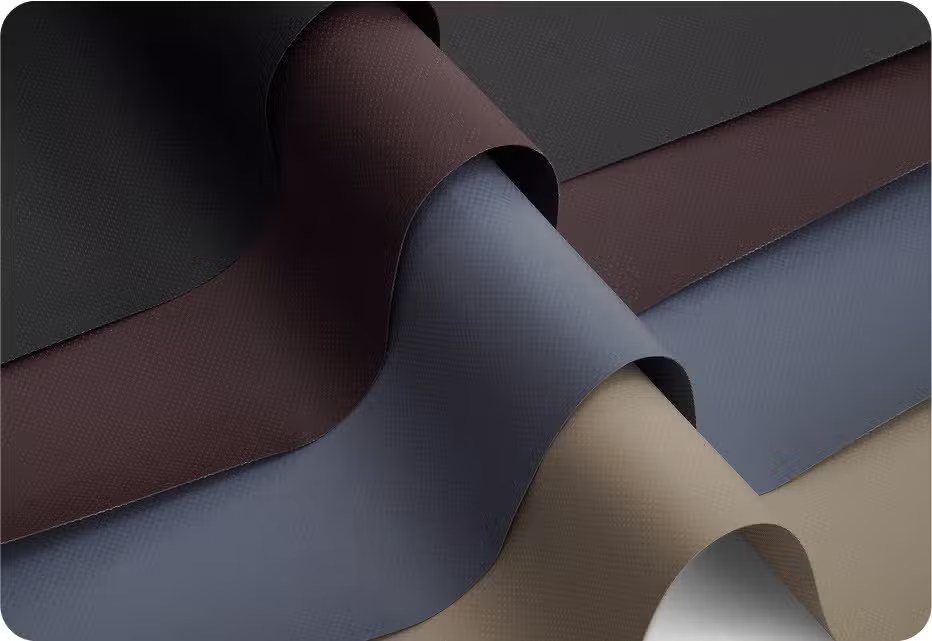
Compare UV resistance, water behavior, flexibility, tear strength, seam construction, and finished weight on Our Fabrics. Browse Custom Covers. Select lower straps or drawcord locations only where the base provides stable, approved attachment points.
Create a Repeatable Installation Routine
Add a front orientation mark and lower the cover over the top ring without dragging it across sharp corners. Work opposite sides evenly so the eight panels remain aligned. For a tall object, use the owner-approved access method and enough people to control the fabric safely.
Prepare the Octagonal-Prism Brief
Send the labeled face table, across-flat and across-corner checks, vertical heights, top and base rings, offsets, cap, projections, vents, hem plane, anchor points, exposure, and photos. Review the Octagonal Prism Outdoor Custom Covers page before production.
Frequently Asked Questions
Can I measure one side and multiply by eight?
No. Record all eight faces and verify the shape with across-flat and across-corner dimensions.
What if the top octagon is smaller than the base?
Measure both rings, the true height, and the horizontal offset so every transition panel can be interpreted.
Should the cover block equipment vents?
No. Identify ventilation and service requirements and follow the equipment manufacturer’s storage instructions.
Turn the Measurements Into a Production-Ready Brief
A reliable octagonal-prism pattern comes from a numbered perimeter, two verified rings, and a true vertical reference. Those checks turn an apparently simple eight-sided form into a precise production brief while preserving access, ventilation, drainage, and safe attachment requirements. Request a Quote when the measurements and photographs are ready.
Share This Article


