 Business





Pyramid Outdoor Covers: Measure Base Sides, Apex Offset, Slopes, and Anchors

A pyramid-shaped object is defined by more than base width [...]
A pyramid-shaped object is defined by more than base width and overall height. The apex may be off center, the base can be rectangular rather than square, slope lengths may differ, and lower brackets or vents can extend beyond the panels. A custom pyramid outdoor cover needs a labeled geometric survey tied to the object’s real orientation.
Stabilize the object, switch off and cool any powered or heated equipment, and use safe access methods. Do not climb on a decorative cap or lean a ladder against sloped panels. A textile cover is environmental protection for an idle, secure object; it is not a structural brace, lifting device, fire barrier, or substitute for required ventilation.

Identify the Pyramid Type
Record whether the base is square, rectangular, truncated, stepped, or irregular and whether there is one apex or a flat cap. Label the four base sides north, east, south, and west or front, right, rear, and left. Photograph each face without changing the object’s setup.
Measure Every Base Side and Diagonal
Follow How to Measure to record all base sides plus both diagonals. Repeat the dimensions above any plinth, feet, or projecting trim. Equal side labels do not guarantee a square base; diagonal differences can reveal skew that affects panel seams and the apex location.
Establish True Vertical Height
Measure from the intended hem plane to the apex or top cap using a safe vertical reference. Do not measure only along a slope and call it height. Record ground variation at each corner and define which level controls the hem so the cover stays clear of wet paving or soil.
Locate an Offset Apex
Project the apex position down to the base plane and measure its offset from two labeled sides. If the top is truncated, record the cap’s length, width, diagonals, height, and orientation. An offset apex creates unequal triangular faces and must be shown explicitly rather than averaged.
Measure All Slope Lengths
Measure from each base corner and side midpoint to the apex or corresponding cap corner when safe access permits. Compare the front, rear, left, and right values. Slope measurements help verify the vertical survey and show where seams will carry tension across an asymmetric frame.
Map Caps, Fins, Vents, and Openings
Document decorative finials, handles, vents, louvers, access doors, cables, pipes, and lighting components. State which projections stay installed. Required ventilation and service access must not be sealed merely to simplify the pattern, especially on electrical, gas, or heat-producing equipment.
Record the Lower Edge and Anchors
Measure plinths, feet, brackets, anchor bolts, tie points, and any recessed base. Mark stable attachment zones and restricted areas. Cover closures cannot replace the object’s engineered anchoring, and straps must not cross sharp corners, hot components, drains, or operable doors.
Select Fabric for Long Sloping Faces
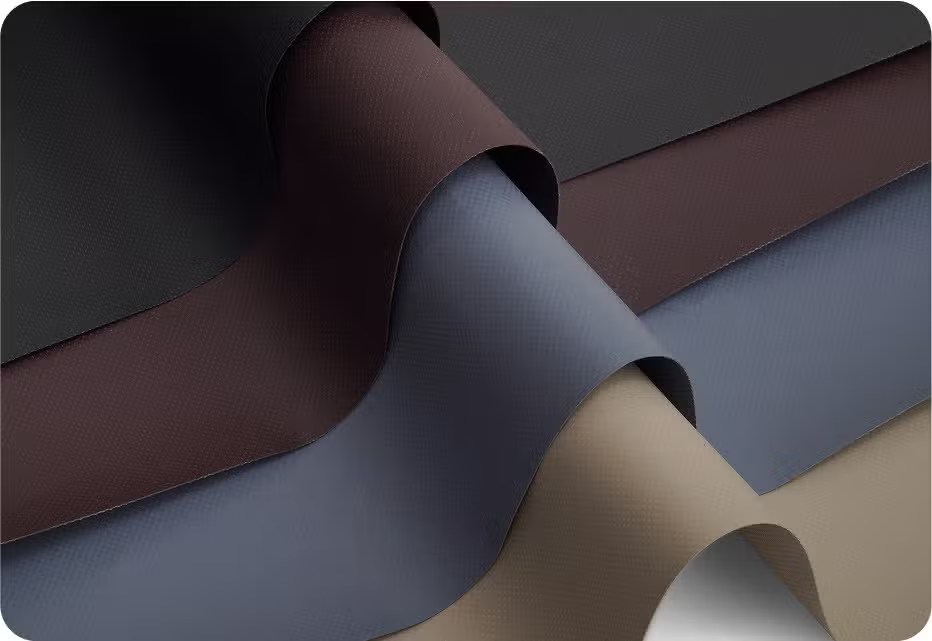
Compare UV performance, water behavior, tear strength, seam suitability, flexibility, and finished weight on Our Fabrics. Browse Custom Covers and related Equipment Covers. Long slopes benefit from balanced fabric weight and deliberate seam placement.
Plan Installation From Apex to Base
Mark the front face and guide the cover over the top without pulling against a finial or sharp cap. For tall objects, use the manufacturer-approved access method and enough people to control the fabric. Secure the base evenly, then inspect the faces after wind so tension is not concentrated at one corner.
Prepare the Pyramid-Cover Brief
Send the labeled base, diagonals, vertical height, apex offset, slope lengths, cap or finial, openings, lower hardware, anchors, exposure, installation route, and photographs. Review the Pyramid Outdoor Custom Covers page before requesting production.
Frequently Asked Questions
Can I provide only base width and height?
No. Supply all sides, diagonals, apex or cap location, slope checks, and projecting hardware for a reliable brief.
What if the apex is not centered?
Measure its offset from two labeled sides and record the resulting face and slope differences rather than averaging them.
Can the cover replace the object’s anchors?
No. Maintain the engineered anchoring system and use cover closures only at approved, stable attachment zones.
Turn the Measurements Into a Production-Ready Brief
A pyramid cover succeeds when its four faces are tied to a verified base and a precisely located top. Side labels, diagonals, vertical height, slope checks, openings, and anchors let CoversForge interpret the true form instead of assuming a perfect centered square pyramid. Request a Quote when the measurements and photographs are ready.
Share This Article

Written by : CoversForge
Follow Us
Latest Articles

September 22, 2026

September 22, 2026
