 Business


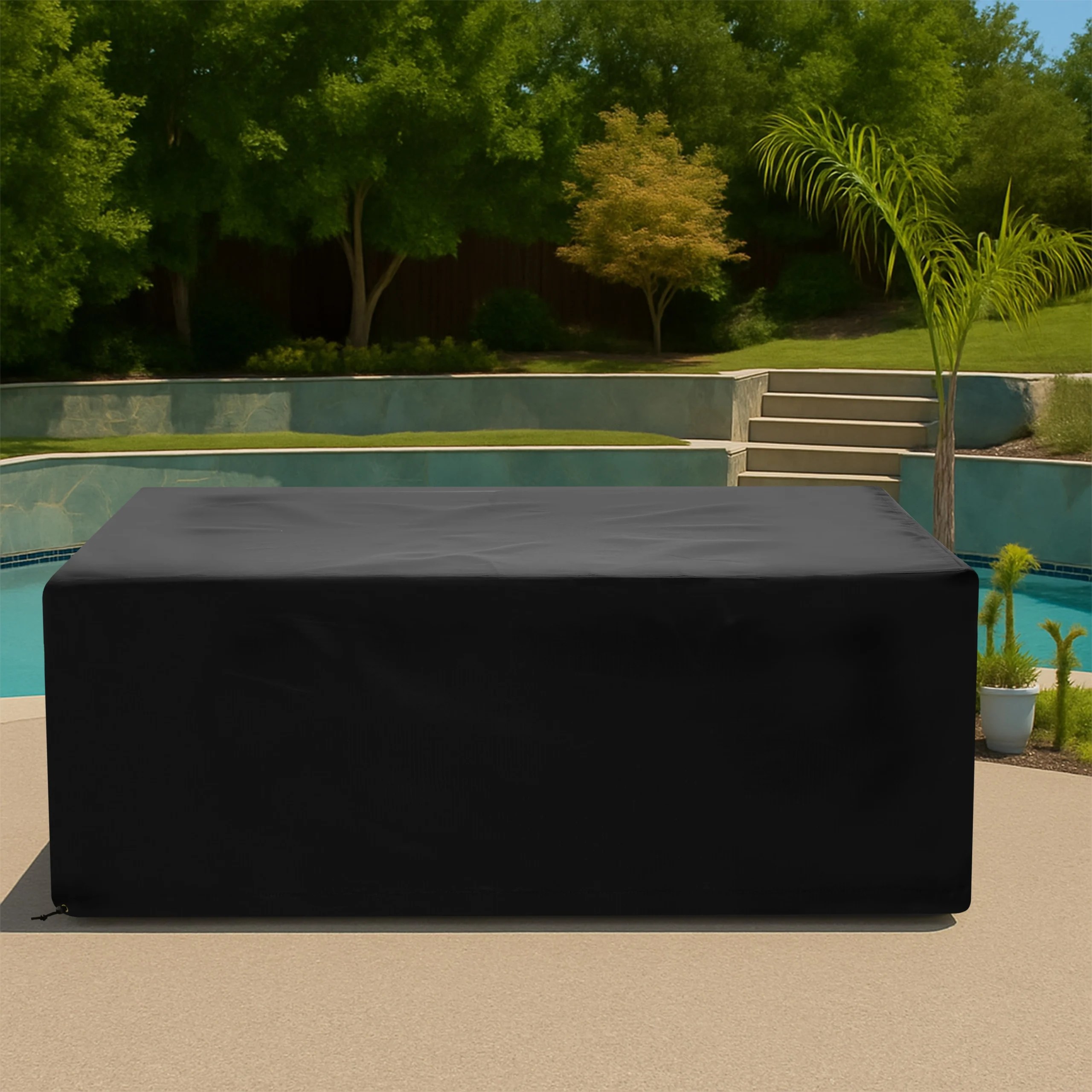



Outdoor Boat Motor Covers: Measure Cowlings, Shafts, Props, and Tilt Positions

An outboard motor is not a simple rectangle. The cowling [...]
An outboard motor is not a simple rectangle. The cowling is rounded, the mounting bracket projects toward the transom, the shaft narrows below the powerhead, and the propeller or skeg may change the lowest point. A custom outdoor boat motor cover should be planned around one approved storage position with every hard projection clearly identified.
Let the engine cool completely, disconnect power or fuel only as the manufacturer directs, and clean away salt, mud, and plant debris before measuring. Stabilize the boat on an approved trailer or berth and keep clear of the propeller. A cover is for storage protection; it is never suitable while the engine is running or the boat is underway.

Confirm the Motor and Storage Position
Record the manufacturer, model, horsepower, shaft length, steering type, transom arrangement, and whether the motor is stored vertical or tilted. Use only a position approved for storage and drainage. Photograph the motor from the rear, both sides, and above so the measurement set always refers to the same orientation.
Measure the Cowling Envelope
Follow How to Measure and record the maximum cowling width, front-to-back depth, and height. Measure at several levels because the widest band may not be centered. Note handles, latches, badges, vents, and raised contours without compressing flexible trim or relying on a catalog horsepower class.
Profile the Shaft, Skeg, and Propeller
Measure from the cowling reference line to the anti-ventilation plate, propeller hub, blade tips, and skeg. Record the propeller diameter and its rotation position if the lower unit remains covered. Use a propeller guard when required and never pull fabric across a sharp blade edge or damaged metal.
Map the Tilt and Steering Hardware
Document the tilt cylinder, steering arm, tie bar, hydraulic hoses, cables, and the points where they leave the motor. Measure the bracket projection and transom clearance in the stored position. The cover must not press a hose into a tight bend, operate a trim switch, or conceal a leak that needs service.
Decide the Coverage Boundary
State whether the cover ends below the cowling, includes the midsection, or extends over the lower unit. Identify any separate propeller or control-box cover. A precise lower boundary prevents an oversized bag that flaps around the trailer while keeping service labels, drains, and tie-down points accessible when they must remain visible.
Protect Vents and Drainage Paths
Locate intake openings, exhaust outlets, drain holes, telltales, and cavities where water can collect. Follow the engine maker’s storage guidance for ventilation and flushing. Never seal a wet or warm engine in fabric, and do not position a hem so runoff returns into the cowling or transom well.
Plan Closures Away From Controls
Choose a zipper, buckle, elastic hem, or drawcord route that avoids propeller edges, fuel connectors, electrical sockets, trim switches, and moving steering joints. Mark safe attachment zones on the photographs. Closures should secure the textile cover without acting as a substitute for the motor’s transport support or locking system.
Select Fabric for Marine Exposure
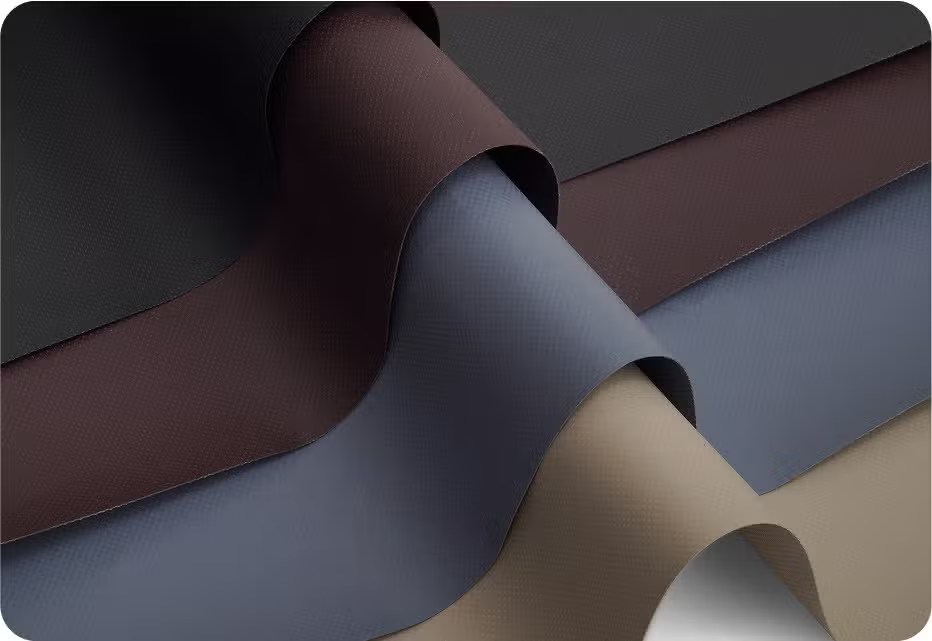
Compare UV stability, water behavior, salt tolerance, abrasion resistance, flexibility, and cleaning instructions on Our Fabrics. Browse Vehicle Covers and Custom Covers. A manageable finished weight helps one person lift the cover clear of delicate controls.
Create a Safe Installation Routine
Fit the cover only after the engine is cool, dry, and shut down. Start at the cowling, guide the fabric around the shaft, and secure the lower edge without rotating the propeller. Inspect after wind, trailering preparation, or salt exposure, and remove the cover completely before pre-start checks or operation.
Build the Boat-Motor Brief
Send model information, stored-position photos, cowling dimensions, shaft and propeller profile, bracket projection, steering hardware, vents, drainage points, coverage boundary, closure plan, and exposure details. Review the Outdoor Boat Motor Covers page before production approval.
Frequently Asked Questions
Should I measure the motor tilted or vertical?
Measure the exact manufacturer-approved position used during covered storage. Do not combine measurements from two positions.
Can the propeller remain under the cover?
It can be included only when its diameter, blade position, sharp edges, and safe installation path are documented.
Can the motor run while covered?
No. Remove the cover completely and complete the manufacturer’s inspection and startup procedure before operation.
Turn the Measurements Into a Production-Ready Brief
A dependable motor-cover brief separates the cowling, shaft, propeller, bracket, steering system, and service openings instead of treating the engine as one tapered box. That information helps CoversForge evaluate fit, access, and safe handling for the actual storage arrangement. Request a Quote when the measurements and photographs are ready.
Share This Article

Written by : CoversForge
Follow Us
Latest Articles

September 24, 2026

September 24, 2026
