 Business





Octagonal Ottoman Covers: Measure Eight Sides, Cushions, Seams, and Feet

An eight-sided ottoman may be regular, elongated, tapered, or slightly [...]
An eight-sided ottoman may be regular, elongated, tapered, or slightly distorted by upholstery and use. Corner-to-corner width alone cannot describe every panel. A custom octagonal ottoman cover needs side-by-side measurements, across-flat checks, cushion decisions, and a clear orientation so its seams follow the real shape.
Place the ottoman on level ground, clean the frame, and let upholstery dry fully before measuring. Remove loose trays or decorative pillows and inspect the feet. The cover should protect a stable furniture piece while preserving airflow and drainage; it cannot correct a wet cushion, broken frame, or wobbling base.

Determine Whether the Octagon Is Regular
Label the eight sides clockwise from a chosen front edge. Measure every side instead of assuming they match. Photograph the top squarely and note any longer front, rear, or side panels. An apparently regular ottoman can have small construction differences that affect seam alignment and orientation.
Measure Across Flats and Corners
Use How to Measure to record three or more across-flat dimensions and at least four opposing corner-to-corner dimensions. Measure the rigid frame and the cushion projection separately. Cross-checking these values reveals taper, skew, or compression that a single diameter would miss.
Capture the Top Cushion Profile
Record the top height at the center, edges, and corners. Note piping, tufting, buttons, crown, separate cushions, and the amount of overhang beyond the frame. Never compress a soft top to force a smaller number; state whether the cushion stays installed every time the cover is used.
Map All Eight Corner Radii
Use a simple template or photographs with a scale to show whether corners are sharp, clipped, rounded, or padded. Measure the vertical edge height and any change in angle toward the base. Consistent corner labels help position vertical seams without rotating the finished cover by one panel.
Check for Taper and Base Recess
Measure the octagon again near the lower frame and compare it with the top. Record recessed plinths, flared skirts, stretcher bars, and shadow gaps. A tapered body needs enough release for installation while avoiding an unnecessarily loose hem around a smaller base.
Record Feet and Ground Clearance
Map each foot, glide, caster, or leg relative to the labeled panels. Measure height and outward projection and note uneven paving. Choose a hem position above standing water and identify closure locations that will not rub finished wood, trap a caster, or cross a fragile decorative foot.
Plan Water Runoff and Ventilation
A broad flat cushion can hold water. Keep the ottoman dry before covering and follow the furniture maker’s guidance for cushion storage and airflow. If an approved support is used to create a crown, document its size and fixed location; never improvise a hard object that can shift or damage upholstery.
Choose Fabric for Upholstered Furniture
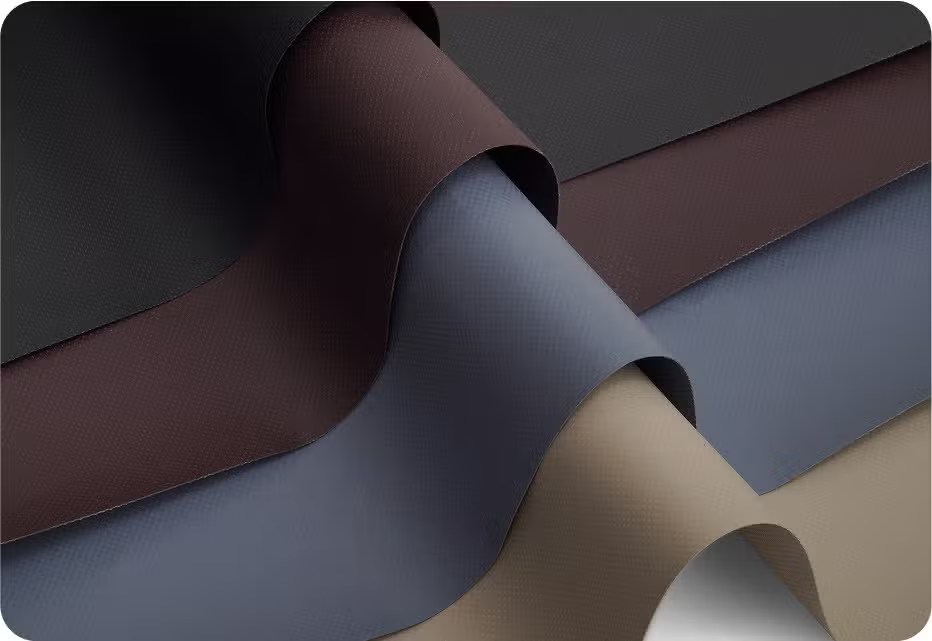
Review water resistance, UV performance, flexibility, abrasion behavior, breathability choices, and care instructions on Our Fabrics. Explore Patio Furniture Covers and Custom Covers. The finished material should fold cleanly around eight vertical seams.
Set an Orientation and Closure Plan
Mark the front panel and one distinctive corner on both the ottoman and measurement sketch. Decide whether the cover lifts straight up or needs a discreet zipper for a tall profile. Keep buckles or drawcords clear of walkways and choose stable lower attachment zones around the base.
Build the Octagonal-Ottoman Brief
Send the eight side lengths, across-flat and corner checks, top and base octagons, cushion profile, corner radii, foot map, hem clearance, drainage plan, orientation, and photographs. Review the Custom Octagonal Ottoman Cover page before approval.
Frequently Asked Questions
Is one corner-to-corner measurement enough?
No. Record multiple corner and across-flat dimensions plus all eight side lengths to identify irregular geometry.
Should I press down the cushion when measuring?
No. Measure its natural dry profile and note whether it remains installed during covered storage.
How do I stop the cover rotating?
Use a labeled front panel, a distinctive corner, and a closure plan tied to the documented base and foot layout.
Turn the Measurements Into a Production-Ready Brief
An octagon is best described as eight labeled panels supported by cross-checks, not as a circle with extra corners. The top and base shapes, cushion crown, radii, feet, and orientation give CoversForge the information needed to align the cover with the actual ottoman. Request a Quote when the measurements and photographs are ready.
Share This Article

Written by : CoversForge
Follow Us
Latest Articles

September 24, 2026

September 24, 2026
