 Business





Window Air Conditioner Covers: Measure Cabinets, Sleeves, Brackets, and Clearances

A window air conditioner projects through a wall or sash [...]
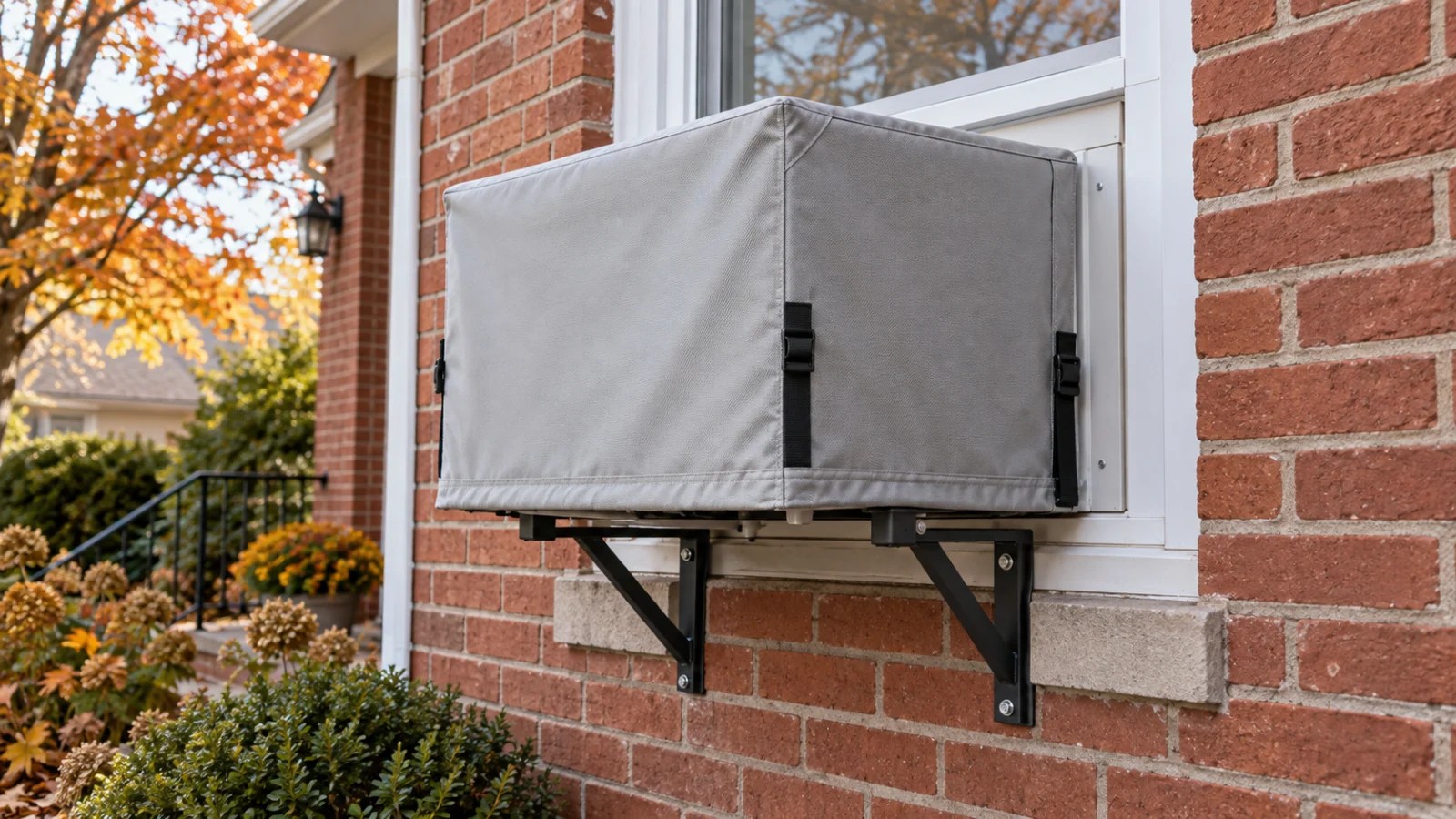
A window air conditioner projects through a wall or sash with a cabinet, sleeve, side panels, sill, support brackets, drain path, power cord, and sometimes storm panels around it. A custom window air conditioner cover should match the exterior envelope without forcing water toward the opening or encouraging the unit to operate while covered.
Measure only in the manufacturer’s approved off-season state. Switch the unit off, disconnect power when instructed, let components dry, clean debris, and use safe access equipment. Do not lean from a window or work from an unstable ladder. A cover does not correct poor installation, damaged flashing, electrical faults, mold, or a blocked drain.
Identify the Installation Type
Record the brand, model, through-window or through-wall installation, sliding or double-hung sash, removable chassis or permanent sleeve, and exterior floor level. Photograph the unit straight on, from both sides, and from below. Follow the equipment and building-envelope instructions for seasonal storage.
Measure the Exterior Cabinet
Follow How to Measure to capture maximum exterior width, height, and projection from the finished wall or window plane. Include cabinet lips, grille edges, screw heads, handles, and protective trim. Measure from stable reference surfaces rather than flexible side panels.
Map the Sleeve, Sill, and Side Panels
Record the wall sleeve or window opening, sill projection, accordion panels, filler boards, trim, seals, and storm-window parts that remain installed. Note gaps that require repair. The cover should not be used to clamp loose panels or disguise an unsafe opening.
Document Support Brackets
Measure bracket width, depth, diagonal arms, lower feet, fasteners, and their relationship to the cabinet. Photograph corrosion, movement, or damaged masonry for qualified repair before covering. Do not attach cover straps to a bracket unless it is an approved, stable tie point.
Protect the Drainage Path
Locate drain holes, rear pan slope, drip edge, wall flashing, and the normal path for water leaving the unit. Set the hem so it does not create a pocket or direct moisture into the wall. Clear debris and correct standing water before the cover is installed.
Account for Cords, Lines, and Controls
Record any exterior cord, disconnect, conduit, sensor, control cover, or refrigerant line near the envelope. Keep required access visible and never trap a live connector or damaged cable under fabric. A covered unit must remain unmistakably out of service.
Choose Safe Closure Locations
Mark straps, buckles, elastic hems, or drawcord paths on a labeled sketch. Keep closures away from sharp metal, drain openings, loose seals, and operable window hardware. From indoors, confirm the window remains secure and code-compliant after the cover is fitted.
Select Fabric for Masonry and Metal
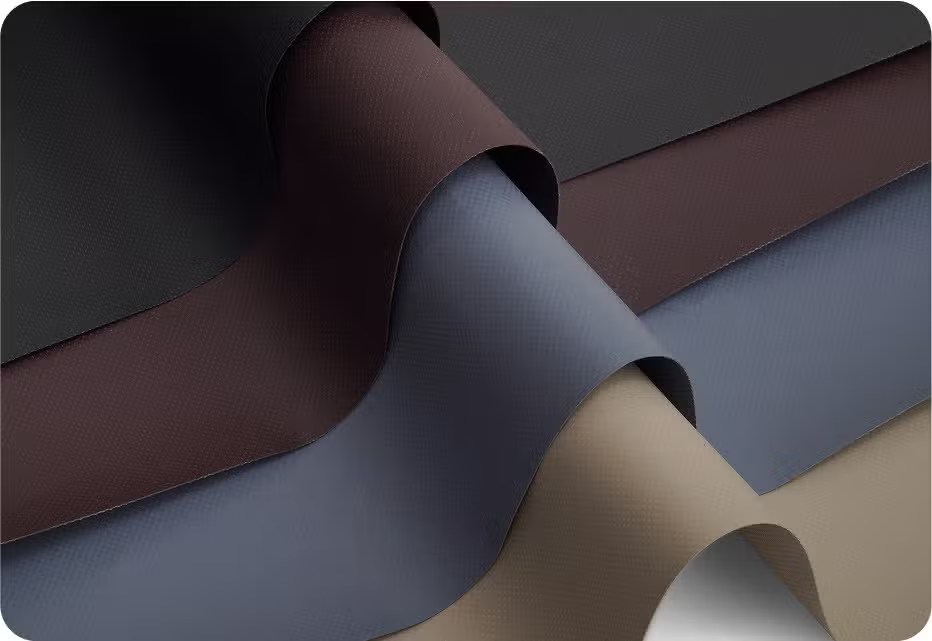
Compare water resistance, flexibility in cold weather, UV performance, abrasion behavior, and cleaning guidance on Our Fabrics. Browse Equipment Covers and Custom Covers for related protection.
Install Only in the Approved Off-Season State
Confirm the unit is off, dry, clean, and not needed for ventilation or humidity control. Fit the cover from a safe working position, secure the lower edge, and inspect after wind or heavy rain. Remove it completely before restoring power or operating the unit.
Prepare the Window-AC Brief
Send the model, cabinet dimensions, wall projection, sleeve and sill details, side panels, brackets, drain path, nearby services, closure locations, access conditions, and photos. Review Window Air Conditioner Covers before requesting production.
Frequently Asked Questions
Can I measure only the front grille?
No. Measure the full exterior cabinet, projections, sleeve, and brackets that affect the fitted envelope.
May the air conditioner run while covered?
No. Remove the cover completely and follow the manufacturer’s startup procedure before operation.
Should the cover seal every drain opening?
No. Document drainage and any required ventilation. Do not trap moisture or block openings the manufacturer requires.
Turn the Measurements Into a Production-Ready Brief
A reliable window-unit brief separates the appliance cabinet from the opening around it. Cabinet projection, sleeve and sill geometry, support brackets, drainage, services, and safe access let CoversForge review the fit while preserving the building and equipment requirements. Note whether the unit is removed each winter or remains installed, who can safely reach the exterior face, and how often wind, rain, and wall seals will be inspected during storage. Request a Quote when the measurements and photographs are ready.
Share This Article

Written by : CoversForge
Follow Us
Latest Articles

September 23, 2026

September 23, 2026
