 Business





Round Trampoline Covers: Measure Frame Diameter, Pads, Legs, Anchors, and Drainage

A round trampoline looks symmetrical, yet the frame may be [...]
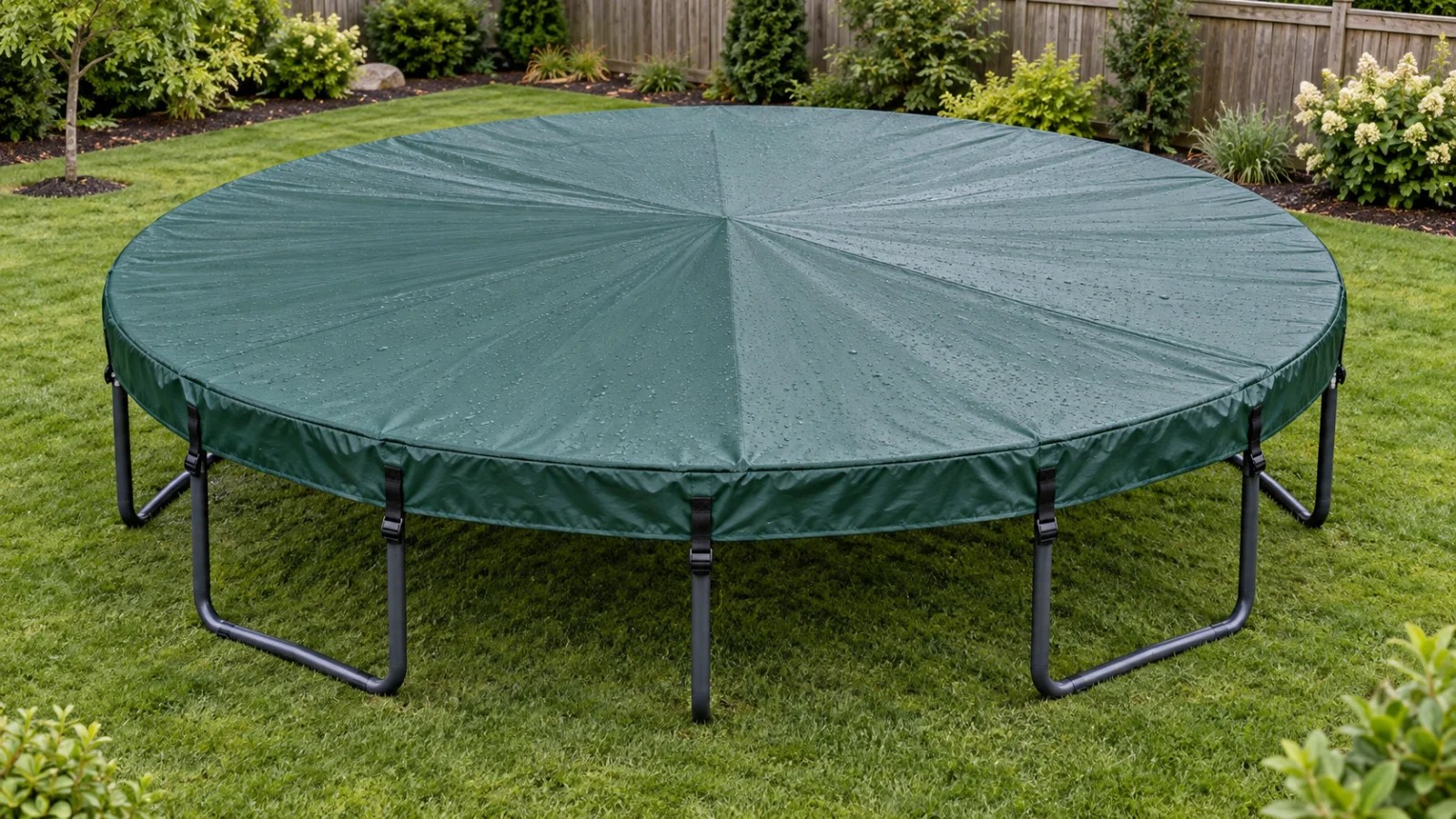
A round trampoline looks symmetrical, yet the frame may be slightly oval, the spring pad can extend beyond the steel ring, legs may sit unevenly, and enclosure posts or anchors can interrupt the edge. A custom round trampoline cover needs verified diameters, a labeled perimeter, and a safe drainage plan instead of one catalog size.
Measure only when the trampoline is empty, dry, and out of use. Follow the trampoline maker’s maintenance and weather-storage instructions, keep children away from the work area, and use a helper for large frames. A weather cover is not a jumping surface, safety net, fall barrier, or substitute for inspection and adult supervision.
Confirm the Trampoline Configuration
Record the brand, model, nominal size, frame height, leg style, spring layout, safety pad, enclosure system, ladder, anchors, and the exact off-season configuration. State which removable items stay installed. Photograph the full circle from above when it is safe to do so and from four ground-level directions.
Measure Diameter in Several Directions
Use How to Measure to record the outside frame or pad diameter north-south, east-west, and on two diagonals. Measure the widest rigid edge rather than the flexible mat. Differences reveal an oval frame, displaced pad, or installation issue that needs attention.
Map the Spring Pad and Edge Profile
Measure pad projection, thickness, skirt depth, seams, gaps, and attachment points. Inspect for tears or exposed springs before covering. The finished edge must relate to the maintained pad and frame; it should not hide damage that makes the trampoline unsafe to use.
Locate Legs and Ground Contact
Number each U-leg or straight leg clockwise and record its spacing, outside footprint, frame connection, and ground level. Note sloped turf, pavers, buried edges, or soft soil. The frame must be stable and installed according to the manufacturer before any cover dimensions are finalized.
Document Enclosure Posts and Openings
If enclosure posts remain, measure their diameter, position, lean, padding, and height at the cover plane. Define whether the cover sits inside the posts, uses reinforced openings, or requires approved component removal. Never cut or loosen a safety enclosure merely to simplify the cover.
Plan a Positive Drainage Slope
A broad circular span can collect heavy water. Use only the trampoline maker’s approved support or storage method, identify the intended high point and runoff direction, and keep drains clear. Do not place a hard improvised prop where a slip or concentrated load could damage the mat or springs.
Record Anchors and Wind Restraint
Map ground anchors, frame straps, clips, buckles, and any approved tie points relative to a labeled entry position. Inspect anchors and soil condition first. A cover attachment does not replace the trampoline’s required anchoring system or severe-weather disassembly instructions.
Choose Fabric for a Large Circular Span
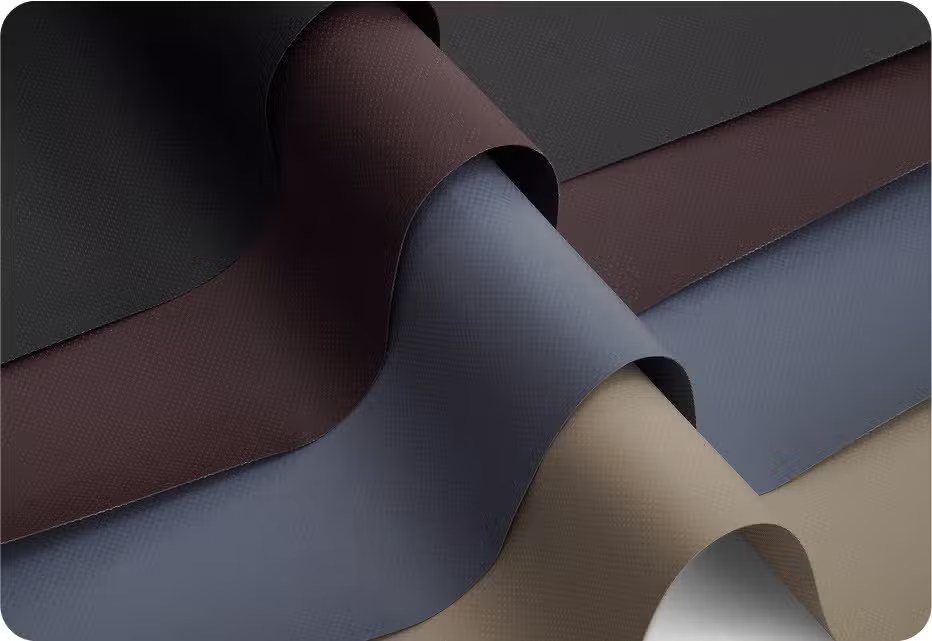
Review water behavior, UV resistance, tear strength, flexibility, abrasion, and cleaning guidance on Our Fabrics. Explore Custom Covers and related outdoor cover options. Fabric and support must be evaluated together.
Define Safe Installation and Removal
Mark one start point and decide how adults will spread, tension, release, fold, and store the cover without stepping on the trampoline. Remove the cover completely before use. Keep straps, folded fabric, and hardware outside the jumping area and away from children.
Prepare the Round-Trampoline Brief
Send the model, four diameters, frame height, pad profile, leg map, enclosure-post details, anchor layout, drainage method, exposure, installation routine, and labeled photos. Review the Custom Round Trampoline Cover for the target configuration.
Frequently Asked Questions
Is the advertised trampoline size enough?
No. Verify the maintained frame and pad in several directions because nominal sizes and installed geometry can differ.
Can people stand on the cover?
No. Treat it only as removable weather protection and keep everyone off the covered trampoline.
Should water pool in the center?
No. Follow the maker’s approved storage arrangement and plan positive drainage without unsafe improvised supports.
Turn the Measurements Into a Production-Ready Brief
The critical data is the relationship among the real circular frame, pad edge, legs, posts, anchors, and approved drainage method. A labeled perimeter plan helps CoversForge evaluate secure attachment without confusing weather protection with trampoline safety equipment. Include the intended seasonal inspection schedule so the cover never hides a frame, pad, spring, anchor, or enclosure component that needs maintenance. Request a Quote when the measurements and photographs are ready.
Share This Article


