 Business





Sandbox Covers with Six Pole Cutouts: Map Posts, Mesh, Edges, and Drainage

A pole-supported sandbox cover is a tensioned surface rather than [...]
A pole-supported sandbox cover is a tensioned surface rather than a loose tarp. The sandbox border, six support poles, mesh span, anchor points, drainage path, and daily opening method must work together. A custom mesh sandbox cover with 6 pole cutouts needs a labeled plan so every opening lands around the correct post without pulling the perimeter out of square.
Measure only when the play area is closed and empty. Remove toys, rake the sand level, inspect the border and anchors, and keep children away from the work zone. Follow the sandbox and support-system makers’ instructions. A fabric cover is not a walking surface, fall-arrest device, or substitute for adult supervision and a code-compliant enclosure.

Draw a Labeled Plan View
Sketch the sandbox from above and name the corners A through D. Number the six poles clockwise and mark the gate or normal access side. Add north or another fixed landmark. This orientation prevents a nearly symmetrical cover from being rotated so that cutouts and anchors miss their intended positions.
Measure the Border, Not the Sand
Use How to Measure to record outside length and width at the top edge, plus both diagonals. Note timber caps, rounded corners, plastic rims, masonry joints, benches, and raised trim. The cover must relate to the rigid boundary rather than the changing sand level inside it.
Locate All Six Pole Centers
Measure each pole center from two fixed reference edges, then confirm distances between neighboring pole centers. Record pole diameter at the cover plane, not only at the base. If a pole leans, measure its actual intersection with the finished cover and photograph the direction of lean.
Specify Cutout Shape and Closure
Document whether each opening can be a closed circular cutout, a slit with a reinforced collar, or an edge-connected opening. Record removable caps, brackets, ropes, and hardware above the cover plane. A closure must not create a finger trap, sharp edge, or loose loop in the children’s activity area.
Map the Mesh Support Height
Measure the intended cover height at each pole and the sandbox border. Compare the six values to reveal slope and low points. The support system should encourage drainage without creating a steep, unstable tent. Do not improvise poles or load them beyond the manufacturer’s approved arrangement.
Plan Drainage and Debris Removal
Mesh can pass rain while holding leaves, but blocked openings and sagging spans can still collect weight. Record the site’s typical rain, tree debris, snow exposure, and cleaning routine. Keep drains and sand ventilation paths clear, and remove accumulated debris before releasing perimeter tension.
Record Anchors and Edge Tension
Locate every approved anchor, spring, strap, track, hook, or weighted edge. Measure its offset from labeled corners and height below the rim. Replace damaged hardware before ordering. The cover should distribute load around the perimeter instead of concentrating force at one corner or one pole opening.
Choose Mesh for the Site
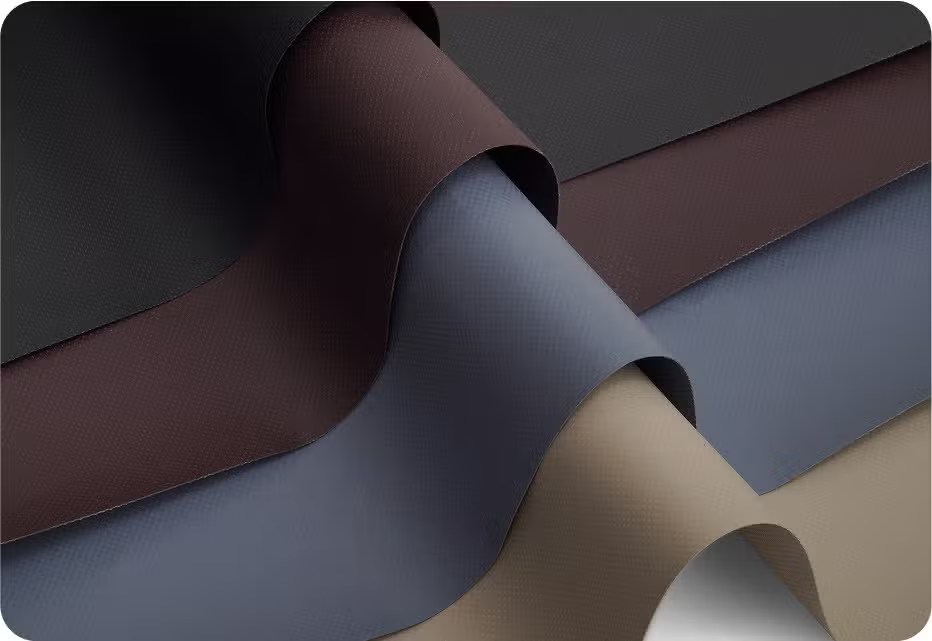
Compare airflow, water passage, UV resistance, abrasion behavior, edge reinforcement, and cleaning needs on Our Fabrics. Browse Patio Furniture Covers and Custom Covers for related outdoor protection. Mesh selection must match the approved support and anchoring system.
Test the Daily Opening Routine
Decide which edge opens first, where released hardware rests, and how the cover will be folded without dragging through sand. Two adults may be appropriate for a large span. Before play, remove the cover completely, store it outside the activity area, and inspect for loose anchors or damaged poles.
Prepare the Six-Pole Fit Brief
Send the labeled plan, border dimensions, diagonals, six pole-center coordinates, pole diameters, cover-plane heights, cutout approach, anchors, drainage exposure, opening routine, and photos. Review the Mesh Sandbox Cover with Six Pole Cut-Out or Request a Quote.
Frequently Asked Questions
Can I space the six openings evenly on the drawing?
Only if field measurements prove the poles are evenly spaced. Record every center from fixed edges because installed posts often vary.
Should mesh rest on the sand?
Use the approved support design. Do not assume the sand can safely support wet fabric, debris, snow, or a person.
Can children play on top of the cover?
No. Treat the cover as removable environmental protection, keep children off it, and follow all playground and enclosure safety requirements.
Turn the Measurements Into a Production-Ready Brief
The decisive measurements are the relationships among the rigid border, six actual pole centers, cover-plane heights, and approved anchors. A labeled coordinate plan gives CoversForge the information needed to evaluate accurate openings and balanced edge tension. Request a Quote when the measurements and photographs are ready.
Share This Article

Written by : CoversForge
Follow Us
Latest Articles

September 20, 2026

September 20, 2026
