 Business






Cylindrical Fire Column Covers: Measure Burner Rims, Controls, Bases, and Vents

A cylindrical fire column may look simple, but the burner [...]
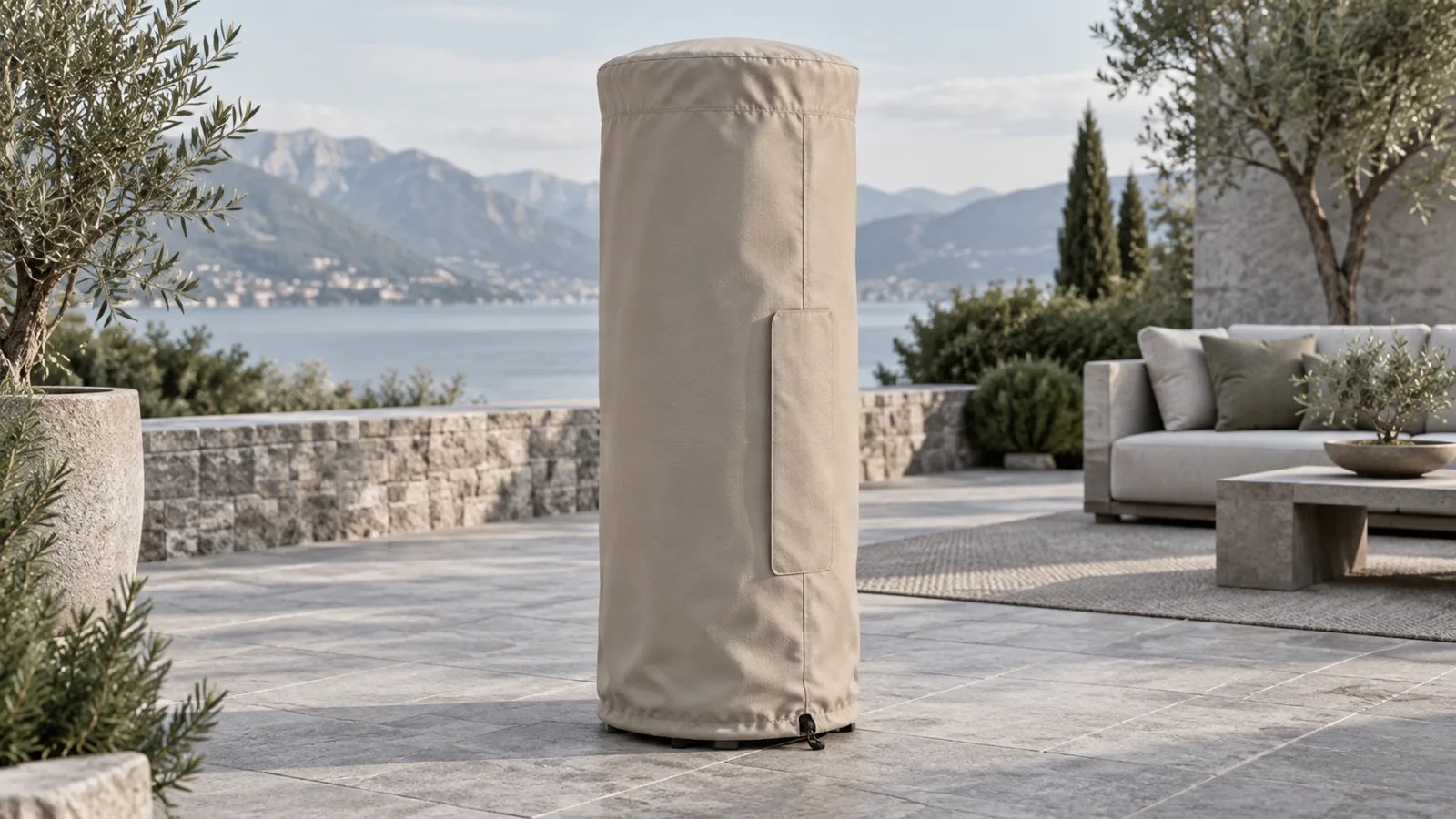
A cylindrical fire column may look simple, but the burner rim, protective glass, top cap, tapered body, control panel, fuel door, vents, leveling feet, and base ring can create several different diameters. A custom cylindrical fire column cover must be based on the appliance’s fully extinguished, completely cold, approved storage state.
Shut off the appliance and fuel supply exactly as the manufacturer directs. Wait until the burner, media, rim, body, and glass are cold. Remove loose debris and moisture. Never place fabric over a flame, pilot, warm surface, leaking connection, active electrical component, or appliance that still requires combustion ventilation.
Confirm the Appliance and Fuel Type
Record the brand, model, serial reference, fuel type, and whether the cylinder contains or connects to a propane tank, natural-gas line, or electrical ignition. Photograph labels without sharing private account information. The cover design cannot change required clearances, shutdown steps, or approved fuel storage rules.
Measure Every Important Diameter
Use How to Measure to record the top rim, widest body band, control housing, base ring, and foot spread. Take each diameter in at least two directions. Cylindrical bodies can be oval, tapered, or interrupted by doors and handles, so one catalog diameter is rarely enough.
Record Total Height and Taper
Measure from the supporting surface to the highest cold component, including a glass guard or cap that remains installed. Record heights where the diameter changes. A simple side sketch with diameter stations helps distinguish a straight cylinder from a cone, barrel profile, or wide top over a narrow base.
Map the Burner Rim and Glass Guard
Measure the outer burner lip, glass panel arrangement, clips, brackets, and top-edge height. Inspect glass for cracks and hardware for looseness before covering. The finished fabric should clear fragile edges without using the glass or burner assembly as an anchor point.
Locate Controls and Access Doors
Record control knobs, ignition buttons, valve recesses, handles, hinges, latches, and fuel-compartment doors. State whether routine inspection requires full cover removal. Do not create casual access that encourages operation while covered, and never use closures to hold a fuel door or control in position.
Protect Required Vent Openings
Identify every manufacturer-required inlet, outlet, drain, and ventilation gap. Note which openings are relevant only during operation and which must remain unobstructed during storage. A weather cover does not authorize sealing a compartment that the manufacturer requires to breathe.
Measure the Base and Stability Features
Record the base ring, feet, casters, leveling pads, anchor points, and ground clearance. Confirm the column is stable on its intended surface. Keep the hem clear of standing water and do not attach straps to gas hoses, valves, electrical leads, decorative panels, or movable controls.
Choose Fabric for Heat-Affected Equipment
Compare UV resistance, water behavior, flexibility, abrasion performance, and cleaning guidance on Our Fabrics. Browse Grill & Heating Covers and Custom Covers. Fabric selection never shortens the required shutdown and cool-down period.
Install Only After a Cold Inspection
Verify that the flame and fuel supply are off, every surface is cold and dry, and no service alarm or odor is present. Center the cover over the top, lower it without contacting glass edges, and secure only approved lower points. Remove it completely before inspection, ignition, or operation.
Prepare the Fire Column Brief
Send the model, fuel type, diameter stations, total height, taper, burner rim, glass guard, controls, doors, vents, base, hem height, exposure, and labeled photos. Review Cylindrical Fire Column Custom Covers or Request a Quote.
Frequently Asked Questions
Is the top diameter enough for sizing?
No. Measure the top, widest body feature, control area, base, and any taper because the largest diameter may occur below the rim.
Can the cover go on when the flame is off but the column is warm?
No. Follow the appliance maker’s full shutdown and cool-down procedure and cover only when every component is cold and dry.
Should vents be sealed against rain?
Do not block any opening that the manufacturer requires during storage. Document vents and follow the appliance instructions.
Turn the Measurements Into a Production-Ready Brief
A fire column is a fuel-burning appliance before it is a cylinder. Accurate diameter stations, fragile top hardware, controls, doors, vents, and the approved cold condition give CoversForge a practical basis for reviewing fit without compromising safe operation. Request a Quote when the measurements and photographs are ready.
Share This Article

Written by : CoversForge
Follow Us
Latest Articles

September 21, 2026

September 21, 2026
