 Business


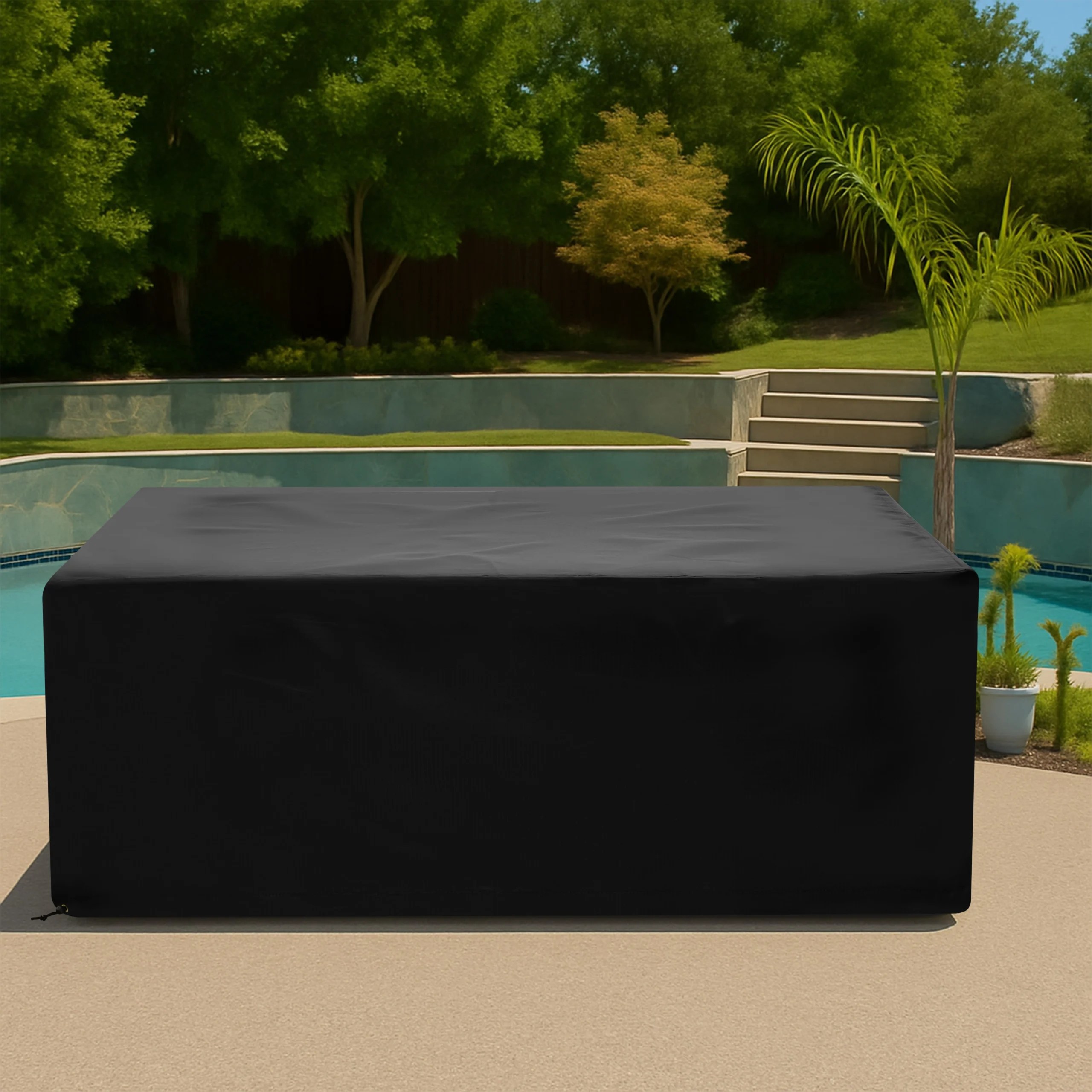



Cast Iron Chiminea Covers: Fit Chimneys, Fireboxes, Handles, and Bases

A cast iron chiminea narrows at the chimney, widens around [...]
A cast iron chiminea narrows at the chimney, widens around a rounded firebox, and may project at the rain cap, handles, door, spark screen, decorative bands, legs, and base. A custom cast iron chiminea cover should follow those changing profiles without catching on brittle ornaments or being mistaken for heat-resistant operating equipment.
Extinguish the fire and fuel exactly as the chiminea maker directs. Wait until the body, grate, door, cap, ash, and surrounding floor are completely cold. Remove ash only through the approved procedure, clean loose soot, and dry the iron. Never cover embers, warm metal, an active chimney, or a damaged and unstable appliance.

Identify the Chiminea Construction
Record the brand, model, cast sections, bolted joints, removable cap, spark screen, grate, and door arrangement. Photograph the front, sides, back, and top. Note existing rust, cracks, loose fasteners, and repaired areas. A cover cannot stabilize damaged cast iron or make unsafe firing practices acceptable.
Measure the Maximum Firebox Width
Use How to Measure to record the widest firebox diameter or side-to-side span. Measure front-to-back depth separately because doors, hinges, and decorative relief can make the body asymmetrical. Do not press the tape across hot, sharp, or fragile surfaces.
Create a Height-and-Diameter Profile
Measure total height from the supporting surface to the tallest cap. Then record widths at the base, lower bowl, firebox shoulder, chimney neck, and cap. This station method gives a useful side profile for a form that cannot be represented by one diameter and one height.
Map the Door, Screen, and Handles
Measure the firebox door, latch, hinges, spark screen, carry handles, and tool hooks in the closed storage position. Remove loose tools. The cover should clear projections without pulling the door open, loading a hinge, or creating a strap that can be confused with an appliance control.
Document the Chimney and Cap
Record chimney diameter, taper, decorative ribs, cap width, rain hood, mesh, and removable stack sections. State which parts remain installed during storage. A reinforced top should clear the cold cap without transferring wind load to fragile ornaments or loosely fitted chimney pieces.
Measure Legs and the Stable Base
Record leg count, foot spread, pedestal, support frame, and ground clearance. Confirm the chiminea sits on a stable, noncombustible surface with required clearances. Set the hem above standing water and keep closures away from feet where they could create a trip or snag hazard.
Address Cast Iron Moisture Control
Clean and maintain the surface as the maker recommends before covering. Document drainage and condensation exposure, especially near joints, ash doors, and the base. A cover helps limit direct weather but cannot compensate for trapped moisture, wet ash, failed coatings, blocked drainage, or ignored corrosion.
Choose Fabric for Outdoor Storage
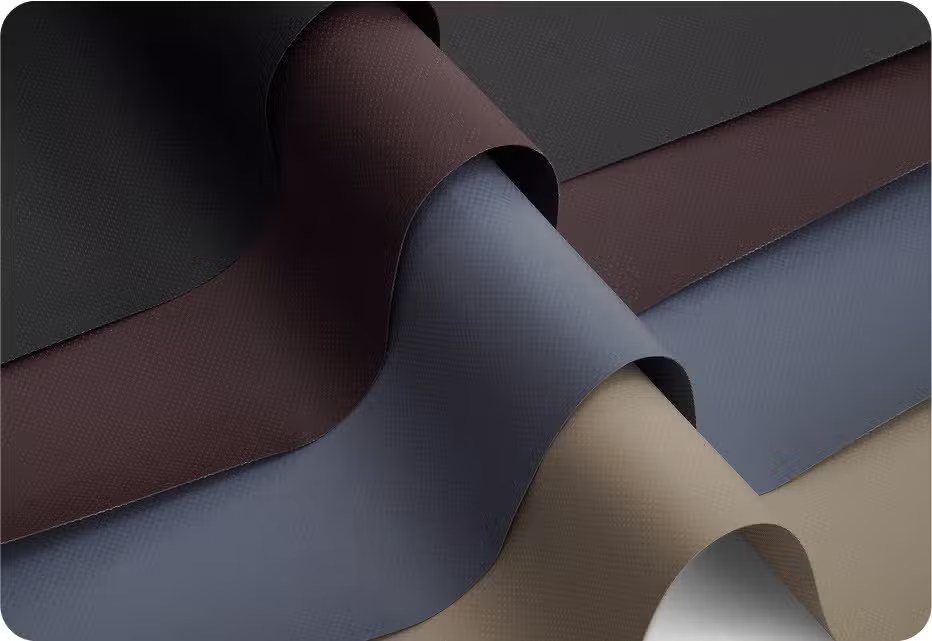
Compare UV resistance, water behavior, abrasion performance, flexibility, and cleaning instructions on Our Fabrics. Browse Grill & Heating Covers and Custom Covers. Choose manageable weight so removal does not scrape decorative cast details.
Install From the Cold Chimney Down
After the safety inspection, align the cover over the cap and lower it evenly past the chimney, shoulders, handles, and door. Do not twist fabric around ornaments. Apply modest tension only at approved lower structure. Remove the cover completely before inspecting, moving, servicing, or lighting the chiminea.
Prepare the Cast Iron Chiminea Brief
Send the model, material condition, firebox width and depth, height-and-diameter stations, door, handles, cap, chimney, legs, base, desired hem, exposure, and labeled photos. Review Cast Iron Chiminea Custom Covers or Request a Quote.
Frequently Asked Questions
Can the cover go on when the chiminea feels only slightly warm?
No. Follow the manufacturer’s extinguishing and cool-down instructions and cover only when the whole appliance and ash are completely cold and dry.
Should I measure with the rain cap installed?
Measure the one approved storage configuration you will repeat, and document any removable cap or chimney section clearly.
Will a cover stop cast iron from rusting?
It can reduce direct exposure, but cleaning, dry storage, drainage, coatings, inspections, and proper maintenance remain essential.
Turn the Measurements Into a Production-Ready Brief
Cast iron rewards a profile-based measurement plan. Firebox depth, changing diameters, door and handle projections, chimney hardware, and a stable cold base help CoversForge evaluate protection that can be installed without striking decorative or corroded parts. Request a Quote when the measurements and photographs are ready.
Share This Article


