 Business





Spare Tire Covers: Measure Diameter, Width, Mounts, and Camera Cutouts

A rear-mounted spare is more than a tire. The wheel [...]
A rear-mounted spare is more than a tire. The wheel face, tread shoulders, carrier plate, camera, lock, lug hardware, valve stem, and bumper clearance all affect fit. A custom spare tire cover should match the mounted assembly without pressing on electronics or becoming a loose pocket behind the vehicle.
Park on level ground, switch off the vehicle, apply the parking brake, and keep the key away from the work area. Clean and dry the tire before measuring. Follow the vehicle, wheel, camera, and carrier manufacturers’ instructions. Never work beneath an unsupported carrier or obscure legally required lights and plates.

Identify the Mounted Spare Assembly
Record the vehicle year, make, model, wheel size, tire model, and carrier type. Note whether the spare sits on the tailgate, swing-away bumper arm, hitch carrier, trailer, or RV. Photograph the assembly straight on and from both sides so offsets and hardware are easy to understand.
Measure the True Outside Diameter
Use How to Measure to measure the tire vertically and horizontally across its widest inflated profile. Do not rely only on the size molded into the sidewall because tread design, pressure, wear, and manufacturing tolerances can change the mounted envelope. Record both spans if they differ.
Record Tread Width and Sidewall Bulge
Measure from the outermost front sidewall point to the rear tread shoulder that the cover must reach. Check raised lettering, rim protectors, deep lugs, chains, and bead-lock hardware. The pattern needs the maximum rigid and rubber profile, not the nominal wheel width or an unloaded catalog dimension.
Map Wheel Offset and Carrier Hardware
Measure how far the wheel face sits forward of the mounting plane. Locate carrier hinges, support plates, bolts, locks, handles, gas struts, and bumper stops. Mark any hardware that stays exposed. The cover should never be used to hold a loose wheel, damaged carrier, or partially latched swing arm in place.
Plan a Camera or Sensor Cutout
If a reversing camera passes through the wheel center, record lens diameter, housing width, projection, cable path, and position relative to the wheel hub. Confirm the camera’s required field of view. A cutout or fitted collar must not scratch the lens, pinch wiring, trap water, or obstruct required driver-assistance equipment.
Protect Locks, Valves, and Access Points
Locate the valve stem, locking lug, release handle, anti-theft cable, and any inspection points. Decide which items must remain reachable after installation. Access features should be deliberate and weather-aware. Do not hide a pressure problem, damaged sidewall, loose fastener, or corroded carrier behind the cover.
Check Bumper and Body Clearances
Measure gaps to the bumper, tailgate, rear glass, wiper, lights, plate, exhaust outlet, and hitch accessories through the full approved opening path. Open the tailgate or swing arm slowly while observing clearance. The cover must not become trapped between painted panels or contact a hot exhaust system.
Choose Fabric for Roadside Exposure
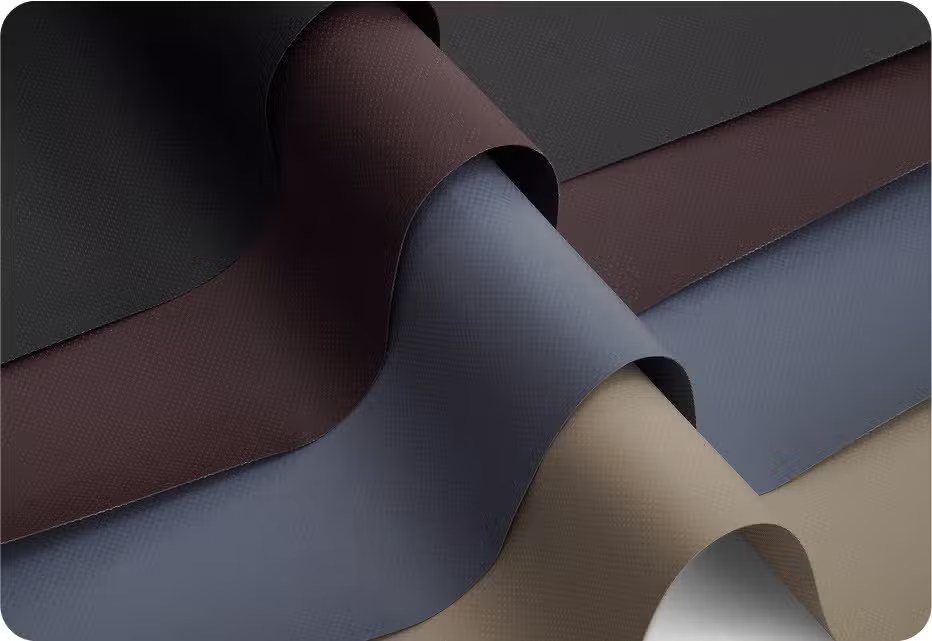
Compare UV resistance, water behavior, abrasion performance, flexibility, and cleaning needs on Our Fabrics. Browse Vehicle Covers and Custom Covers. Rear-mounted tires collect dust and road film, so removable, washable protection and reinforced contact zones matter.
Install and Inspect Before Driving
Center the cover over the wheel face, work it evenly around the tread, and secure only the intended hem or approved attachment points. Verify the carrier latch, camera view, lights, plate, tailgate, and bumper clearance. Stop if the cover flaps, shifts, or touches hot or moving components.
Prepare the Spare-Tire Fit Brief
Send the vehicle and carrier details, tire diameter, tread width, wheel offset, camera housing, locks, valve location, clearances, exposure, and labeled photos. Review the Custom Spare Tire Covers or Request a Quote when every dimension is confirmed.
Frequently Asked Questions
Can I size the cover from the tire code alone?
Use the tire code as a reference, but measure the installed tire because tread, inflation, wheel offset, and accessories can change the actual envelope.
Will a camera need an opening?
Usually, yes. Document the complete camera housing and verify that the finished opening preserves the required field of view and wiring clearance.
Can the cover stay on during travel?
Only use it during travel when the finished product and vehicle setup are approved for that use and every inspection shows secure clearance.
Turn the Details Into a Production-Ready Brief
A spare-tire cover succeeds when the tire, wheel, carrier, camera, and body clearance are treated as one installed system. Precise measurements help CoversForge evaluate a secure profile without confusing a weather cover with a restraint, repair, or safety-device substitute. Request a Quote when the measurements and photographs are ready.
Share This Article


