 Business





Octagonal Poker Table Covers: Fit Rails, Cup Holders, Bases, and Corners

An octagonal poker table is not defined by one diameter. [...]
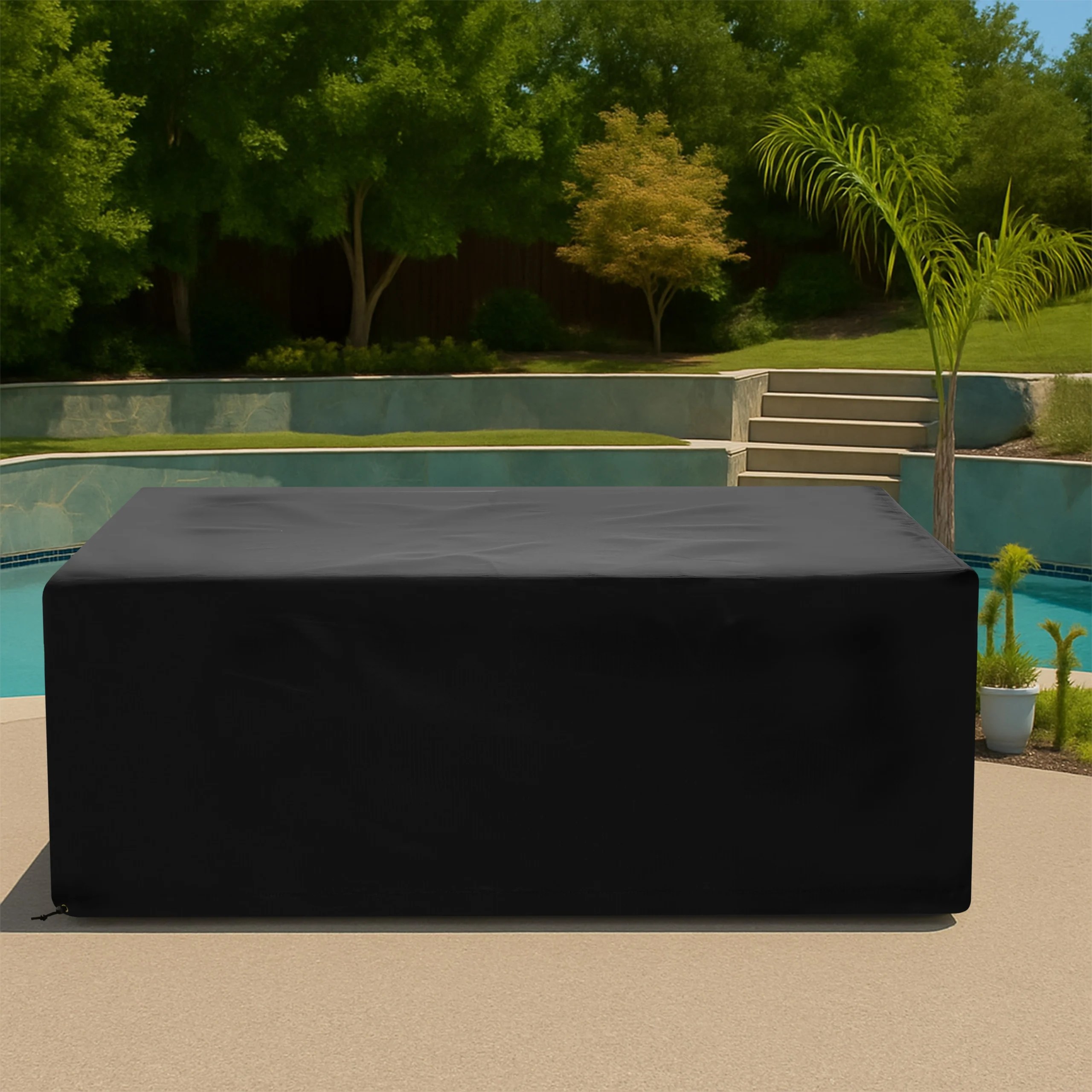
An octagonal poker table is not defined by one diameter. Eight edge lengths, corner-to-corner spans, padded rails, cup holders, dealer trays, chip racks, pedestal bases, and folding legs can all change the cover profile. A custom octagonal poker table cover should protect the finished playing surface without compressing the rail or rubbing exposed hardware.
Remove chips, cards, drinks, electronics, and loose accessories. Clean the rail and playing surface according to their material instructions, allow everything to dry, and lock folding hardware in the intended storage position. A cover will not correct a loose base, damaged hinge, spilled liquid, or unstable table.

Confirm the Eight-Sided Geometry
Count and label all eight sides clockwise. Record whether the octagon is regular or stretched, and identify the dealer side. Tables that look symmetrical can have a longer dealer station, clipped access edge, or uneven rail. A labeled plan view prevents a fitted cover from being rotated into the wrong orientation.
Measure Every Edge and Both Main Spans
Follow How to Measure to record each straight edge, opposite-flat spans in both directions, and corner-to-corner spans. Measure the rigid rail perimeter rather than estimating from tabletop diameter. Compare diagonals to identify asymmetry before the pattern is prepared.
Record Rail Thickness and Corner Shape
Measure rail height, horizontal width, outside overhang, padding crown, seam locations, and the radius or bevel at every corner. Do not press the tape into foam. Note repaired areas or decorative trim. The cover should rest around the rail instead of using tight tension to flatten upholstery.
Map Cup Holders and Player Stations
Locate surface-mounted cup holders, recessed inserts, chip trays, USB ports, betting lines, lights, and removable player accessories. Record their projection and distance from labeled corners. Empty and dry holders before covering. Remove loose inserts if recommended and never trap a drink container beneath the fabric.
Protect Felt or Speed Cloth
Document the central playing-surface dimensions, raised logos, dealer cutout, removable topper, and any gap between felt and rail. Clean only with approved methods. A fitted cover should keep dust off the surface but must not be used while felt is damp or while cleaning products are still evaporating.
Measure the Base and Leg Configuration
Record pedestal diameter, foot spread, leg height, folding braces, casters, crossbars, and ground clearance. Choose whether the table remains assembled or folds for storage. Do not ask one cover to fit both forms unless a deliberately modular solution is specified and all moving hardware is locked.
Account for Dealer Trays and Attachments
Measure dealer trays, drop boxes, arm rests, side shelves, card shufflers, and cable exits that stay installed. Remove valuables and detachable electronics. Mark attachment edges that can snag fabric. Access openings should be used only after the cover is removed from the playing surface.
Choose Fabric for Indoor or Sheltered Use
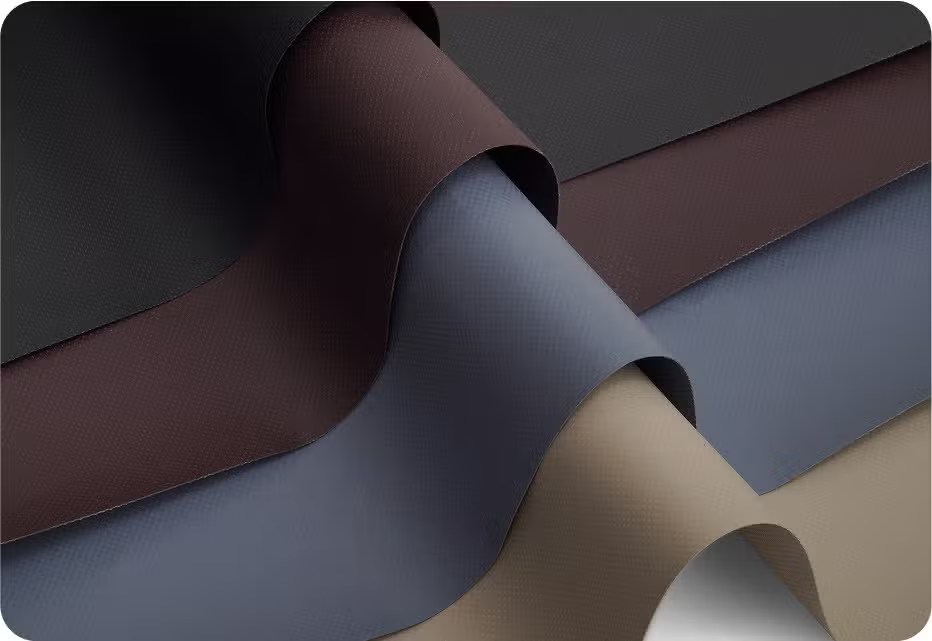
Compare water behavior, abrasion resistance, flexibility, finished weight, and cleaning instructions on Our Fabrics. Explore Custom Covers. A lighter, clean-handling option may suit a game room, while sheltered patios require greater attention to humidity, dust, and UV exposure.
Install Without Dragging Across the Rail
Identify the dealer side, place the cover over two opposite corners, and lower it evenly around the remaining six. Do not pull hardware across felt or padded vinyl. Set lower closures with moderate tension and confirm no strap crosses a folding brace, footpath, power cable, or caster.
Prepare the Poker-Table Fit Brief
Send the eight labeled edges, flat-to-flat and corner-to-corner spans, rail profile, cup holders, player stations, playing surface, dealer hardware, base, legs, storage condition, exposure, and photos. Review the Custom Poker Table Cover – Octagonal or Request a Quote.
Frequently Asked Questions
Is one diameter enough for an octagonal table?
No. Record every edge plus both flat-to-flat and corner-to-corner spans so irregularities and the dealer side are visible.
Can chips and cards stay under the cover?
Remove all loose game pieces, drinks, valuables, and electronics before covering so nothing marks the felt or creates a raised pressure point.
Should I measure the table folded or open?
Measure the single locked storage configuration you intend to cover and document every brace, foot, and projection in that position.
Turn the Details Into a Production-Ready Brief
An octagonal poker table needs a labeled perimeter, not a guessed diameter. Accurate rail, accessory, surface, and base measurements help CoversForge review a fitted cover that respects the padded edge and makes orientation obvious during installation. Request a Quote when the measurements and photographs are ready.
Share This Article

Written by : CoversForge
Follow Us
Latest Articles

September 20, 2026

September 20, 2026
