 Business





Bicycle Covers: Measure Handlebars, Saddles, Pedals, Racks, and Wheels

Bicycles combine thin frames with wide handlebars, sharp pedals, delicate [...]
Bicycles combine thin frames with wide handlebars, sharp pedals, delicate controls, wheels, racks, baskets, lights, and sometimes a battery or motor. A custom bicycle cover should follow the parked bike’s real envelope without loading brake levers, snagging drivetrain parts, or pooling between the saddle and handlebar.
Park the bicycle on a stable stand or in its approved storage position. Switch off an e-bike, remove the key, and follow battery storage guidance. Let brakes and drive components cool after use, wipe away moisture and grit, and secure the bicycle independently. A cover is not a lock, transport bag, or structural stand.
Choose One Repeatable Parking Position
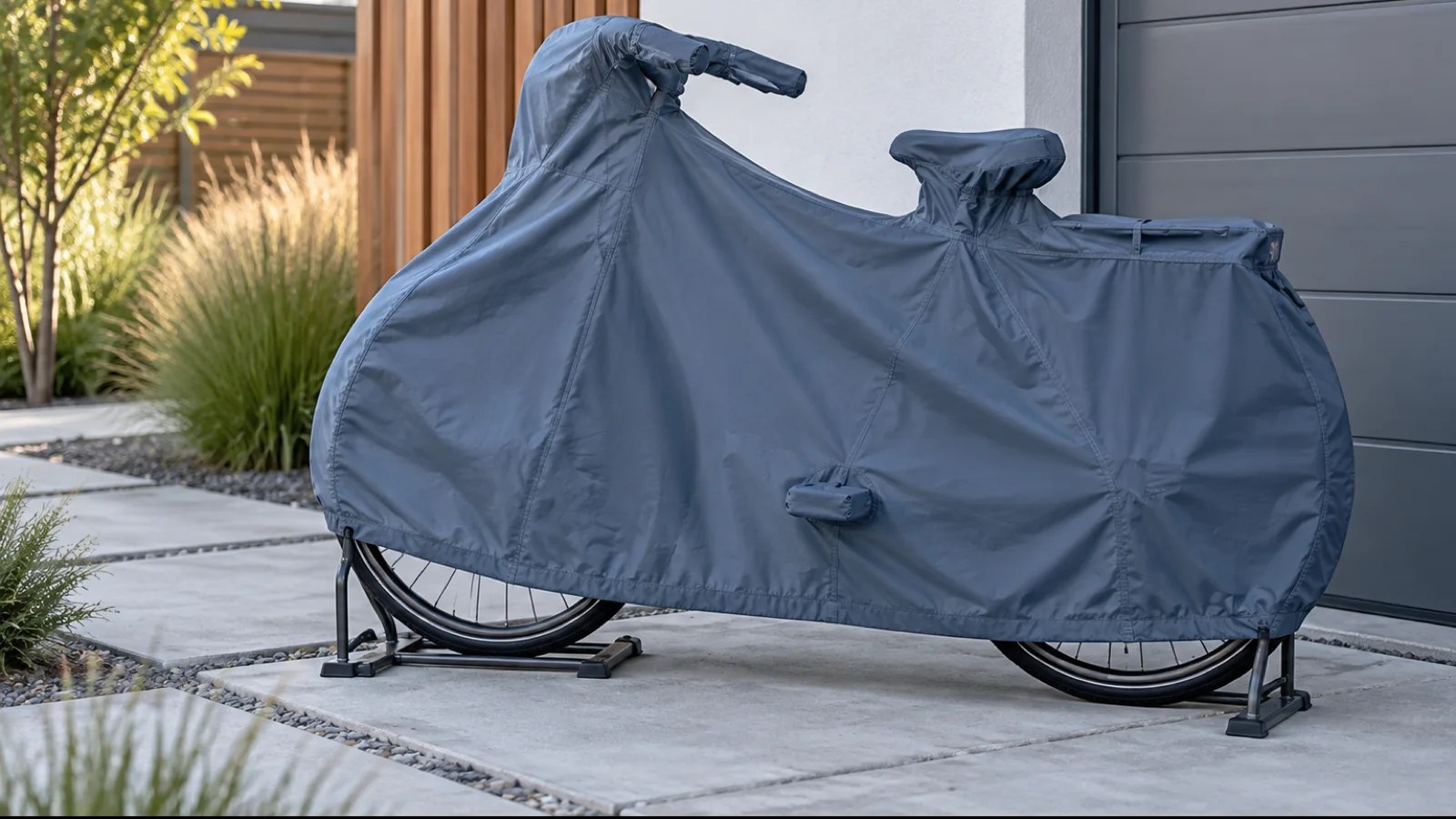
Decide whether the bike stands on a kickstand, floor rack, wall rack, repair stand, or trainer. Record steering angle and whether pedals are level or vertical. The pattern should match a stable configuration rather than stretching between several parking arrangements or relying on the cover to hold the bicycle upright.
Measure Overall Length, Height, and Width
Use How to Measure to capture tire-to-tire length, ground-to-high-point height, and maximum width across grips, mirrors, baskets, or panniers. Measure the complete parked envelope, not the nominal frame size. Include accessories that always remain installed.
Map Handlebars and Control Hardware
Record bar type, grip-to-grip width, rise, sweep, brake-lever projection, shifters, bell, mirrors, display, phone mount, and cables. Turn the bars to the chosen storage angle. The cover should not squeeze hydraulic controls, change shifter position, or bend cables against the frame.
Measure the Saddle and Frame High Points
Record saddle height, length, width, nose projection, seat-post hardware, top-tube slope, and any child-seat or frame-bag profile. Check the height difference between saddle and bars. These two peaks often create a low center span where water can collect if the cover is oversized or unsupported.
Document Wheels, Fenders, and Drivetrain
Measure wheel diameter including tires, maximum tire width, fender projection, derailleur side clearance, crank and pedal width, disc rotors, and chain guard. Place the drivetrain in a repeatable gear. Avoid dragging fabric over an oily chain, sharp chainring, hot rotor, or protruding pedal.
Include Racks, Baskets, and Panniers
Measure front and rear racks, baskets, crates, panniers, child seats, and permanently mounted cargo accessories. Remove loose bags and valuables. State whether empty panniers remain installed. A boxy rear load can be the widest point and may require a separate profile from the bicycle frame.
Address E-Bike Batteries and Displays
Follow the bicycle and battery manufacturers’ charging and storage instructions. Record motor housing, battery pack, charging port, display, wiring, and ventilation clearances. Remove the battery only when instructed. Never charge under the cover, trap heat, or block required access to an alarm or disconnect.
Choose Fabric for Frequent Handling
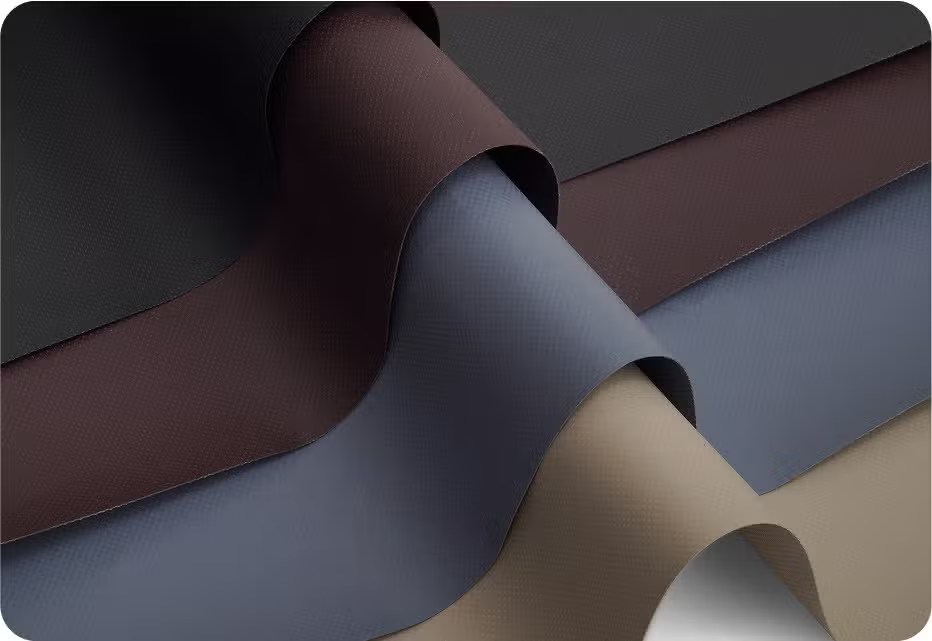
Compare flexibility, water behavior, UV resistance, abrasion performance, and cleaning needs on Our Fabrics. Browse Vehicle Covers and Custom Covers. A manageable cover is easier to lift clear of controls, pedals, and greasy parts during daily use.
Secure the Bike and Cover Separately
Lock the bicycle to an approved anchor with a real security device. Then fit the cover from the handlebar and saddle peaks toward both wheels. Use only designed hem points or straps, keeping them away from spokes, rotors, chain, and cables. Remove everything before riding or transporting the bike.
Prepare the Bicycle Fit Brief
Send the bicycle type, frame size, parking method, total envelope, handlebar and saddle profiles, wheels, drivetrain side, racks, baskets, e-bike equipment, hem height, exposure, and labeled photos. Review the Bicycle Cover or Request a Quote.
Frequently Asked Questions
Should the front wheel be straight?
Choose a steering angle that is stable and repeatable in storage, then measure and photograph the bicycle in that exact position.
Can an e-bike charge under the cover?
No. Follow the battery manufacturer’s charging instructions and keep the charging area uncovered, ventilated, dry, and supervised as required.
Does the cover prevent theft?
No. Secure the bicycle independently with an appropriate lock and approved anchor; a fabric cover only provides environmental and visual protection.
Turn the Details Into a Production-Ready Brief
A bicycle is a collection of narrow tubes and sensitive projections rather than a solid box. Measuring controls, high points, wheels, cargo gear, and electrical components separately helps CoversForge evaluate a practical cover that can be removed without disturbing the bike. Request a Quote when the measurements and photographs are ready.
Share This Article

Written by : CoversForge
Follow Us
Latest Articles

September 21, 2026

September 21, 2026
