 Business





Patio Benches With Built-In Planters: Fit Seats, Boxes, Rims, and Drainage

A bench integrated between planter boxes combines furniture geometry with [...]
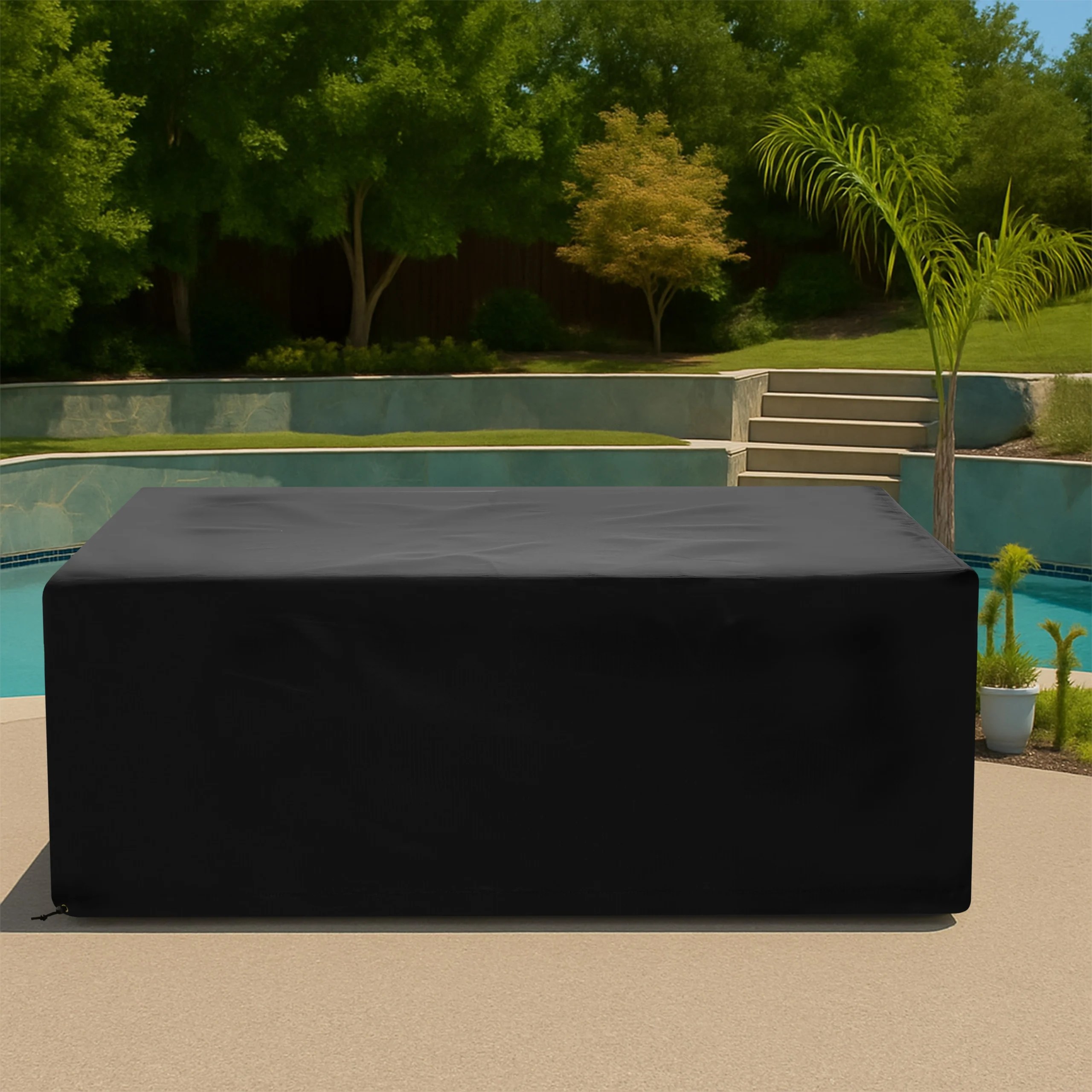
A bench integrated between planter boxes combines furniture geometry with living containers that must drain and breathe. Seat slats, planter rims, soil lines, irrigation tubes, feet, and unequal box heights all affect the pattern. A custom patio bench with built-in planters cover should protect the hard structure without sealing plants, wet soil, or drainage outlets inside fabric.
Decide whether plants remain in place and follow their care requirements. Remove cushions and décor, brush off soil, empty standing water, and let the bench dry. Prune or tie plants only as horticultural guidance allows. Never pull a fitted cover over live foliage or close vents and drains needed by the planter boxes.

Define What the Cover Protects
Mark the central seat, left planter, right planter, back or arm structures, and any connecting frame. Decide whether the cover stops below each rim or includes only empty removable planter lids. The protected boundary should be repeatable without asking fabric to wrap around changing branches or flowers.
Measure the Combined Footprint
Follow How to Measure to record maximum end-to-end width, overall depth, seat height, planter-box heights, and foot positions. Measure each box separately even when they appear identical. Check diagonals and the gap beneath the bench if the structure has settled on uneven paving.
Map the Seat and Back Profile
Measure usable seat width and depth, slat spacing, front apron, back height, arms, center supports, and any cushion thickness that will remain. Remove loose cushions for storage unless their manufacturer says otherwise. Note whether the seat is level, crowned, or sloped toward drainage gaps.
Record Both Planter Boxes
For each planter, measure outer width, depth, height, taper, corner radius, decorative panels, and rim projection. Record the soil line and inner opening for reference, but size the cover from rigid outside surfaces. Do not compress flexible liners or growing media to force both ends into matching dimensions.
Keep Plants Outside the Cover
Document trunks, stems, irrigation stakes, trellises, and foliage that remain above the planter rim. Establish a clear fabric stop below live growth. A cover opening should not rub bark, constrict stems, trap humid foliage, or prevent normal plant care. Separate plant protection may require a horticultural product, not furniture-cover fabric.
Preserve Drainage and Irrigation Access
Locate drain holes, saucers, overflow channels, hose connections, emitters, timers, and electrical garden lighting. Keep the hem above outlets and standing water. Turn off or adjust irrigation only according to the system and plant plan, and remove the cover before servicing valves, adding water, or applying treatments.
Document Feet, Anchors, and Ground Conditions
Measure legs, plinths, leveling pads, anchors, hidden brackets, and ground clearance at every corner. Note deck slope and splashback zones. Do not attach straps to irrigation tubing, removable trim, or roots. Confirm that closures cannot become trip hazards along the front of the bench.
Choose Fabric for Soil and Garden Exposure
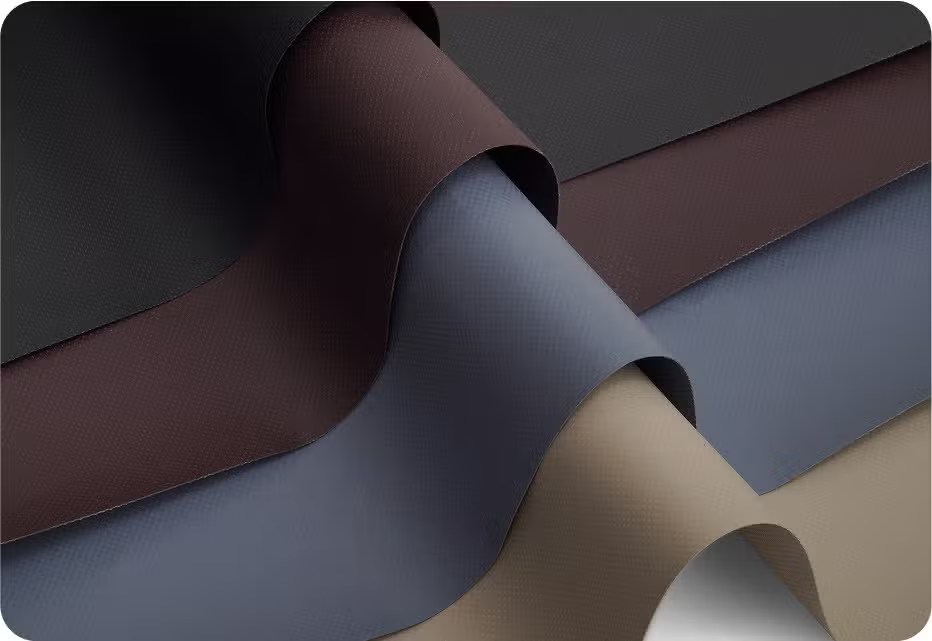
Compare water behavior, UV resistance, abrasion performance, flexibility, and cleanability on Our Fabrics. Explore Patio Furniture Covers and Custom Covers. Garden contact favors a material that can be removed and cleaned without dragging soil across the seat.
Plan Runoff Across Three Levels
Map the high points at both planter rims and the lower seat between them. Fabric can create a valley over the bench, so record natural slope and runoff direction. Discuss stable supports only when they do not touch live plants or block drains. Keep the installation away from concentrated roof runoff.
Prepare the Bench-and-Planter Fit Brief
Send the material, combined footprint, seat and back profile, both planter dimensions, rim geometry, plant clearance, drains, irrigation, feet, anchors, hem height, exposure, and labeled photos. Review the Custom Patio Bench With Built-In Planters Cover or Request a Quote.
Frequently Asked Questions
Should live plants be enclosed by the cover?
No. Establish a clear opening below the foliage and follow plant-specific care, airflow, light, and watering requirements.
Do both planter boxes need separate measurements?
Yes. Measure each box because taper, rim projection, settlement, and decorative panels can differ from side to side.
Can cushions stay on the bench?
Remove loose cushions unless their maker explicitly approves covered outdoor storage, and never trap damp textile between the seat and cover.
Turn the Details Into a Production-Ready Brief
A bench-and-planter cover succeeds when it treats the seat, two boxes, living plants, and drainage path as separate systems. Accurate profiles help CoversForge review structural coverage while leaving plant care, irrigation, and wet-soil ventilation outside the fabric enclosure. Request a Quote when the measurements and photographs are ready.
Share This Article

Written by : CoversForge
Follow Us
Latest Articles

September 19, 2026

September 19, 2026
