 Business





One-Side-Open RMU Covers: Measure Roofs, Counters, Shelves, and Access

A retail merchandising unit can combine a roof or sign [...]
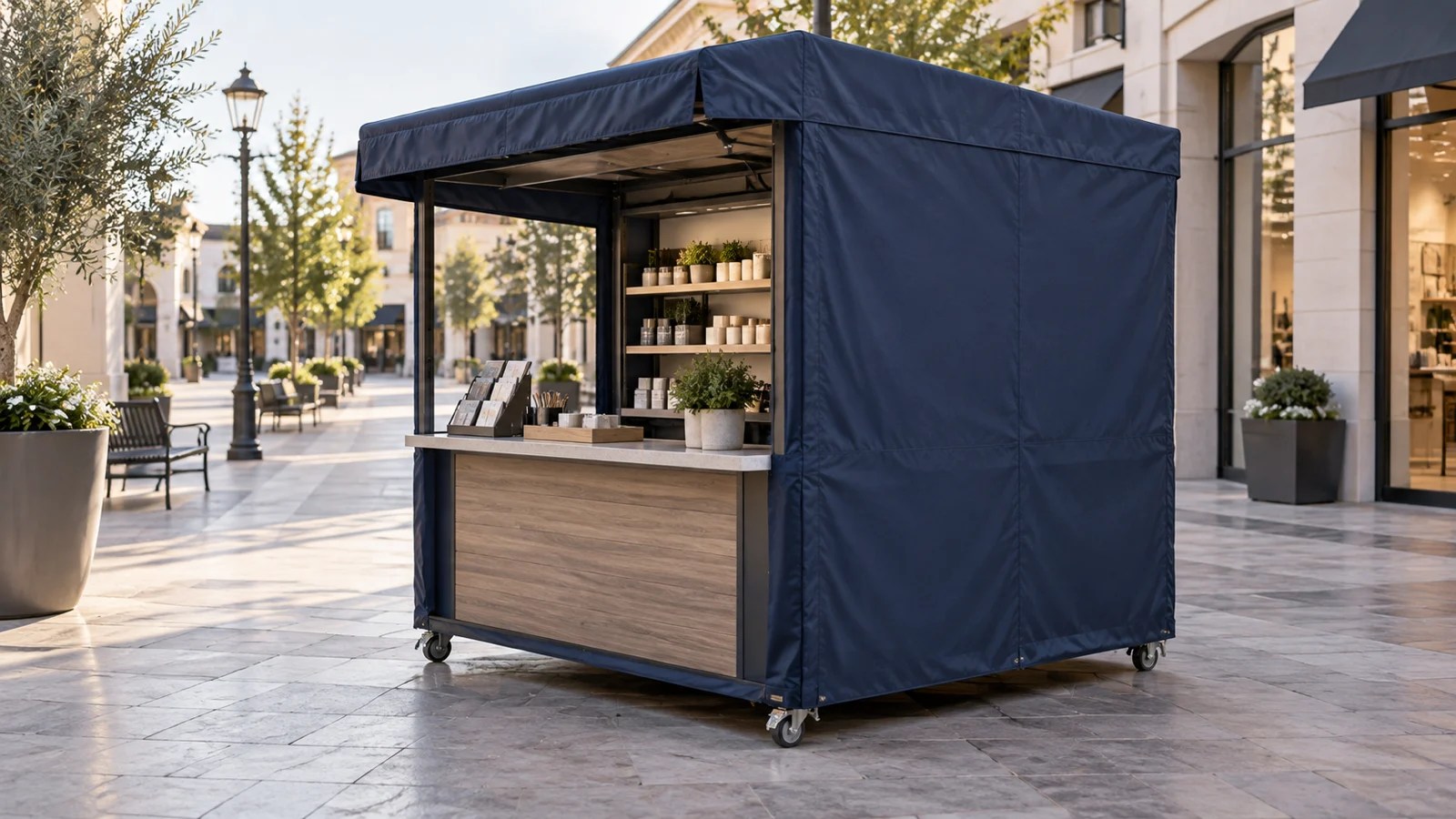
A retail merchandising unit can combine a roof or sign frame, projecting counter, display shelves, lockable cabinets, lighting, and casters. A custom RMU cover one side open must protect the closed faces while preserving a deliberate service opening rather than behaving like a simple rectangular kiosk cover.
Define whether the opening is needed only for staged setup or for limited access during storage. Remove products, paper, food, cash equipment, and loose signs. Switch off approved utilities, let electrical components cool, clean every surface, and never operate powered equipment or leave valuable inventory unattended inside a partly covered unit.
Define the Covered and Open Faces
Label the customer side, service side, left end, right end, and rear on a plan view. State exactly which face remains open and whether the opening begins below the roof valance, above the counter, or at the floor. Photographs should show the same orientation and final storage arrangement from every side.
Record the Maximum RMU Envelope
Follow How to Measure to capture maximum roof width and depth, overall height, body width, body depth, and caster stance. Measure rigid outer points, not flexible trim. Check both diagonals if the unit is modular, recently moved, or assembled from panels that may not be perfectly square.
Map Roofs, Sign Frames, and Valances
Measure roof thickness, fascia depth, sign frames, light boxes, crown pieces, antenna-like fixtures, and removable toppers. Note which components stay installed. A high sign or shallow roof overhang can change the top panel and seam placement even when the cabinet below appears rectangular.
Measure Counters and Customer Projections
Record counter width, depth, thickness, corner radii, transaction ledges, sneeze guards, brochure holders, and any return around the ends. Measure the distance from fixed corners to each projection. The pattern should follow the closed stored unit, not temporary displays that are removed after business hours.
Document Shelves, Doors, and Hardware
Locate display shelves, cabinet doors, hinges, locks, handles, drawer pulls, electrical inlets, and ventilation grilles. Close and latch every door before measuring. Mark hardware that can snag fabric, but do not rely on the cover to secure a door, hide cash, or substitute for the RMU’s own lock.
Specify the One-Side Opening
Measure the clear opening width and height plus the return depth at its top and both edges. Decide whether curtains, zippers, buckles, or a fixed three-sided shape best match the operating routine. The opening must not obstruct an emergency route or invite wind to inflate the cover like a sail.
Account for Casters, Toe Kicks, and Anchors
Record wheel diameter, swivel direction, brakes, leveling feet, tow points, toe kicks, and ground clearance. Park on level ground, orient swivel casters consistently, and apply the unit’s brakes. Keep lower closures away from wheels and never attach cover straps to a control cable or removable panel.
Choose Fabric for Commercial Handling
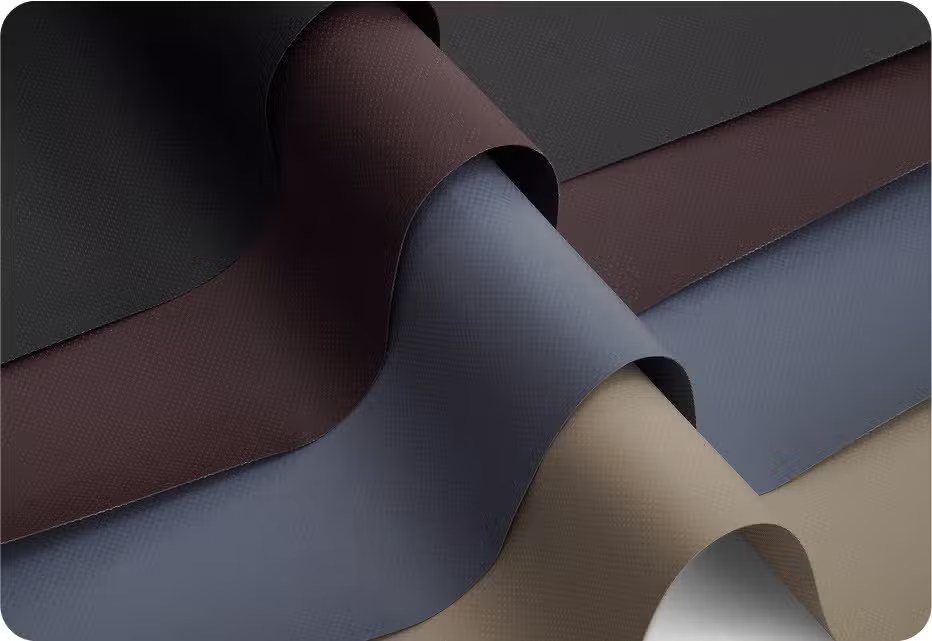
Compare abrasion resistance, water behavior, UV exposure, cleaning needs, and finished weight on Our Fabrics. Explore Equipment Covers and Commercial Sales. Daily staff handling may favor a manageable cover with reinforced contact zones and clearly identified orientation.
Plan Installation and Wind Management
Start at the roof and guide the cover over corners without pulling signs or counter trim. Secure only approved fixed points with moderate tension. Because one side remains open, discuss wind direction, sheltered placement, and removable closure options. Stop using the cover if it interferes with public circulation or becomes unstable.
Prepare the RMU Fit Brief
Send the unit model, orientation, covered faces, opening dimensions, roof profile, sign frame, counters, shelves, doors, utilities, casters, hem height, exposure, and labeled photos. Review the Custom RMU Cover — One Side Open, contact Business Inquiries, or Request a Quote.
Frequently Asked Questions
Can merchandise stay inside the covered RMU?
Remove sale items, food, cash equipment, documents, and loose displays unless the operator’s storage policy explicitly allows otherwise.
Which side should remain open?
Choose the repeatable service side that supports the real storage workflow without exposing sensitive equipment or blocking public circulation.
Can powered equipment run under the cover?
No unless the equipment maker expressly permits it and every required ventilation, heat, electrical, and access clearance remains unobstructed.
Turn the Details Into a Production-Ready Brief
A useful RMU specification separates protection from access. Accurate roof, counter, hardware, caster, and opening measurements help CoversForge evaluate a cover that staff can orient quickly while preserving the unit’s own security, ventilation, and operating rules. Request a Quote when the measurements and photographs are ready.
Share This Article


