 Business





Column Patio Heater Covers: Measure Tall Emitters, Access Panels, and Bases

A column heater uses a tall, narrow body instead of [...]
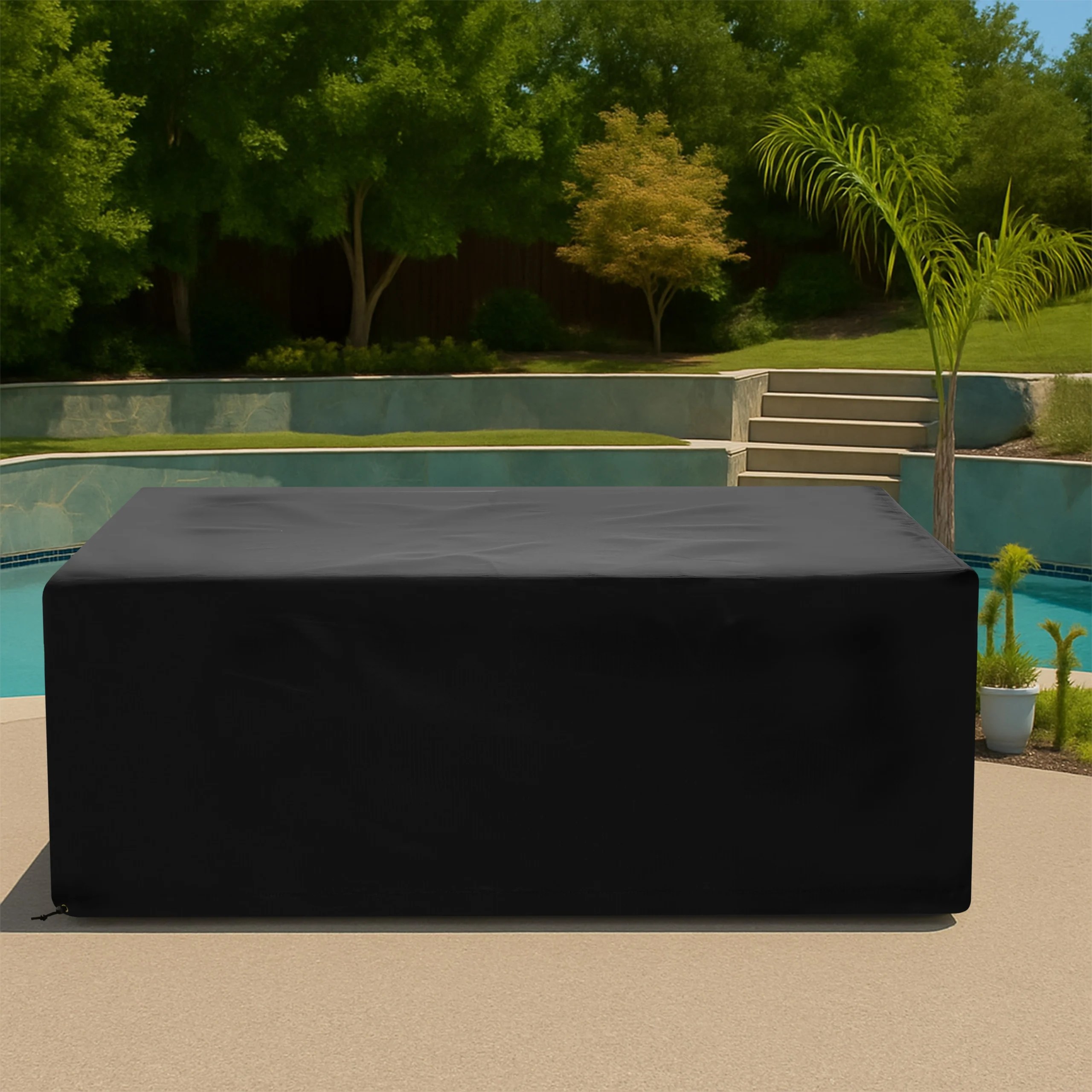
A column heater uses a tall, narrow body instead of the wide reflector found on mushroom-style units. The emitter, guard, control panel, access door, fuel compartment, vents, and broad weighted base still create several profiles. An outdoor column patio heater cover should be sized for the exact cooled and shut-down appliance.
Turn off the heater and fuel supply exactly as the manufacturer instructs. Disconnect or remove fuel only when the manual permits it, and allow the entire appliance to cool completely. Clean and dry the unit before measuring. Never cover a warm heater, operate it while covered, or block ventilation required for approved storage.

Confirm the Column-Heater Type
Record the manufacturer, model, fuel or power source, and whether the emitter sits inside a glass tube, metal guard, mesh cage, or solid housing. Photograph the front controls, rear service panel, top, base, and data plate. Similar silhouettes can require different clearances and storage procedures.
Set the Approved Storage Condition
Place the cooled heater upright on level ground with wheels or stabilizers in their normal position. Close access doors and secure only manufacturer-provided latches. Do not lean the unit, remove guards, or compress protective cages merely to shorten the cover. Follow all fuel-cylinder and electrical storage rules.
Measure the Tallest and Widest Points
Use How to Measure to record overall height from the ground, maximum width across the emitter or guards, maximum body depth, and base diameter or width. Measure the rigid envelope and note whether the top cap is domed, conical, flat, or offset.
Map the Emitter and Upper Guard
Measure emitter height, guard circumference or panel widths, top-cap projection, vertical seams, and the transition to the narrower body. Identify fragile glass or mesh zones. The cover should lower over them without scraping or side loading, and no closure should tighten directly across an emitter guard.
Document Controls and Service Panels
Locate ignition controls, switches, knobs, indicator windows, access doors, hinges, handles, regulators, cords, and reset points. Measure their projection from fixed body edges. The cover comes off before any control, door, valve, plug, or service point is touched; it is a storage layer, not an operating enclosure.
Record Vents and Fuel-Compartment Geometry
Mark all air inlets, exhaust openings, louvers, fuel-door gaps, hose paths, and approved cylinder location. Follow the manual for fuel storage and ventilation. Do not use a fitted cover to conceal leaks, damaged hoses, corrosion, or a cylinder stored in a manner the heater maker prohibits.
Measure the Base, Wheels, and Ground Gap
Record base diameter, height, wheel projection, handles, stabilizers, anchors, and the narrowest clearance around the lower body. Choose a hem height that covers the base without dragging on wet paving. Never fasten the cover to a removable fuel door or use it to stabilize a heater in unsafe wind.
Choose Fabric for Heat-Area Exposure
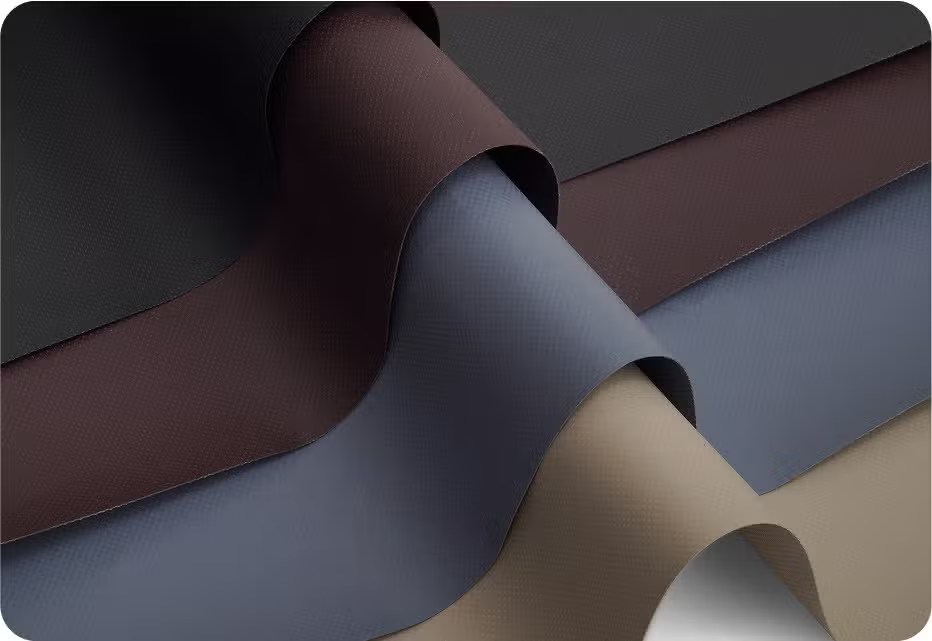
Compare UV resistance, water behavior, abrasion performance, flexibility, and finished weight on Our Fabrics. Browse Equipment Covers and Custom Covers. Fabric selection never reduces the required cool-down time or authorizes operation under cover.
Install Without Side-Loading the Column
Confirm the heater is cold and off, align the top panel, and lower the cover evenly with two people when the unit is tall or heavy. Do not climb on furniture or pull against the column. Secure approved lower points gently and move the covered heater only as the manufacturer permits.
Prepare the Column-Heater Fit Brief
Send the model, power source, approved storage condition, overall envelope, top profile, emitter and guard, controls, vents, service doors, fuel zone, base, wheels, hem height, exposure, and labeled photos. Review the Outdoor Column Patio Heater Custom Covers or Request a Quote.
Frequently Asked Questions
How long should the heater cool before covering?
Use the manufacturer’s required cool-down procedure and confirm every surface is cold. Do not rely on a fixed generic time.
Can a fuel cylinder remain inside?
Only if the heater and fuel manufacturers permit that exact storage condition and required ventilation remains available.
Will the cover stabilize the heater in wind?
No. Use only manufacturer-approved anchors or storage methods and relocate the unit when conditions exceed its safe limits.
Turn the Details Into a Production-Ready Brief
Column heaters look simple, but their emitter, service hardware, ventilation, and base each control the fit. A careful cooled-storage brief lets CoversForge review coverage without confusing weather protection with heat shielding, fuel safety, or structural anchoring. Request a Quote when the measurements and photographs are ready.
Share This Article

Written by : CoversForge
Follow Us
Latest Articles

September 19, 2026

September 19, 2026
