 Business





Boat Center Console Covers: Fit Windscreens, Rails, Electronics, and Helm Seats

A center console often stacks several fragile and irregular features [...]
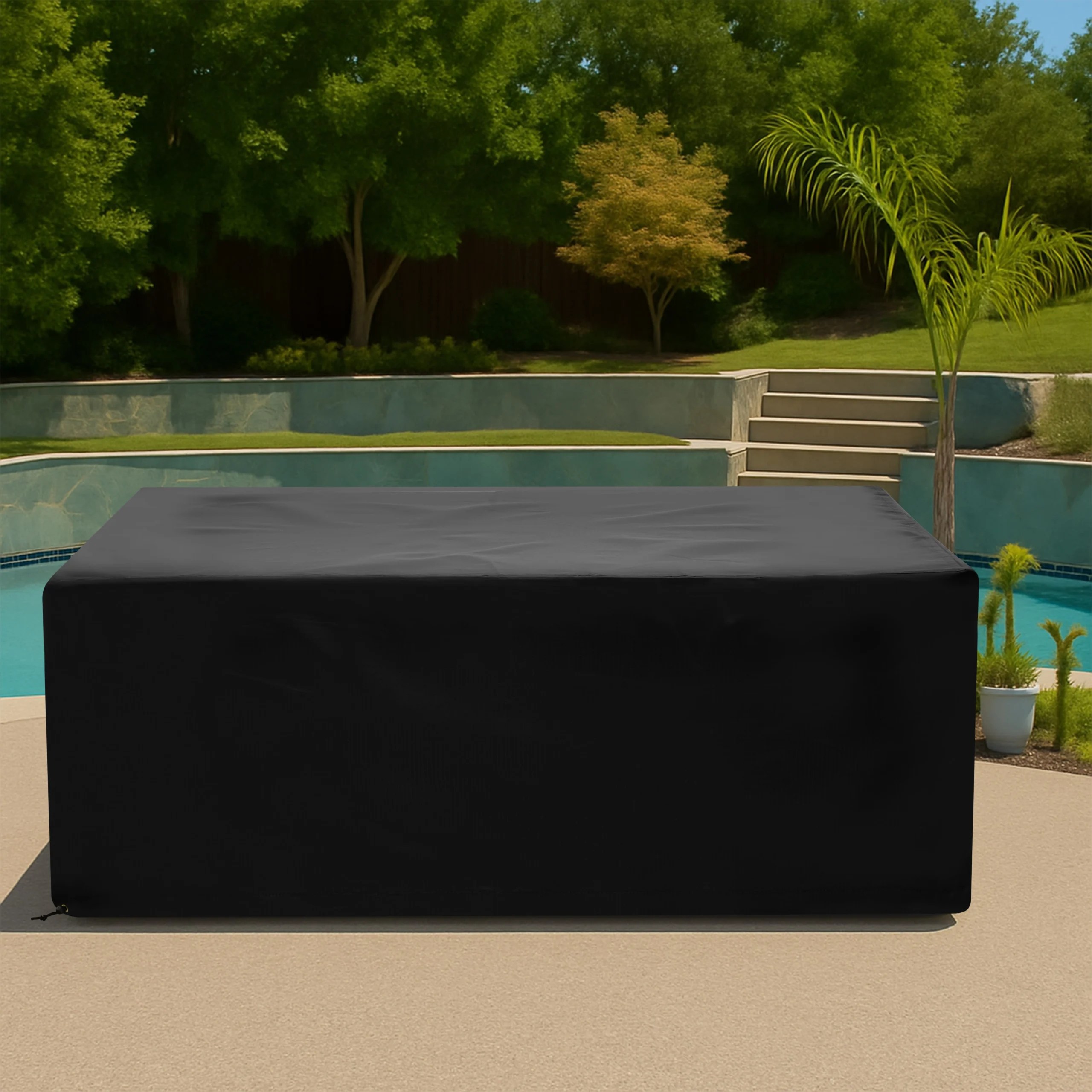
A center console often stacks several fragile and irregular features above a compact deck footprint: windscreen, grab rail, displays, steering wheel, throttle, switches, compass, antenna mounts, and a forward seat. A custom boat center console cover should map those elevations without turning a local helm cover into a loose full-boat tarp.
Measure the boat securely tied at the dock or supported according to the manufacturer. Switch off batteries and electronics as directed, remove keys and loose gear, close compartments, dry the helm, and stow detachable antennas. Never cover hot equipment, run electronics under the cover, or work over open water without appropriate precautions.

Define the Console Coverage Boundary
Decide whether the cover includes only the console body or also the forward seat, leaning post, helm seat, overhead T-top connection, and footrest. Mark the deck footprint and the intended lower edge on photographs. A precise boundary prevents the cover from drifting into gunwale hardware or trapping access hatches.
Measure the Deck Footprint and Overall Height
Use How to Measure to record maximum width across rails or controls, depth from the forward seat to the aft helm projection, and height from the deck to the tallest permanent feature. Use straight spans between fixed points and include clearance for steering and throttle positions.
Map the Windscreen and Grab Rail
Measure windscreen width, height, rake, thickness, corner shape, and distance from the console edges. Record the outer path of the stainless grab rail and every support. Add soft protection over sharp corners before installation, and never use the rail as a lifting handle for the cover.
Document Electronics and Instrument Pods
Locate chartplotters, multifunction displays, gauges, compass, VHF units, speaker grilles, switch panels, and removable electronics. Measure installed pods in their normal storage position. Remove portable devices and follow each manufacturer’s ventilation and storage guidance; fabric protection does not replace watertight equipment housings.
Record Steering, Throttle, and Control Projections
Center or park the wheel in a repeatable position and note its diameter, tilt, spinner knob, and distance from the dash. Record throttle levers, joystick controls, trim tabs, ignition switches, cup holders, and cable runs. Do not force a control inward merely to reduce the dimensions.
Include Seats, Doors, and Footrests
Measure the forward console seat, cushion thickness, backrest, livewell or storage lid, helm access door, fold-down footrest, and leaning pad if included. Close all lids and doors. Remove loose cushions when recommended and mark components that need independent access after the main cover is removed.
Plan Around T-Tops and Antenna Hardware
If the console sits below a T-top, document vertical posts, brackets, rod holders, lights, and the point where the cover passes around the frame. Stow removable antennas and outriggers. Do not create tight load paths against wiring, welds, or sharp mounting plates, and maintain manufacturer-required drainage paths.
Choose Fabric for Salt, Sun, and Handling
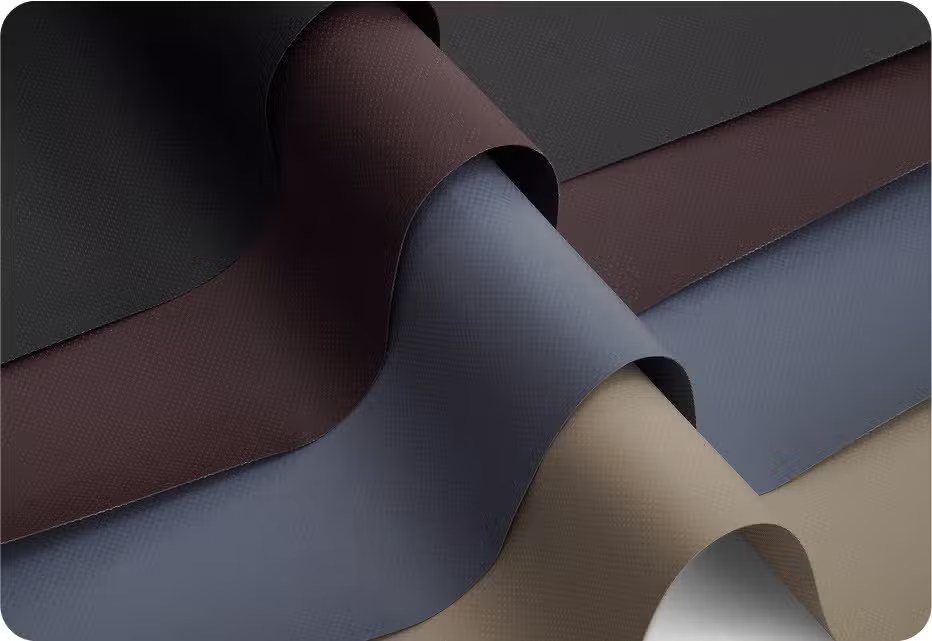
Compare UV resistance, water behavior, abrasion performance, cleaning needs, and flexibility on Our Fabrics. Browse Custom Covers. Marine exposure adds salt and repeated handling, so the console must be rinsed and dry before storage and the fabric should not drag across gelcoat.
Install From the Tallest Point Down
Align the cover over the tallest protected feature, guide it around the windscreen and rail, and lower it evenly. Secure approved deck-level points without crossing controls, hinges, vents, or emergency equipment. Confirm the bilge and deck can drain and the helm cannot be operated while covered.
Prepare the Center-Console Fit Brief
Send the boat and console models, coverage boundary, deck footprint, total height, windscreen rake, rail path, electronics, controls, seats, T-top intersections, lower edge, storage location, and labeled photos. Review the Custom Boat Center Console Covers or Request a Quote.
Frequently Asked Questions
Should I remove portable electronics first?
Yes. Remove keys and portable devices, then follow each electronics maker’s shutdown, ventilation, and storage instructions.
Can the cover include the forward console seat?
Yes when the seat, cushion, lid, and console share a stable repeatable profile that is documented in the fit brief.
May I tow the boat with this cover installed?
Only use a cover specifically engineered and approved for trailering. A storage cover should not be assumed safe at road speed.
Turn the Details Into a Production-Ready Brief
A center-console pattern works best when the windscreen, rail, electronics, controls, and seat are measured as separate profiles above one deck footprint. That detail helps CoversForge review a local helm cover that is easier to orient and safer to handle around marine hardware. Request a Quote when the measurements and photographs are ready.
Share This Article


