 Business





Vintage Car Covers: Measure Mirrors, Hood Ornaments, Bumpers, Antennas, and Tires

A restored vintage car often has a longer hood, narrower [...]
A restored vintage car often has a longer hood, narrower cabin, pronounced fenders, chrome bumpers, hood ornaments, and mirrors that do not match modern vehicle proportions. A custom fit vintage car cover should be based on the exact car, its permanent accessories, and the way it is parked for storage.
Wash away grit, let the body and tires dry, and wait until the engine and exhaust are fully cool. Retract only the parts the vehicle maker permits. Never install a cover over a hot, wet, freshly painted, or chemically treated surface, and remove it completely before starting or moving the car.

Document the Exact Vehicle Configuration
Record the year, make, model, body style, wheelbase, and any restoration changes. Photograph the front, rear, both profiles, roofline, and every permanent accessory. Convertibles should be measured with the approved storage roof fully latched. A rumble seat, continental kit, external spare, visor, or luggage rack changes the envelope and must be listed.
Set a Repeatable Parking Position
Park on level ground with the wheels straight, windows closed, antenna in its approved position, and mirrors set exactly as they will remain. Remove loose signs, flags, magnetic accessories, and temporary show items. Mark the front of the measuring sketch so the finished cover orientation is obvious during every installation.
Measure the Maximum Body Envelope
Follow How to Measure to capture overall length from the forwardmost rigid point to the rearwardmost point, maximum width across fixed projections, and height from the ground to the highest roof feature. Measure straight horizontal and vertical spans rather than following the body curve with the tape.
Map Hood Ornaments and Chrome Projections
Locate hood ornaments, radiator caps, bumper guards, grille peaks, tail fins, door handles, and brightwork from fixed body references. Record height and projection at each point. Fragile ornaments may need a shaped pocket or generous local clearance; the fabric must not be pulled tightly across plated edges or delicate emblems.
Record Mirrors, Antennas, and Roof Details
Measure each mirror independently because period-correct mirrors may be mounted on doors, fenders, or only one side. Note antenna base, mast angle, roof visor, spotlight, landau bar, and rain gutter. Retract or remove an antenna only when its manufacturer permits; never bend a mast under tensioned fabric.
Capture Bumpers, Tires, and Lower Clearance
Measure bumper width and projection, tire outside-to-outside width, running boards, wheel arches, exhaust tips, mud flaps, and ground clearance. Decide where the hem should finish without rubbing the floor or trapping cleaning water. Keep straps away from hot exhaust components, sharp brackets, and painted wheel covers.
Choose Fabric for the Storage Environment
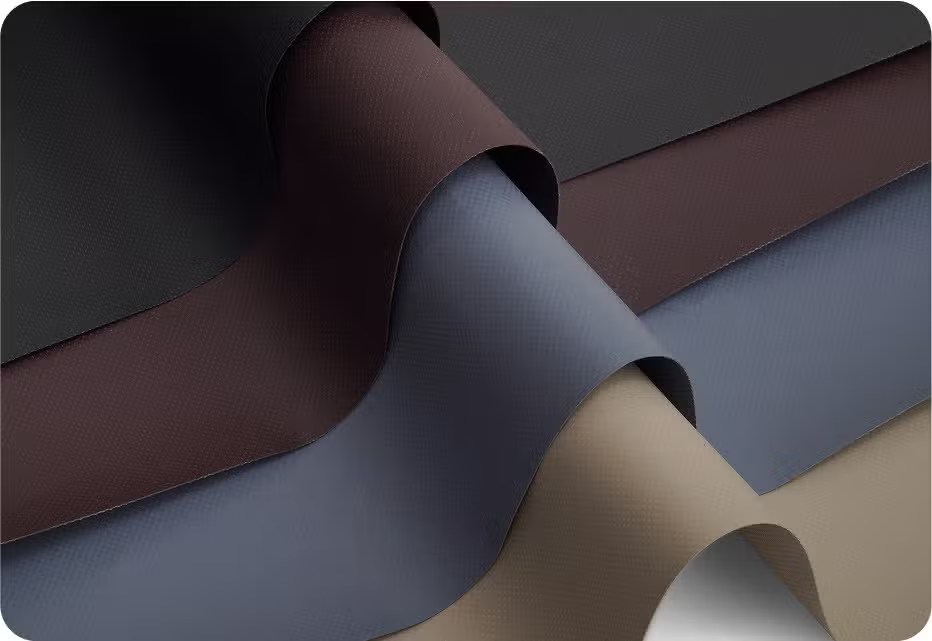
Compare softness, water behavior, UV resistance, abrasion performance, and handling weight on Our Fabrics. Browse related Vehicle Covers and Custom Covers. A climate-controlled garage and an exposed driveway require different priorities, but the car must always be clean and dry first.
Protect Paint, Chrome, and Ventilation Paths
Confirm coating-cure times with the paint or detailing product manufacturer. Avoid trapping fuel vapor, battery gases, or moisture, and preserve any ventilation required by the vehicle manual. Do not use the cover as a substitute for a dry, secure storage site or allow it to flap against polished bodywork in strong wind.
Install Without Dragging Across the Finish
Identify front and rear, place the folded cover on a clean protected area, and unfold it along the centerline. Guide mirror or ornament pockets into position before lowering the sides. Use two people for long vehicles. Lift the cover during removal instead of dragging it over hood edges, fins, or bumpers.
Prepare the Vintage-Car Fit Brief
Send the vehicle identity, body configuration, overall envelope, projection map, mirror and antenna positions, bumper and tire details, hem preference, storage exposure, finish notes, and labeled photos. Review the Custom Fit Vintage Car Cover or Request a Quote.
Frequently Asked Questions
Should I fold the mirrors before measuring?
Only if the mirrors are designed to fold and will always be stored in that exact position. Fixed period mirrors must be included in the measured width.
Can a cover go over fresh paint or wax?
Follow the coating or product maker’s cure guidance. The surface must be fully cured, clean, cool, and dry before covering.
Do hood ornaments need their own measurements?
Yes. Record their height, base, projection, and location so concentrated pressure can be avoided.
Turn the Details Into a Production-Ready Brief
A vintage car deserves a fit brief as careful as its restoration record. Accurate projections, a repeatable parking setup, finish-safe handling, and clear storage limits help CoversForge review a cover that protects without treating a classic body like a modern generic shape. Request a Quote when the measurements and photographs are ready.
Share This Article

Written by : CoversForge
Follow Us
Latest Articles

September 17, 2026

September 17, 2026
