 Business


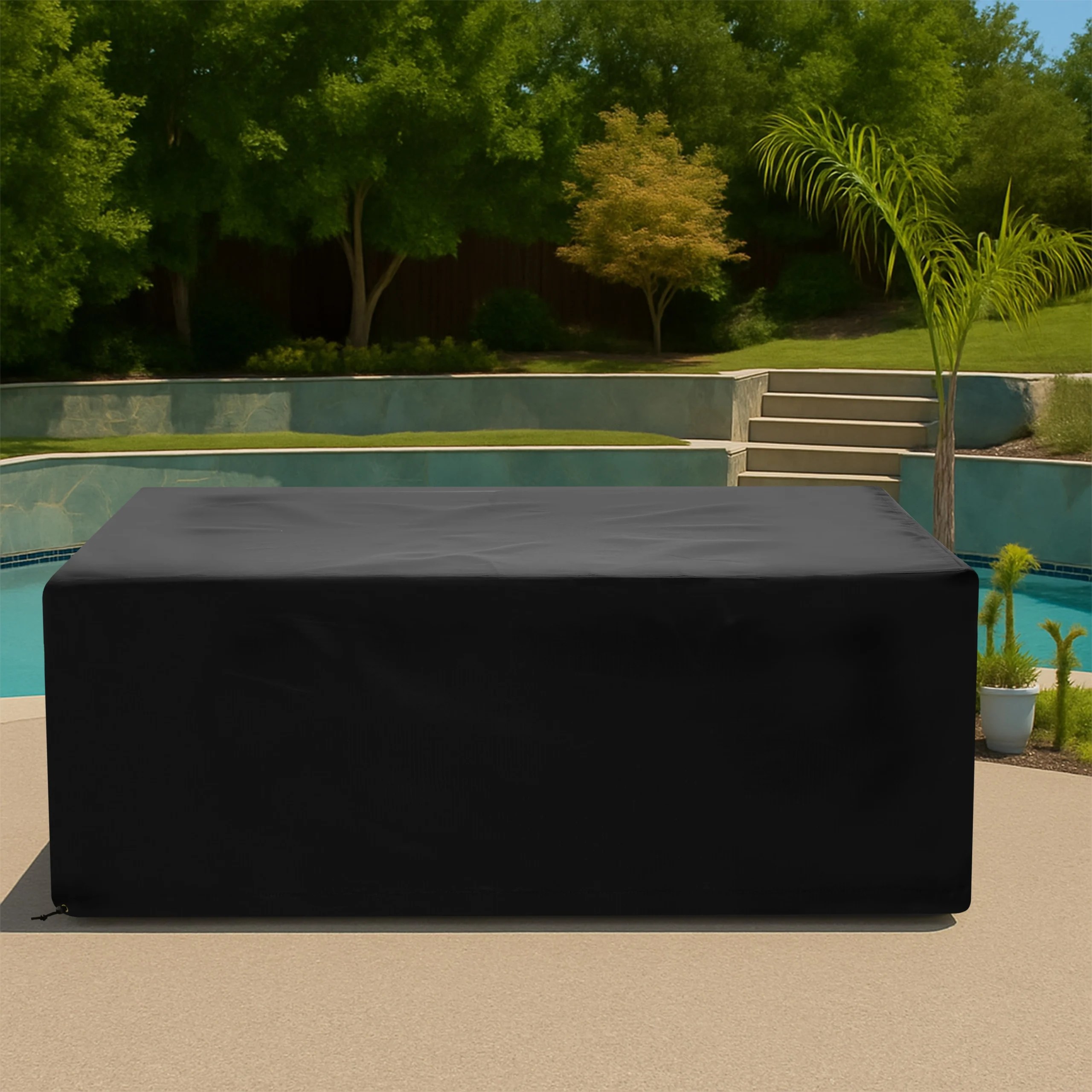



Stationary Console Table Covers: Measure Tops, Legs, Shelves, and Wall Clearance

A console table is shallow and tall, often with a [...]
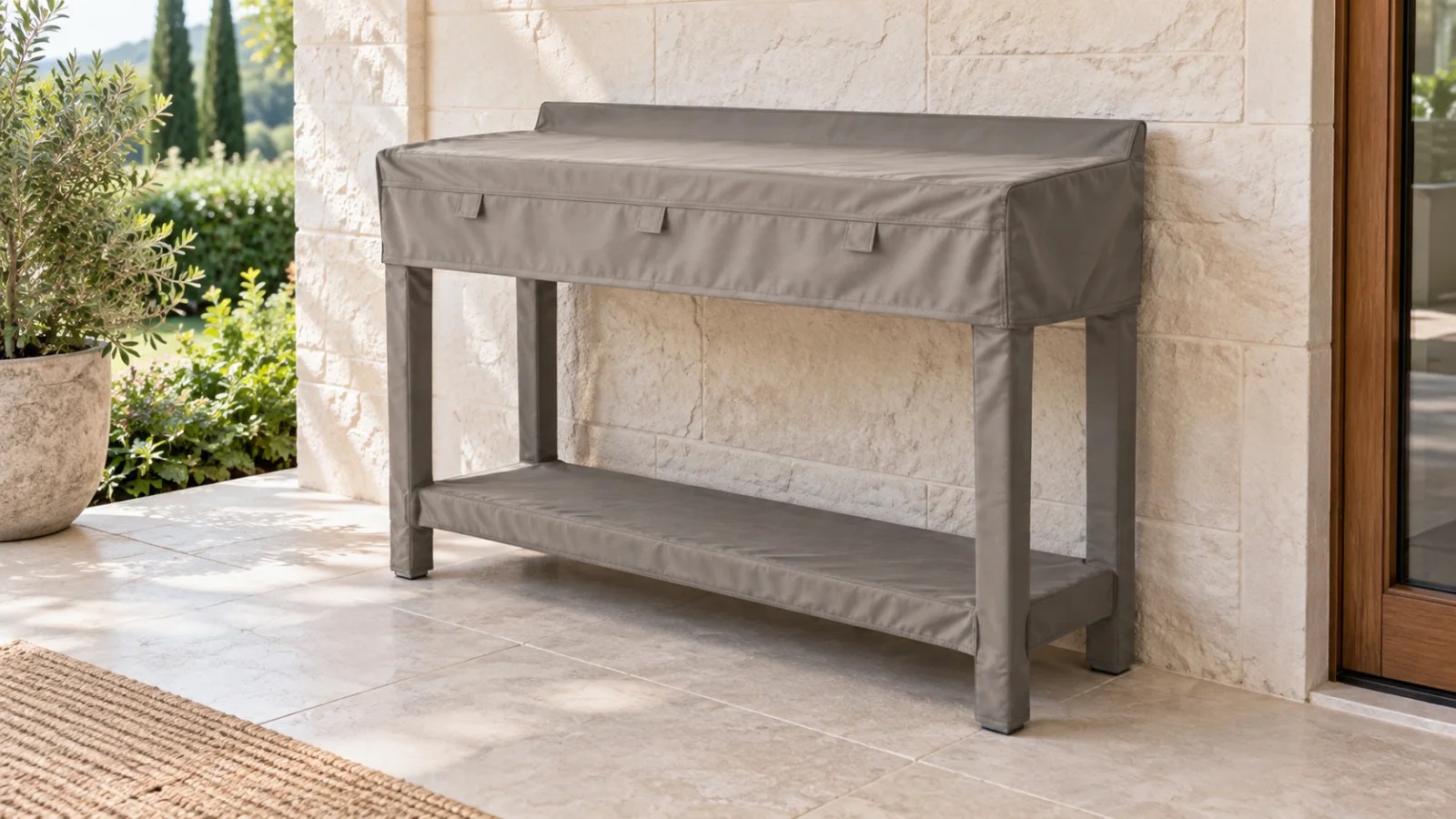
A console table is shallow and tall, often with a projecting top, narrow legs, lower shelf, drawers, or a raised back edge. Its slim footprint can make a generic cover twist or billow. A stationary console table custom cover should reflect the actual top, base, and storage position rather than a simple furniture category.
Clear lamps, planters, décor, serving pieces, and loose hardware, then clean and dry the table. Place it on level ground where it will remain. The cover is for empty stationary storage; remove it before opening drawers, accessing outlets, loading shelves, or moving the furniture.
Confirm the Console Table Style
Identify whether the table has an open frame, cabinet base, drawers, doors, stretcher, lower shelf, raised gallery, or backsplash. Mark the front and wall side. Photograph the top, both ends, rear, underside, and feet so asymmetrical hardware or a wall-facing projection is not missed.
Set the Final Storage Location
Position the table with the wall gap, floor protection, and leveling feet it will use under the cover. Do not measure against a wall and later move it into open wind exposure without revisiting attachment needs. Record nearby outlets, downspouts, irrigation, roof drips, and traffic paths.
Measure Top Width, Depth, and Overhang
Follow How to Measure to capture the maximum top width and depth at rigid outer edges. Record front, rear, and side overhangs separately. Include stone lips, tile edges, live-edge curves, raised rims, and backsplashes that extend beyond the base.
Record Overall Height and Back Details
Measure from the ground to the highest fixed point, including a gallery rail, mirror bracket, backsplash, or decorative finial that remains installed. Note the rear profile and wall clearance. Do not trap electrical cords or use a mounted mirror as a support for the cover.
Map Legs, Stretchers, and Lower Shelves
Measure leg spacing at the top and floor, outside foot span, stretcher position, shelf height, and any flared or crossed base. A table can be narrower through the center than at its feet. Locate sharp joinery, adjustable glides, and open gaps where wind could press fabric inward.
Document Drawers, Doors, and Hardware
Measure knobs, pulls, hinges, handles, keyholes, and door projections from fixed edges. Close and latch all storage components before covering. The cover should be removed completely before opening them; access seams are not a reason to use drawers while fabric can catch on hardware.
Choose Fabric for a Narrow Upright Form
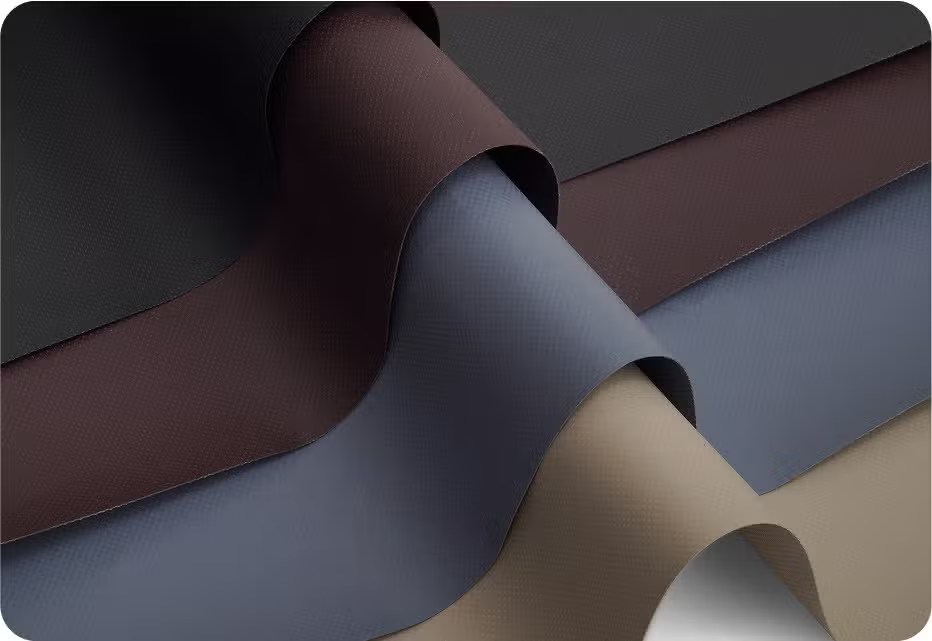
Compare flexibility, UV resistance, water behavior, abrasion performance, and handling weight on Our Fabrics. Browse Patio Furniture Covers and Custom Covers. A slim console benefits from a defined front, controlled hem, and attachment points that do not distort delicate legs.
Plan Drainage Across a Flat Top
Flat console tops can hold water when a cover sags between raised edges. Record the natural slope and likely runoff direction. Discuss only stable supports that cannot scratch the finish or tip. Keep the table away from roof discharge and ensure the hem stays above pooled deck water.
Install Without Pulling the Table Forward
Align the wall-side panel and top seam before lowering the front. Guide the cover past knobs and corners instead of tugging the table away from the wall. Secure approved lower points lightly and keep closures off the floor. Remove and dry the cover before using the surface again.
Prepare the Console-Table Fit Brief
Send the table style, top and overhang dimensions, overall height, back details, legs, shelf, hardware, wall gap, hem height, exposure, material, and labeled photos. Review the Stationary Console Table Custom Covers or Request a Quote.
Frequently Asked Questions
Should décor stay on the table under the cover?
No. Clear all loose objects and measure the empty table in its repeatable storage configuration.
Does the wall gap affect the cover?
Yes. Record the final gap and every rear projection so the cover can be installed without dragging the table.
Do I include drawer pulls in the depth?
Include any fixed hardware that projects beyond the top or base envelope and could contact the fabric.
Turn the Details Into a Production-Ready Brief
A narrow console table stays easier to protect when the specification captures both the broad top and the delicate base. Clear overhang measurements, wall clearance, hardware locations, and drainage decisions give CoversForge the information needed to review a stable, practical fit. Request a Quote when the measurements and photographs are ready.
Share This Article

Written by : CoversForge
Follow Us
Latest Articles

September 17, 2026

September 17, 2026
