 Business





Hot Tub Covers: Measure Shells, Cabinets, Controls, and Lift Clearance

A hot tub combines a broad shell lip with a [...]
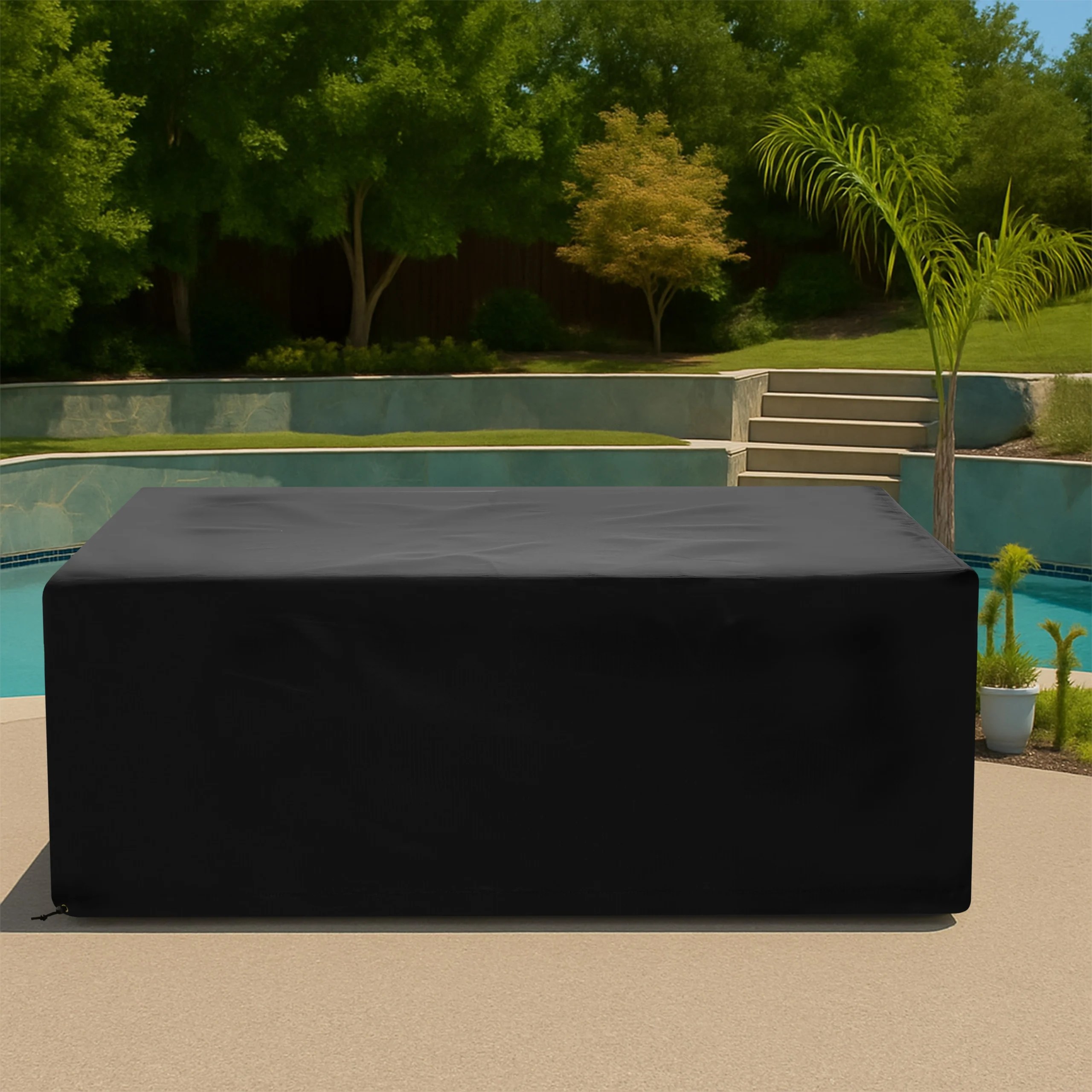
A hot tub combines a broad shell lip with a cabinet, control panel, access doors, plumbing, steps, and sometimes a cover lifter or handrail. A custom hot tub cover should be specified around the exact protected assembly and the maker’s ventilation and service requirements, not treated as a simple square box.
This guide concerns an outer protective cover, not a load-bearing insulated safety lid. Follow the spa manufacturer, electrical code, and local barrier rules. Disconnect or operate power only as instructed. Never cover occupied water, obstruct required ventilation, or let children or pets climb on a non-load-rated protective cover.

Define What the Cover Will Enclose
Decide whether the protective cover surrounds only the cabinet and closed insulated lid or also includes fixed steps, a lifter, handrails, and permanent accessories. Do not include removable towels, chemicals, drink trays, or cleaning tools. Photograph the spa from all sides in the exact closed storage configuration.
Confirm Manufacturer Clearances
Read the spa and lifter manuals for airflow, motor, pump, electrical, exhaust, drain, and service clearances. Mark panels that technicians must access after the outer cover is removed. A fabric cover must never substitute for the approved insulated lid, safety locks, fence, alarm, or other required barrier.
Measure the Shell and Cabinet Envelope
Follow How to Measure to record maximum width and depth across the shell lip, total height from the deck to the closed lid, and cabinet dimensions below. Measure rigid edges at several points because molded shells and bowed panels may not be perfectly square.
Map Corners, Lips, and Lid Profiles
Record corner radii, beveled sides, waterfall edges, headrest projections, lid crown, hinge line, skirt depth, and any difference between shell and cabinet footprints. Use a square and straightedge for reference rather than wrapping the tape around curves. Note fragile trim that should not carry fabric tension.
Document Controls and Electrical Zones
Locate the topside control panel, auxiliary buttons, speakers, lights, disconnect, cable route, and electrical enclosure. Keep manufacturer-required ventilation and inspection areas clear. The outer cover must be removed before operating controls, opening panels, servicing equipment, or using the spa.
Measure Steps, Rails, and Cover Lifters
Measure steps only if they are fixed and intentionally enclosed. Record handrail height and reach, lifter arms, hinge bars, rear standoff, and the space needed for the insulated lid to move. Choose one storage position for each accessory and never operate a lifter while the outer protective cover is installed.
Choose Fabric for Wet Outdoor Areas
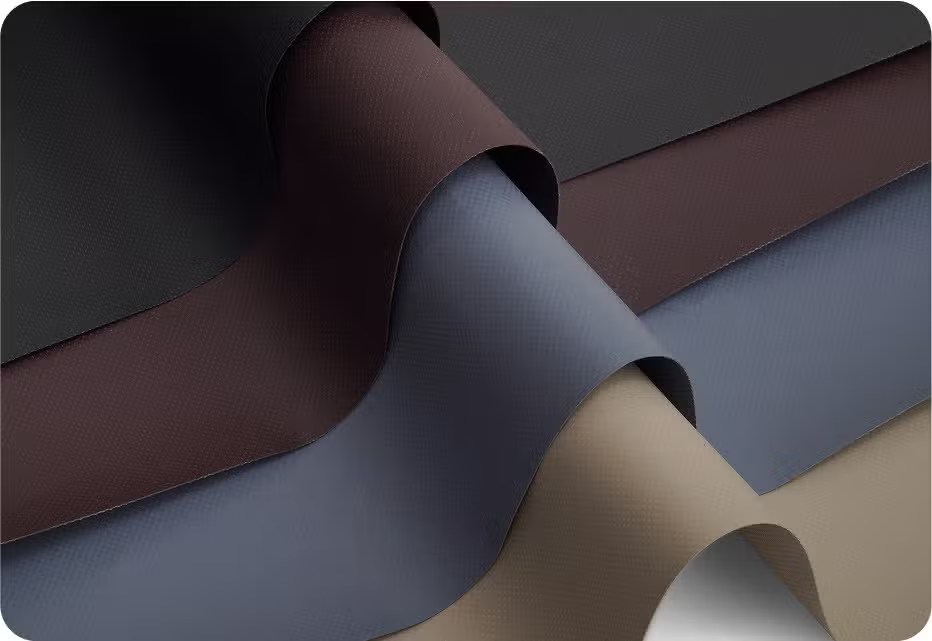
Compare UV resistance, water behavior, abrasion performance, mildew-cleaning practices, and handling weight on Our Fabrics. Browse Custom Covers. The surrounding deck and spa exterior should be clean and dry before installation, even though the equipment is designed for a wet environment.
Plan Drainage and Deck Clearance
Map deck slope, drains, snow or rainfall exposure, roof runoff, and splash zones. Keep the hem above standing water and do not seal water against cabinet vents or access doors. Any support used to shed water must be stable, spa-safe, and approved; never create a climbable or load-bearing surface.
Install With the Safety Lid Closed
Close and lock the approved insulated lid first. Align the protective cover to controls and lifter geometry, lower it evenly, and secure only approved points. Keep straps away from steps and walkways. Remove the outer cover fully before unlocking the lid, operating controls, opening access panels, or entering the spa.
Prepare the Hot-Tub Fit Brief
Send the spa make and model, protected configuration, shell and cabinet dimensions, corner radii, lid profile, controls, vents, panels, steps, rails, lifter clearance, hem height, exposure, and labeled photos. Review Hot Tub Covers or Request a Quote.
Frequently Asked Questions
Is this a replacement for the insulated safety lid?
No. It is an outer protective cover and must not replace the approved locked, load-rated, or code-required safety system.
Can the cover stay on while the spa runs?
Follow the spa manufacturer. Never obstruct required ventilation, controls, exhaust, or service access, and remove the outer cover before use.
Should removable steps be included?
Only if they have one fixed storage position and the spa, barrier, and child-safety rules allow that configuration.
Turn the Details Into a Production-Ready Brief
A safe hot-tub specification separates weather protection from the spa’s engineered lid and barriers. Complete shell measurements, documented lifter movement, open ventilation, dry deck clearance, and strict removal rules give CoversForge a practical basis for reviewing the fit. Request a Quote when the measurements and photographs are ready.
Share This Article

Written by : CoversForge
Follow Us
Latest Articles
September 16, 2026
September 16, 2026
September 16, 2026