 Business





Stationary Exercise Bike Covers: Measure Consoles, Handlebars, Pedals, and Bases

A stationary exercise bike has a tall console and handlebar [...]
A stationary exercise bike has a tall console and handlebar cluster above a narrow frame, plus pedals, crank arms, flywheel housing, seat adjustment hardware, and wide stabilizer feet below. A custom stationary exercise bike cover needs the full operating geometry translated into one powered-off storage profile.
Unplug the bike when its manufacturer instructs, let electronics and moving parts cool, wipe away sweat, and dry the frame completely. Remove bottles, towels, headphones, and loose accessories. A cover is for storage only; remove it before mounting, pedaling, adjusting, charging, or servicing the bike.

Identify the Bike Style
Confirm whether the unit is upright, indoor-cycle, recumbent, or folding. This guide focuses on an upright stationary bike. Photograph both sides, front, rear, and the console. Record the model and permanent accessories so the measured configuration can be recreated after seat or handlebar adjustments. Also note any factory clearance requirements around sensors, vents, and moving joints.
Set a Repeatable Storage Position
Center the handlebars, set the seat and console to the chosen storage heights, and lock every adjustment knob. Position pedals as recommended by the manufacturer. Do not collapse a folding joint unless folded storage is approved and will be used every time the cover is installed.
Measure Maximum Height and Length
Follow How to Measure to capture height from the floor to the highest console or handlebar point and length from the forward stabilizer to the rear foot. Measure the frame on level flooring and include transport wheels, caps, and rear leveling pads.
Map the Console and Handlebars
Measure console width, depth, height, tilt, screen projection, control knobs, tablet shelf, fans, and handlebar ends. Locate the highest and widest points from fixed base references. Protect displays from concentrated pressure and keep fabric from entering ventilation openings or cable ports.
Record Seat and Adjustment Hardware
Measure seat width, depth, height, post projection, fore-aft rail, and adjustment knobs. Note whether the seat is wider than the frame below. The chosen setting should be locked before covering; do not use the cover to hold a telescoping post or loose lever in place.
Capture Pedals, Cranks, and Flywheel Housing
Record pedal-to-pedal width at the selected orientation, crank projection, straps or cages, and the widest flywheel or drive shroud. Keep fabric clear of sharp pedal edges. Do not rotate the crank or test resistance while any portion of the cover is installed.
Measure Stabilizers and Power Connections
Document the full front and rear foot widths, transport wheels, leveling pads, power inlet, plug, and cable routing. Disconnect or store the cable according to the bike manual. The hem should not trap the cord, block inspection, or drag on a floor where cleaning moisture can collect.
Choose Fabric for Indoor Equipment
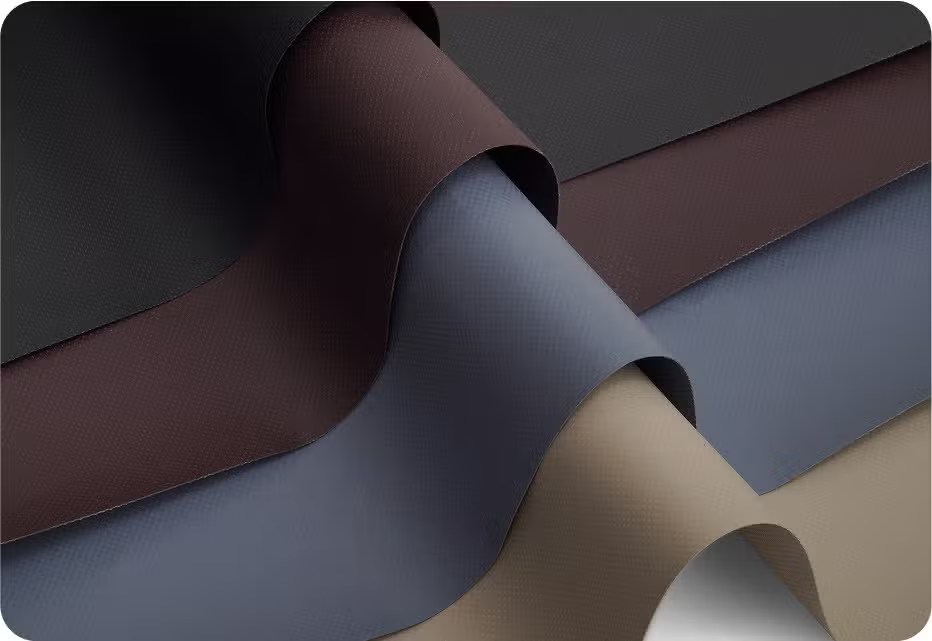
Compare dust protection, flexibility, abrasion performance, handling weight, and cleaning requirements on Our Fabrics. Browse related Equipment Covers and Custom Covers. Indoor equipment still needs breathable handling habits and a fully dry machine.
Install Without Pressing Electronics
Align the console panel first and guide the cover down around the handlebars, seat, and frame. Use a designed zipper path without scraping the display. Keep the lower panel outside the pedals and stabilizers, and secure it lightly only when the bike is powered off and stationary.
Prepare the Exercise-Bike Fit Brief
Send the bike style and model, storage settings, overall envelope, console and handlebar profile, seat, pedals, flywheel housing, stabilizers, cable plan, hem height, environment, and labeled photos. Review the Stationary Exercise Bike Covers or Request a Quote.
Frequently Asked Questions
Should the bike stay plugged in under the cover?
Follow the manufacturer. When unplugging is required, disconnect and route the cable safely before installing the cover.
Do I measure with the seat raised?
Measure the single locked storage height you intend to use every time.
Can I pedal briefly with the cover partly on?
No. Remove the cover completely before mounting, moving pedals, powering the console, or adjusting the machine.
Turn the Measurements Into a Clear Cover Brief
A dependable made-to-measure cover starts with one repeatable storage position, complete dimensions, labeled photos, safe-use limits, and a practical handling routine. CoversForge can review fit, fabric, access, exposure, and quantity for the documented application. Request a Quote when the specification is ready.
Share This Article

Written by : CoversForge
Follow Us
Latest Articles
September 16, 2026
September 16, 2026
September 16, 2026