 Business





Lounge Chair Covers With Attached Side Tables: Fit Two Heights Under One Cover

A lounge chair with an attached side table combines a [...]
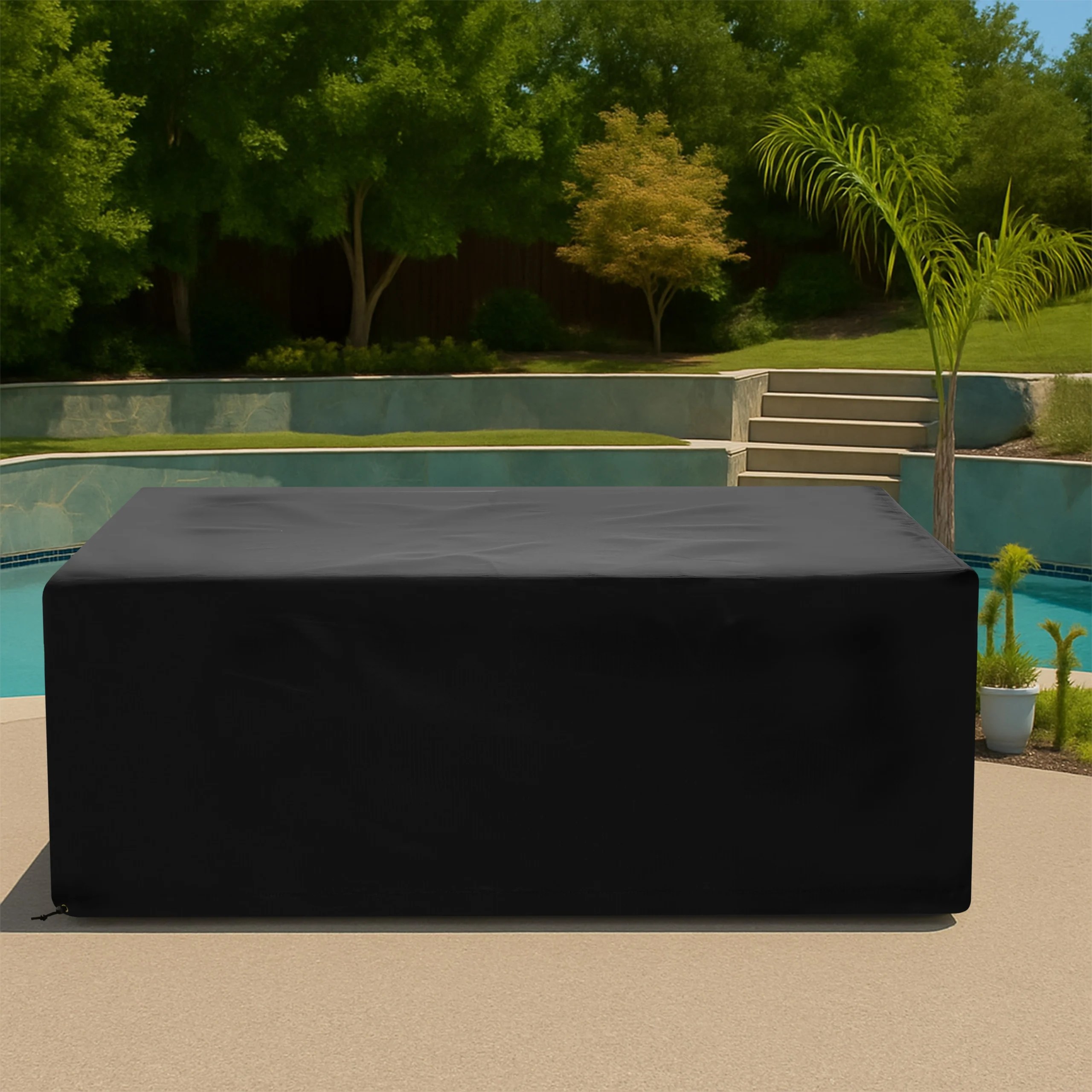
A lounge chair with an attached side table combines a sloped seating profile and a lower flat platform in one rigid footprint. The joint between them, adjustable back, cushions, tabletop rim, and uneven feet all affect the cover shape. A custom lounge chair with attached side table cover should preserve both heights without creating a tight bridge or deep water pocket.
Choose one safe storage angle, clear the table, and remove cushions that are not approved for covered outdoor storage. Clean and dry the full assembly. The cover is only for stationary protection; take it off completely before reclining, sitting, opening the table, or moving the unit.

Confirm the Integrated Layout
Identify which side holds the table when viewed from the foot of the lounge. Photograph the chair from both sides and above. Record whether the table is permanently joined, hinged, sliding, or removable. The final orientation must be explicit because reversing it puts the low panel and high back in the wrong positions.
Lock One Recline Position
Set the backrest to the maker-approved storage angle and engage every lock. Mark the notch or adjustment setting so it can be repeated. Do not measure the chair partly folded or rely on a movable back to push against the cover; the rigid stored position defines the high profile.
Measure the Combined Footprint
Use How to Measure to record overall length and maximum width across both chair and table. Then measure the chair width, table width, and joint gap separately. Include side rails, wheels, handles, and any tabletop projection beyond the supporting frame.
Map the Chair High Points
Record backrest height, top thickness, seat height, front rail, foot end, arm or handle projections, and cushion profile. Measure the horizontal location of the highest point from the foot end. These coordinates help a shaped upper panel settle without pulling across the reclining back.
Measure the Attached Table
Capture tabletop length, width, height, edge thickness, raised rim, cup holders, and lower shelf. Clear every loose object. If the table contains a lid or storage compartment, measure it fully closed and remove the cover before opening it; an operating flap is not a substitute for safe access.
Document the Connection Zone
Measure brackets, shared rails, gaps, hinges, and changes in height where the table joins the chair. Note sharp edges and pinch points. The cover should span the assembly with controlled ease, not wedge into a narrow joint or carry loads between two surfaces that move independently.
Choose Fabric for a Stepped Profile
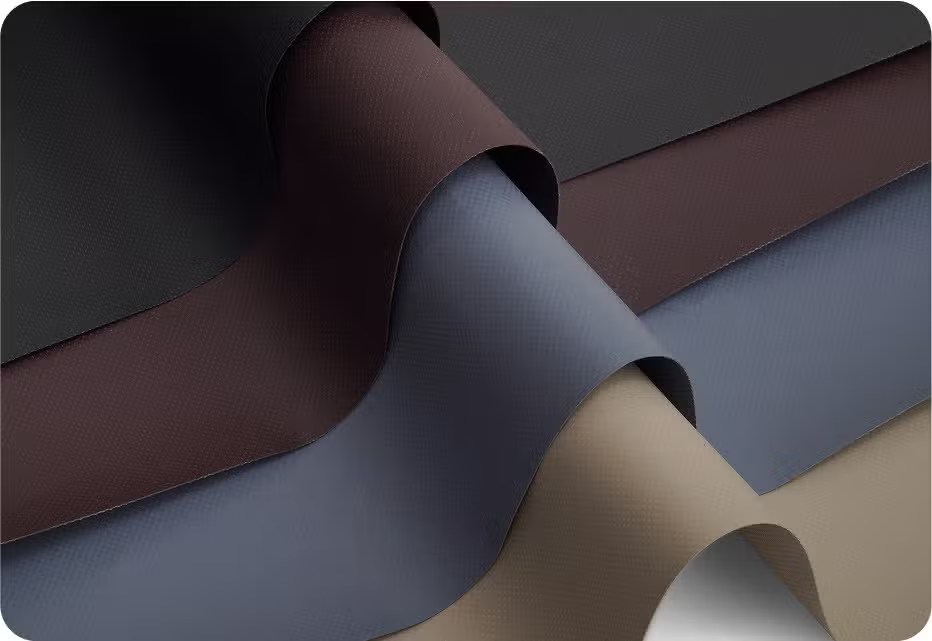
Compare flexibility, water behavior, UV resistance, abrasion performance, and finished weight on Our Fabrics. Browse Patio Furniture Covers. A stepped silhouette benefits from directional labels and seams that follow the chair-to-table transition.
Plan Drainage Across Two Heights
Water can run from the backrest toward the seat, then collect beside the lower table. Record the natural slopes and likely valleys. Use only stable supports approved for the chair and table. Never place glassware, planters, or loose boards under the cover to create a peak.
Install From the Backrest Forward
Align the cover at the high back and table side, then lower it toward the foot while guiding the stepped seam into position. Do not pull the low table panel across the recliner hardware. Secure suitable base points lightly and keep straps away from wheels and walking paths.
Prepare the Integrated-Lounge Fit Brief
Send side orientation, storage angle, combined footprint, chair profile, table dimensions, connection zone, cushions, feet, wheels, hem height, exposure, and labeled photos. Review the Lounge Chair With Attached Side Table Cover or Request a Quote.
Frequently Asked Questions
Which recline angle should I measure?
Use one locked, maker-approved storage position that you can reproduce every time.
Should the attached table be measured separately?
Measure both its individual dimensions and the complete chair-and-table footprint.
Can I open the table compartment through the cover?
Remove the full cover before opening lids, moving parts, or accessing stored items.
Turn the Measurements Into a Clear Cover Brief
A dependable made-to-measure cover starts with one repeatable storage position, complete dimensions, labeled photos, safe-use limits, and a practical handling routine. CoversForge can review fit, fabric, access, exposure, and quantity for the documented application. Request a Quote when the specification is ready.
Share This Article

Written by : CoversForge
Follow Us
Latest Articles
September 16, 2026
September 16, 2026
September 16, 2026