 Business





Rectangular Island Bar Covers: Measure Counters, Overhangs, Shelves, and Stools

A rectangular island bar looks simple from across the patio, [...]
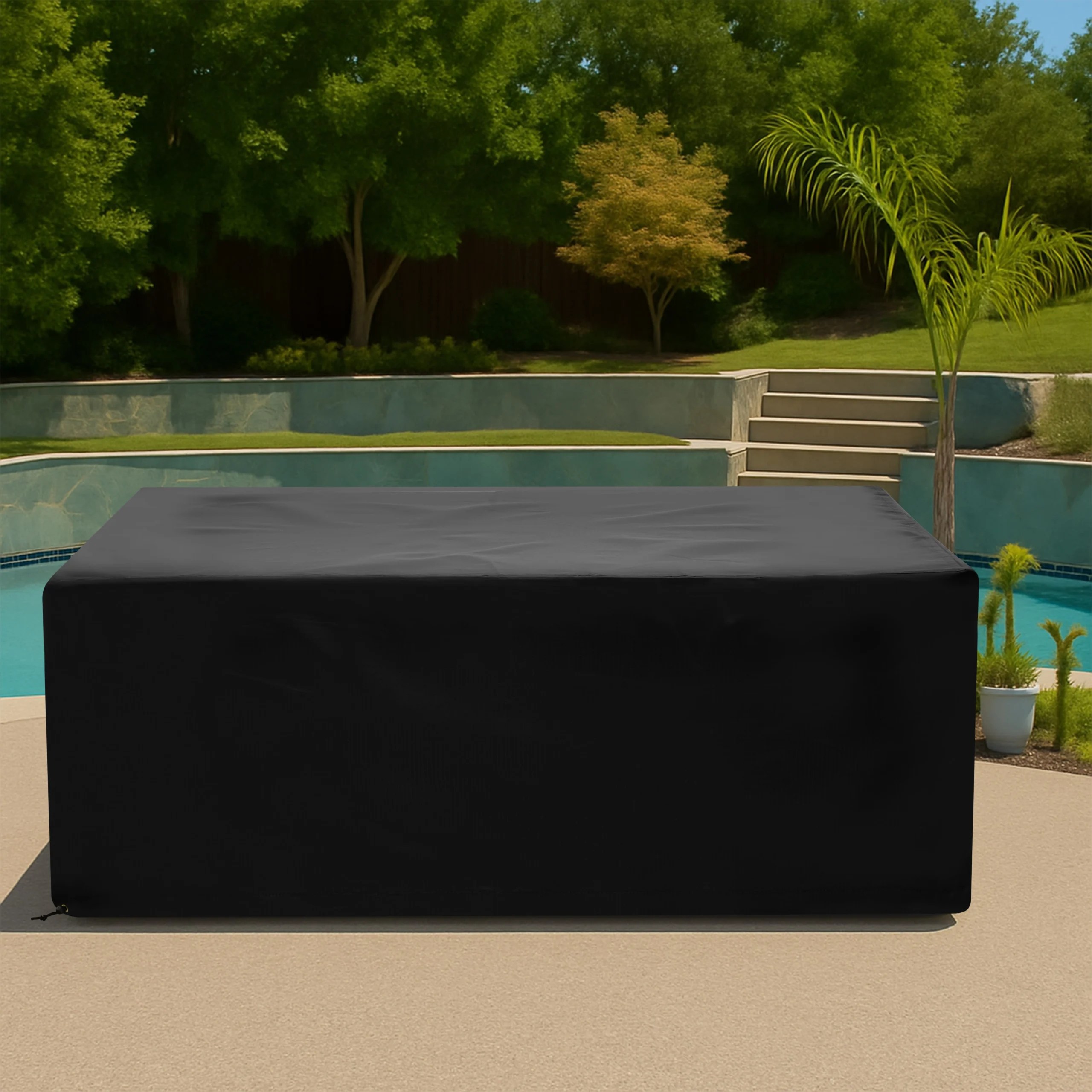
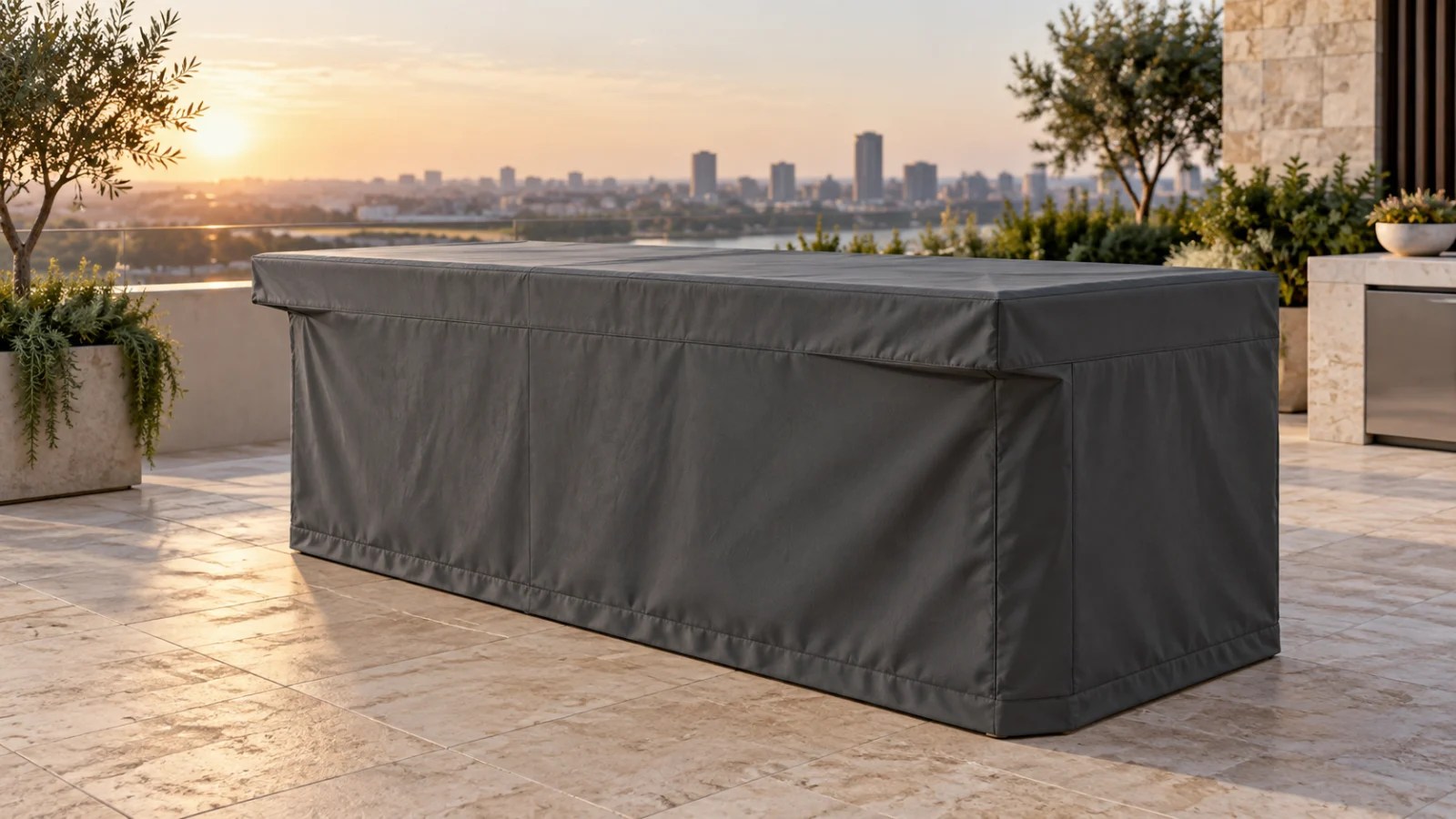
A rectangular island bar looks simple from across the patio, yet its real footprint can include a projecting counter, inset toe kick, open shelves, foot rail, service doors, and uneven end panels. A custom rectangular island bar cover should follow the rigid storage shape instead of hanging from the countertop like an oversized box.
Clear bottles, glassware, appliances, and loose décor before measuring. Clean and dry every surface, close doors and drawers, and choose whether stools will be covered separately. The cover is intended for an unused stationary bar. Remove it completely before opening storage, moving furniture, connecting appliances, or serving guests.
Define the Covered Bar Configuration
Photograph the bar from all four sides and above before moving anything. Decide which removable shelves, trays, speed rails, and accessories remain installed. Record the front, guest side, and both ends so orientation is unambiguous. One repeatable arrangement prevents a fitted panel from being forced over a different silhouette later.
Measure the Countertop Envelope
Use How to Measure to record maximum countertop length and width at rigid outer edges. Include bullnose trim, end caps, raised backs, and stone or tile projections. Measure each overhang separately because the guest-side projection may be deeper than the working-side edge.
Map the Base Below the Counter
Measure cabinet length, depth, and height below the top. Note recesses, toe kicks, plinths, legs, and any end panel that is narrower than the counter. Record the distance from each countertop edge to the base. These setbacks help the cover follow the bar without pulling diagonally across exposed corners.
Record Shelves, Doors, and Service Panels
Document open shelves, bottle wells, handles, hinges, locks, outlets, and access panels. Everything must be closed before covering. Mark fragile pulls or sharp hardware that may need allowance. Do not request a flap merely to operate equipment under the cover; access should support inspection only after the bar is safely out of service.
Handle Foot Rails and Protruding Hardware
Measure the rail diameter, overall span, projection, support brackets, and height above the floor. Include towel bars, side handles, hooks, drain fittings, and plumbing guards. A low projection can determine the true depth even when the cabinet above is narrow. Keep closures away from sharp brackets and walking paths.
Decide Whether Stools Belong Under the Cover
For the cleanest fitted result, store stools separately. If a shared cover is required, place every stool in one stable position and measure the combined footprint, highest back, outer feet, and gap to the bar. Do not push stools against doors, foot rails, or stone edges just to reduce the group size.
Choose Fabric for a Working Patio Zone
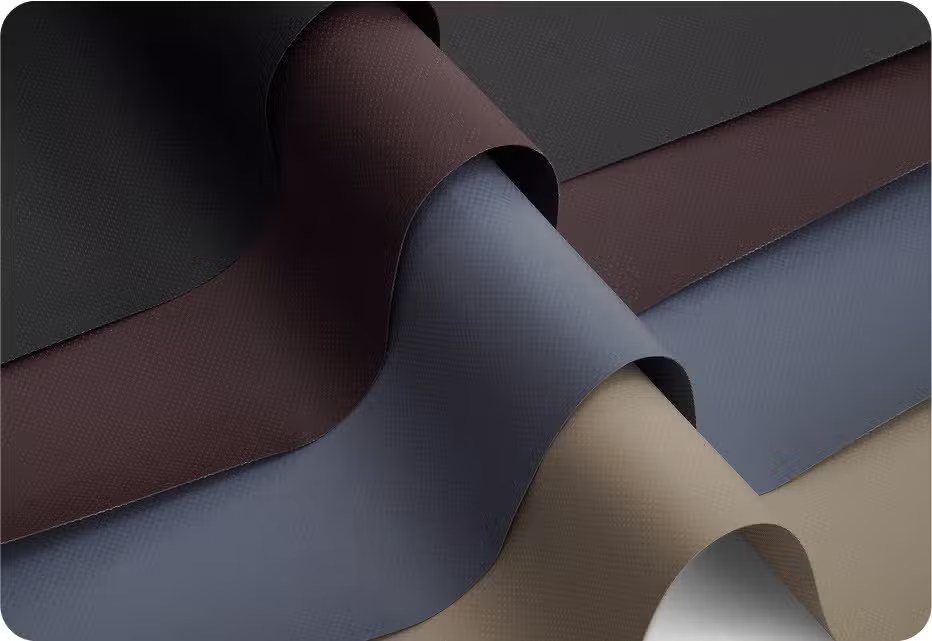
Compare finished weight, flexibility, water behavior, UV resistance, and abrasion performance on Our Fabrics. Browse related Patio Furniture Covers and Custom Covers. Frequent service areas benefit from clear front markings and a cover one person can lift without dragging.
Plan Runoff Across the Long Counter
A broad flat top can collect water, especially where an ice bin, sink cover, or raised backsplash creates a shallow basin. Record permanent slopes and low points. Use only stable supports approved for the counter. Never leave bottles, trays, or loose boards beneath the cover as improvised drainage props.
Create a Clean Installation Routine
Mark one end and the guest side. Lift the dry cover over the counter, settle the top panel, then lower the long sides evenly. Guide fabric past foot rails and handles instead of pulling across them. Secure suitable stationary base points with moderate tension, and keep strap tails away from aisles and pool edges.
Prepare the Island-Bar Fit Brief
Send the counter envelope, base dimensions and setbacks, overhangs, shelves, doors, rails, hardware, stool decision, hem height, site exposure, and labeled photos. Review the Rectangular Island Bar Cover or Request a Quote.
Frequently Asked Questions
Should stools be measured with the bar?
Usually separate stool covers create a cleaner, easier fit. Include stools only when the same stable group will always be stored together.
Do I measure the cabinet or the countertop?
Measure both. The countertop defines the upper envelope, while cabinet setbacks, foot rails, and handles define the lower panel shape.
Can appliances run under the cover?
No. Disconnect and cool applicable equipment according to its instructions, and remove the entire cover before operation or service.
Turn the Measurements Into a Clear Cover Brief
A dependable made-to-measure cover starts with one repeatable storage position, complete dimensions, labeled photos, safe-use limits, and a practical handling routine. CoversForge can review fit, fabric, access, exposure, and quantity for the documented application. Request a Quote when the specification is ready.
Share This Article


