 Business


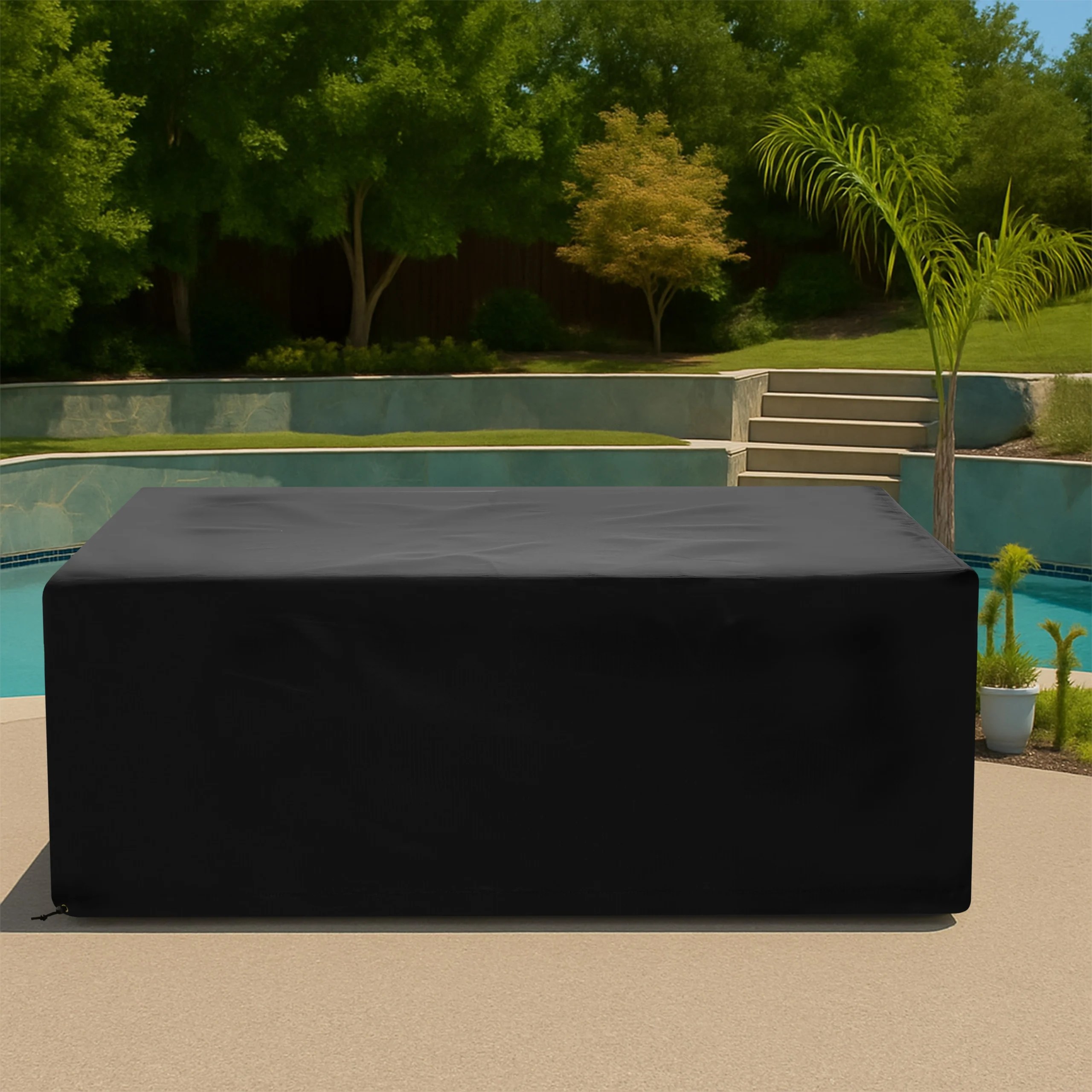



Outdoor Hammock Covers With Stands: Measure Arcs, Fabric Beds, Spreader Bars, and Feet

A freestanding hammock combines a long bowed frame, high suspension [...]
A freestanding hammock combines a long bowed frame, high suspension points, flexible fabric, spreader bars, and wide stabilizing feet. Its empty bed changes shape when touched or loaded. A custom outdoor hammock with stand cover must be based on one unloaded, dry, repeatable storage profile rather than the curve created by a person.
Remove pillows, blankets, people, and pets before measuring. Inspect the stand, hooks, chains, ropes, and bed according to the maker’s instructions. The cover is only for stationary storage. Take it off completely before sitting, swinging, adjusting tension, folding the frame, or relocating the hammock.

Confirm the Hammock and Stand Type
Identify whether the stand is wood, tubular metal, or a folding frame, and whether the bed uses rope, quilted fabric, sling fabric, or spreader bars. Photograph both ends and each suspension connection. Record removable components, but do not disassemble the frame merely to create easier measurements unless that is the planned storage state.
Set One Unloaded Storage Position
Place the empty hammock on level ground with the bed centered and all approved locks engaged. Let flexible material hang naturally without extra weights. Mark the chain link, strap setting, or adjustment hole used at each end so the measured curve can be recreated after cleaning or seasonal setup.
Measure the Overall Arc Envelope
Use How to Measure to record end-to-end length, maximum width, and highest rigid suspension point. Measure straight between outer limits rather than following the curve with tape. Note whether the two ends have equal heights and whether decorative caps project beyond the main frame.
Record the Hammock Bed Profile
Measure bed length and maximum width while unloaded. Record the lowest natural sag above the ground and the highest fabric edge. Do not pull the bed tight to simplify the numbers. Flexible fabric needs reasonable clearance from the cover so wind movement does not grind it against seams or damp ground.
Map Spreader Bars and Suspension Hardware
Record spreader-bar length, thickness, and angle, plus rings, hooks, carabiners, chains, ropes, and protective sleeves. Mark every sharp or concentrated contact point. The cover should not carry the hammock’s load or become tied into suspension hardware, and closures must stay outside pinch and adjustment zones.
Measure Feet and Stabilizers
Capture the outside span of all floor contacts, including splayed timber feet, curved rails, wheels, leveling pads, and cross braces. Check both ends because a stand may not be symmetrical. Plan the hem above soil, grass, or wet decking, and keep securing hardware clear of trip paths.
Choose Fabric for a Long Flexible Shape
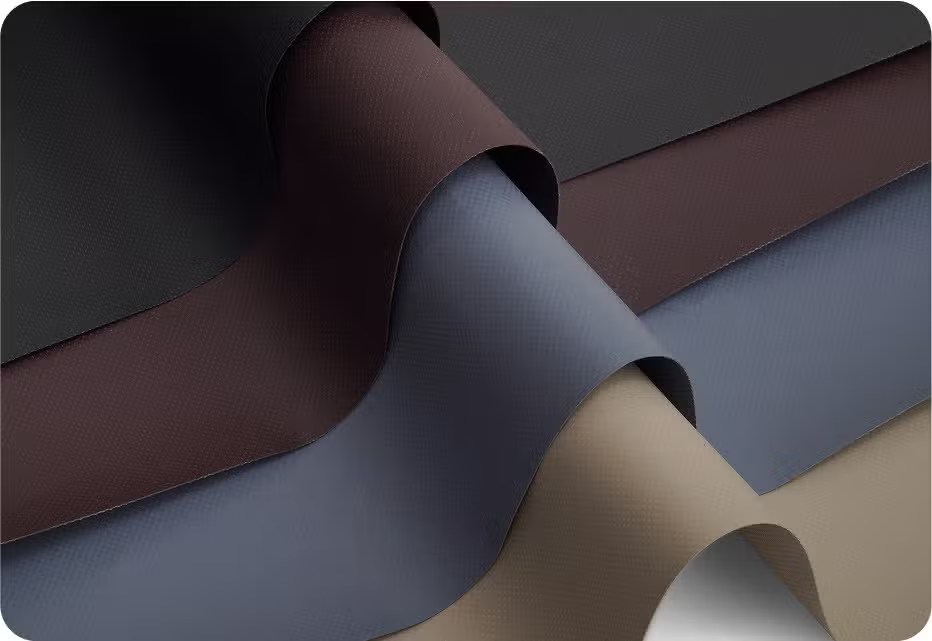
Compare weight, flexibility, water behavior, UV resistance, and abrasion performance on Our Fabrics. Browse Patio Furniture Covers and Custom Covers. A long cover benefits from clear end labels and manageable sections that can be lifted without dragging.
Plan Drainage Along the Sag
The natural hammock curve can create a long basin. Discuss whether the bed should be removed and stored dry or supported only by a method approved by its manufacturer. Never place a loose pole or board on the flexible bed. Keep the covered profile clear of sprinklers and branches.
Install From the High Points Down
With the frame stable, align the marked ends and lift the cover above both suspension peaks. Settle it across the long profile, then lower each side without catching hooks or spreader bars. Secure suitable stationary frame zones lightly. Let a wet removed cover dry completely before folding it for storage.
Prepare the Hammock Fit Brief
Send the stand type, storage setting, full envelope, suspension heights, bed profile, spreader bars, hardware projections, foot span, hem height, site surface, wind exposure, and labeled photos. Review the Outdoor Hammock With Stand Cover or Request a Quote.
Frequently Asked Questions
Should someone lie in the hammock while I measure?
No. Measure the hammock empty in its documented storage position. Never install or use the cover with a person or pet in the hammock.
Can the hammock bed stay outdoors under the cover?
Follow the bed manufacturer’s storage guidance. If removal is recommended, measure the stand in that repeatable configuration.
How do I measure a curved stand?
Use maximum straight-line length, width, and height, then add locations and dimensions for the high points, rails, and feet.
Turn the Measurements Into a Clear Cover Brief
A dependable made-to-measure cover starts with one repeatable storage position, complete dimensions, labeled photos, safe-use limits, and a practical handling routine. CoversForge can review fit, fabric, access, exposure, and quantity for the documented application. Request a Quote when the specification is ready.
Share This Article

Written by : CoversForge
Follow Us
Latest Articles
September 14, 2026
September 14, 2026
September 14, 2026