 Business





Canopy Porch Glider Covers: Measure Roof Frames, Seats, Bases, and Motion

A canopy porch glider has two connected profiles: a stationary [...]
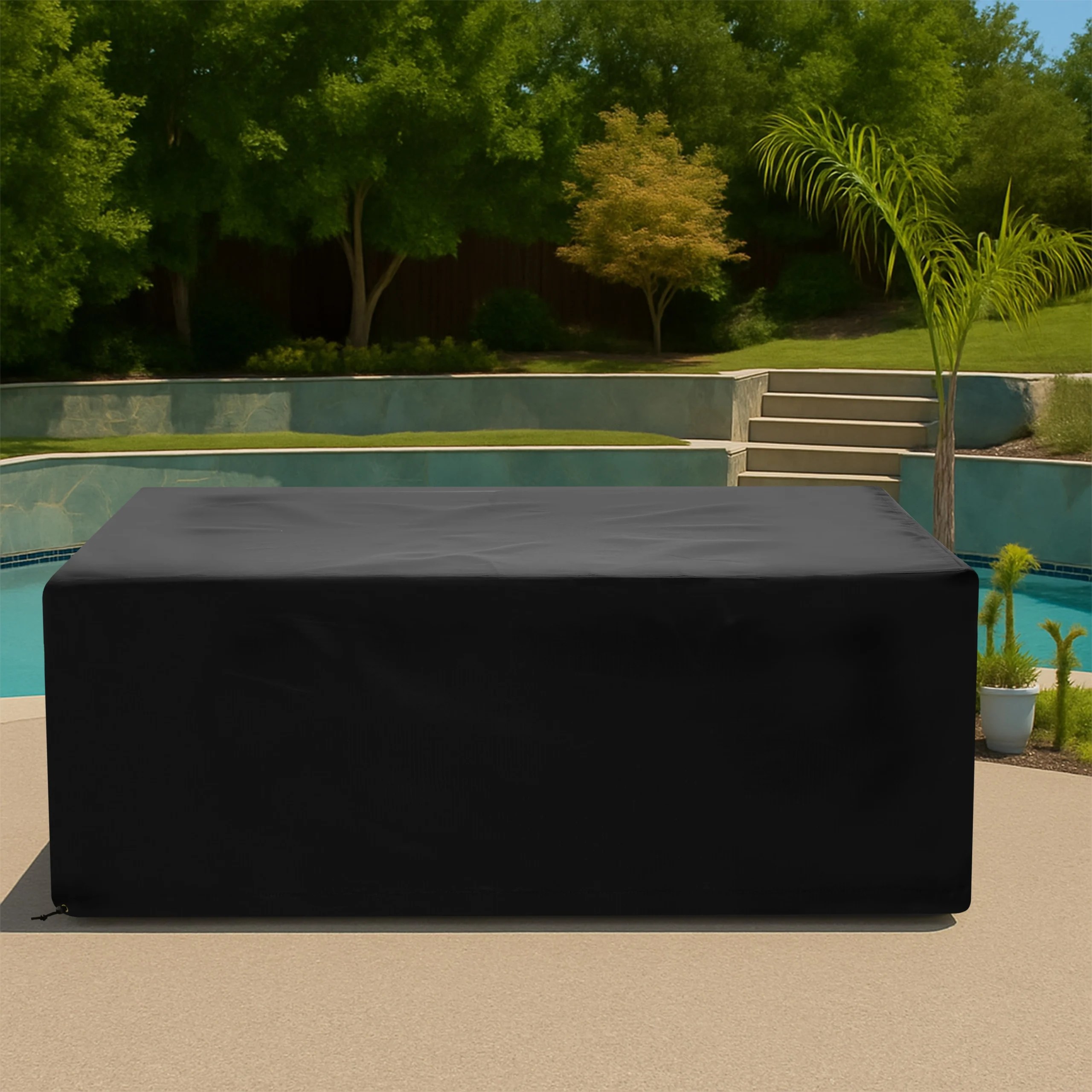
A canopy porch glider has two connected profiles: a stationary support frame and a seat that moves beneath a roof. The roof may be arched or tilted, while the base can be much wider than the cushion. A custom canopy porch glider cover requires measurements in one empty, stable parked position.
Inspect the frame, pivots, stops, and canopy attachment according to the manufacturer’s instructions. Remove people, pets, drinks, and loose pillows, then dry the roof and seat. Never sit on, push, rock, fold, or relocate the glider while the cover or its closures are installed.

Identify the Stationary and Moving Parts
Photograph the outer support frame, moving seat, hangers, pivots, springs, and approved stops. Mark which parts remain stationary during gliding. The cover must not become a motion limiter or hide hardware that needs inspection. Use only the maker’s approved parking or locking method before measuring.
Set One Empty Parked Position
Place the glider on level flooring and let the empty seat settle in its normal rest position. Align removable cushions and lock the canopy only if the design provides an approved lock. Measure distances from the seat to front and rear supports so the same position can be recreated later.
Measure the Full Roof Envelope
Follow How to Measure and record maximum roof width, depth, and height, including end caps, scalloped edges, arches, tilt knobs, and finials. Measure the stationary frame below it. A fabric canopy edge may not be the strongest or most repeatable reference, so identify rigid rails.
Record the Seat and Back Profile
Measure seat width, rigid back height, arm projection, and cushion thickness in the parked position. Note whether the back leans or the seat hangs forward of the roof posts. Do not compress cushions. Remove loose accent pillows so the stored silhouette stays consistent and the cover remains manageable.
Map the Motion Base and Side Supports
Record base width and depth at floor level, including rocker rails, stabilizer feet, crossbars, and protruding bolts. Measure side A-frames or vertical posts separately. Keep planned closures away from pivot paths and pinch points. The frame must remain stable without relying on fabric tension or tied hems.
Allow Safe Clearance Around the Glider
Measure the normal motion zone from walls, railings, columns, steps, lights, and nearby furniture, even though the covered glider should not be used. Do not wedge the covered unit against a structure as an improvised stop. Document wind exposure and any manufacturer-approved storage restraint separately from the cover design.
Choose Fabric for a Tall Moving Assembly
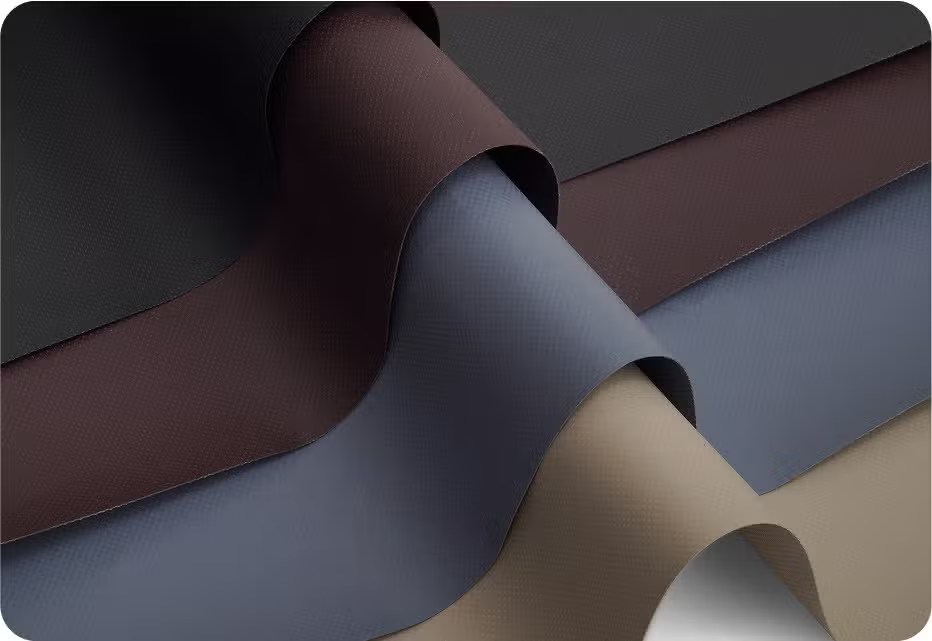
Compare flexibility, water behavior, UV resistance, abrasion performance, and finished weight on Our Fabrics. Explore Patio Furniture Covers. A tall roof and wide base call for clear orientation, controlled lifting, and fabric that can be handled without pulling on canopy rails.
Plan Drainage Over the Canopy
Record the roof crown, tilt, panel tension, and any valleys near the center or side rails. Use only support methods approved for the canopy. Never leave a loose pole, board, or decorative object above the seat. Dry fabric and cushions before covering, and keep the hem above wet porch surfaces.
Create a Controlled Installation Routine
Mark the front roof edge and one frame leg. With the seat parked and stable, lift the cover above the canopy, settle it across the crown, then lower panels around the stationary base. Avoid reaching through moving gaps. Release all fasteners and remove the full cover before anyone approaches for use.
Prepare the Canopy-Glider Fit Brief
Send the parked seat position, roof envelope, rigid rail locations, seat and cushion profile, base footprint, pivots, approved stops, hem height, clearances, exposure, and labeled photos. Review the Canopy Porch Glider Cover or Request a Quote.
Frequently Asked Questions
Should I measure the seat at the front or back of its travel?
Measure the empty seat in one manufacturer-approved parked position and document that position with fixed references.
Can straps be routed through the glider mechanism?
No. Keep cover hardware away from pivots, hangers, springs, pinch points, and the normal motion path.
Can the glider move while covered?
Do not use the cover as a restraint. Follow the maker’s storage guidance and remove the cover before any movement or use.
Turn the Measurements Into a Clear Cover Brief
A dependable made-to-measure cover starts with one repeatable storage position, complete dimensions, labeled photos, safe-use limits, and a realistic handling routine. CoversForge can review fit, fabric, access, exposure, and quantity for the documented application. Request a Quote when the specification is ready.
Share This Article

Written by : CoversForge
Follow Us
Latest Articles
September 13, 2026
September 13, 2026
September 13, 2026