 Business





Acapulco Chair Covers: Fit Open-Weave Seats, Curved Frames, and Tripod Legs

An Acapulco chair is defined by a tilted oval rim, [...]
An Acapulco chair is defined by a tilted oval rim, a deep open-weave bowl, and a light three-leg or sled-style frame. Those features create a broader upper profile and a narrow, irregular footprint. A custom Acapulco chair cover should follow the rigid rim and frame without being patterned from the flexible cords alone.
Inspect the chair first and repair loose weave or damaged feet before covering it. Remove throws and small pillows, decide whether the maker permits a seat cushion to remain, and allow every surface to dry. The cover is for a stationary empty chair, not for sitting through or moving while installed.

Identify the Chair’s Structural Reference Points
Find the rigid oval rim, front opening, rear high point, frame junctions, and feet. The woven cords can flex under a tape or hand, so use the supporting metal or wood structure as the dimensional reference. Photograph the chair from the front, side, rear, and above before adding any cushion.
Measure Maximum Width, Depth, and Height
Use How to Measure to capture the widest rim, deepest front-to-back projection, and highest rigid point. Keep the tape level instead of following the curved seat surface. Record where each maximum occurs because the rim is normally tilted rather than centered over the base.
Trace the Tilted Oval Rim
Measure the rim width at several heights, its front and rear elevation, and its distance from the floor. Note whether the top is round, pointed, flattened, or asymmetric. A side photo with labeled front and rear heights makes the chair angle clearer than one overall height value.
Capture Bowl Depth Without Compressing Weave
Measure from the rim plane to the deepest relaxed point of the seat without pushing the cords inward. Record front opening height and the projection of the lower bowl. The cover should bridge the exterior silhouette gently; it should not be pulled tight enough to distort the woven seat or load individual cords.
Map Tripod Legs or Sled Rails
Record the number of legs, outside spacing at the floor, rear-leg projection, foot pads, and any cross brace. If the model uses sled rails, measure their length, width, and curved ends. The hem must remain above wet ground while covering the visual base without catching beneath a narrow foot.
Choose a Repeatable Cushion Plan
If a maker-approved cushion stays on the chair, place it in its normal relaxed position and document its thickness and edge projection. Remove loose pillows and blankets. A changing cushion stack alters the bowl volume and can create a low pocket, so use the same clean, dry configuration whenever the cover is installed.
Choose Fabric for Curves and Narrow Supports
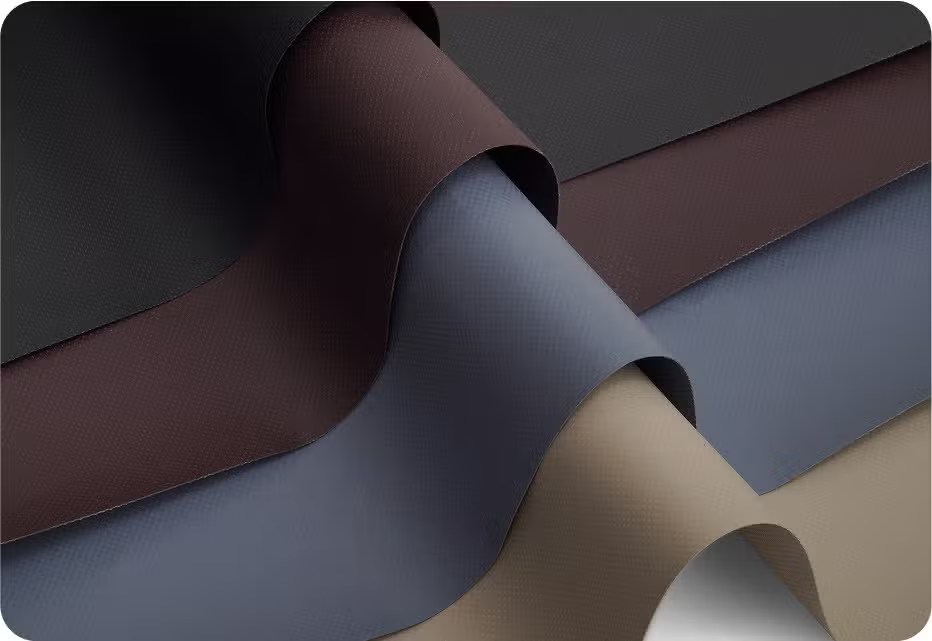
Review flexibility, seam strength, abrasion behavior, UV exposure, and water performance on Our Fabrics. Browse other Patio Furniture Covers. Curved rims benefit from controlled shaping, while the lower section should be easy to guide around slender legs without snagging.
Set the Hem Above the Patio Surface
Choose a finished edge that clears paving, deck gaps, and foot pads. Avoid an excessively long skirt that can fold beneath the rear leg or collect debris. Plan closures only around stable frame sections, keeping them away from flexible weave, decorative cord, sharp joints, and narrow openings that could abrade fabric.
Install From the High Rear Edge
Mark the back and one side. Lift the cover over the highest part of the rim, guide it around the bowl, then settle the lower panels over the frame. Do not pull from one leg or use the hem as a handle. Remove the cover completely before sitting, rotating, or carrying the chair.
Send a Complete Acapulco Chair Brief
Provide the rim shape and angle, overall envelope, bowl depth, front opening, leg or rail footprint, cushion plan, hem line, exposure, and labeled photos. Review the Acapulco Chair Custom Cover or Request a Quote.
Frequently Asked Questions
Should I measure the flexible cords?
Use the relaxed weave as supporting information, but base the main dimensions on the rigid rim and frame.
Can a seat cushion stay under the cover?
Only when the furniture and cushion makers permit it; keep the cushion clean, dry, and in one repeatable position.
Where should the cover end around three legs?
Set the hem above the ground and foot pads, with no fabric trapped beneath a leg or wrapped around the weave.
Turn the Measurements Into a Clear Cover Brief
A dependable made-to-measure cover starts with one repeatable storage position, complete dimensions, labeled photos, safe-use limits, and a realistic handling routine. CoversForge can review fit, fabric, access, exposure, and quantity for the documented application. Request a Quote when the specification is ready.
Share This Article

Written by : CoversForge
Follow Us
Latest Articles
September 12, 2026
September 12, 2026
September 12, 2026