 Business





Outdoor Mudroom Bench Covers: Fit Cubbies, Hooks, Seats, and Tall Backs

An outdoor mudroom bench may combine a tall back, upper [...]
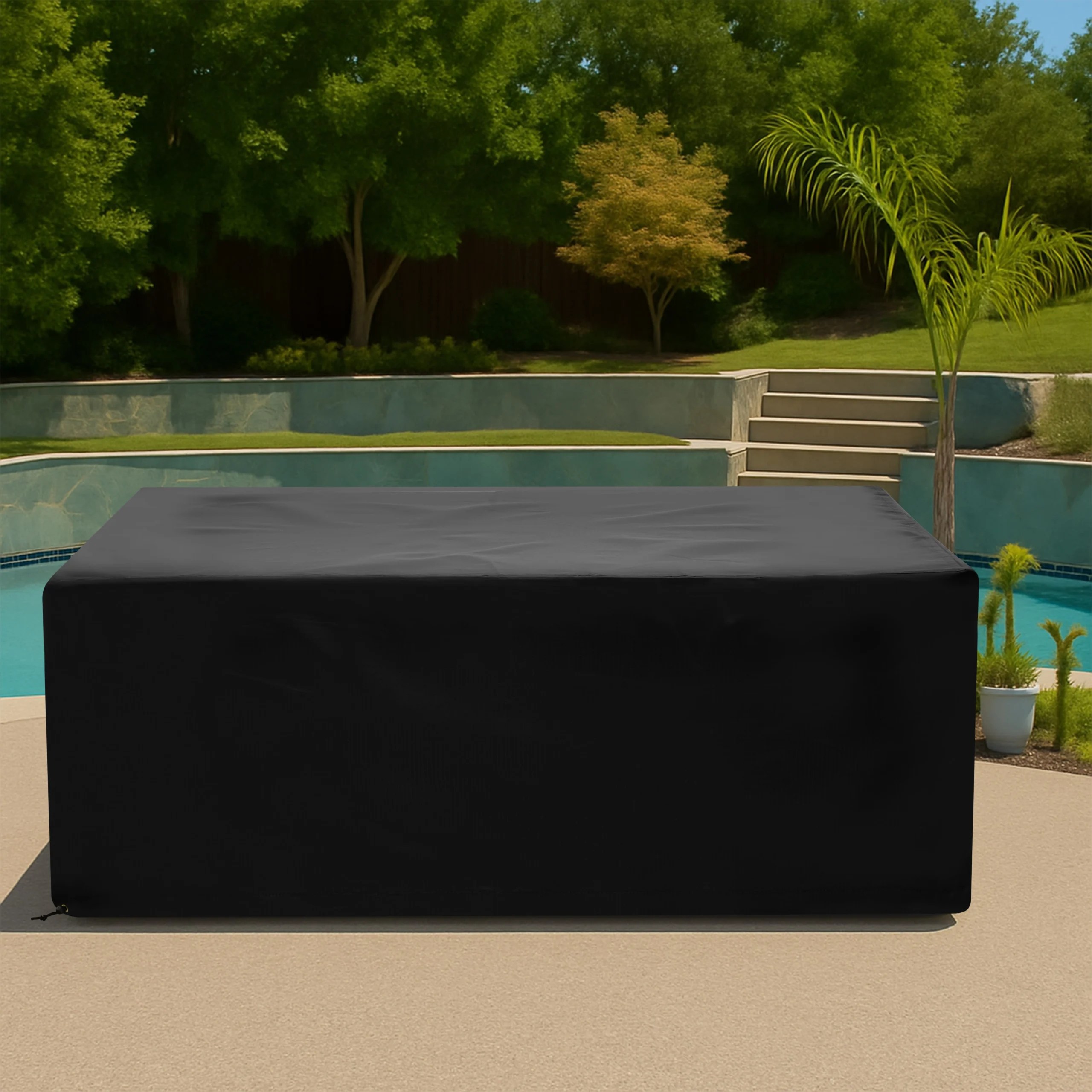
An outdoor mudroom bench may combine a tall back, upper shelf, coat hooks, a seat, open cubbies, doors, and short feet in one narrow footprint. Those levels create more geometry than a standard bench. A custom outdoor mudroom storage bench cover should follow the fixed cabinet structure while leaving changing shoes, bags, and damp gear outside the measured profile.
Empty and clean the unit before covering. Dry wood, metal, cushions, and floor surfaces fully, and store wet footwear, chemicals, batteries, and sharp tools elsewhere. A cover helps manage ordinary weather and dust exposure; it cannot make indoor-rated furniture suitable for an exterior location or replace the maker’s care instructions.

Define the Fixed Storage Unit
Record the bench model, overall construction, tall back, top cap, shelves, hooks, seat, cubbies, doors, feet, and any anchored side panels. Photograph the front, rear, both sides, and top. Remove every loose bin, shoe, basket, and hanging item unless it is a permanent part of the measured setup.
Measure the Tall Back and Top Cap
Use How to Measure to capture maximum width, depth, and height at rigid points. Measure the upper section separately, including crown trim, sloped roofs, shelf lips, and projecting hooks. Note whether the back leans or stands proud of the lower bench.
Map Hooks Without Covering Stored Gear
Record each fixed hook’s projection, height, and distance from a reference side. Hooks can create sharp local points, so identify their shape and condition. Remove coats, towels, bags, and umbrellas before measuring and covering; damp hanging items change the profile and can hold moisture against the fabric.
Measure the Seat and Lower Cabinet
Capture seat width, depth, thickness, front overhang, side rails, and height above the floor. Then measure the lower cabinet or open cubby block separately. Include drawer pulls, door handles, hinges, magnetic catches, and any ventilation grilles, using the normal fully closed storage position.
Keep Cubbies Empty and Dry
Open compartments should be cleared of shoes, salts, cleaning products, sports gear, and absorbent mats. Measure cubby openings as supporting dimensions, but pattern the cover to the rigid outside envelope. Do not pull straps through shelves or use the cover to contain loose objects that could shift.
Record Feet, Wall Clearance, and Drainage
Measure the outside footprint, leveling feet, toe kicks, and lowest fixed edge. Note distance from walls, railings, steps, and door swings. Keep the hem above wet paving and ensure roof runoff cannot discharge behind the covered unit. The cover should never obstruct an exit or walking route.
Choose Fabric for an Entry Area
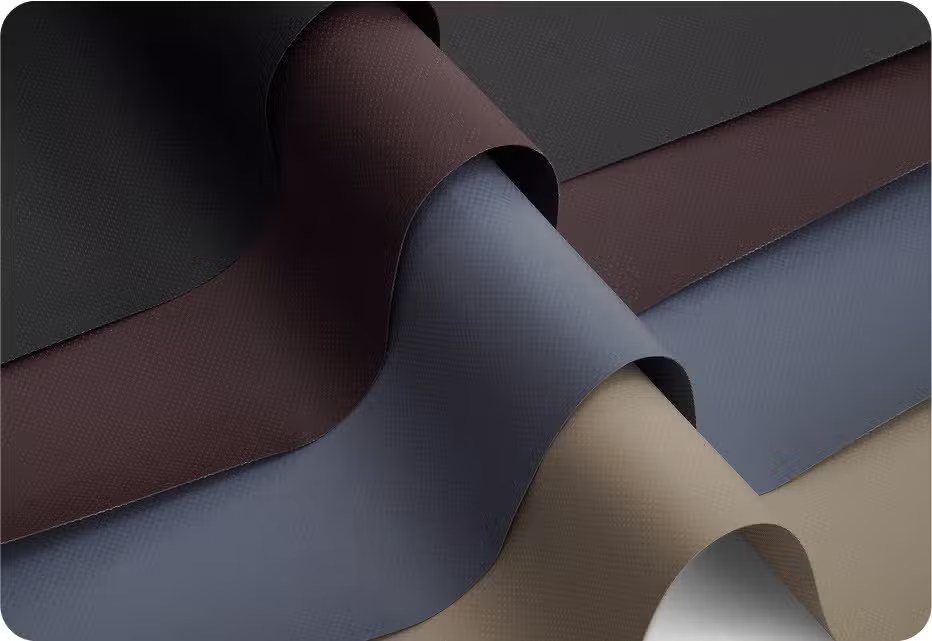
Review flexibility, abrasion resistance, water behavior, UV exposure, and handling weight on Our Fabrics. Explore related Custom Covers. Entry furniture is handled often, so a manageable cover and a clean storage hook can matter as much as fabric weight.
Plan Around Doors and Service Access
The safest routine is usually to remove the cover before opening doors, drawers, or lift-up seats. If the unit has fixed utilities or permitted ventilation, document them clearly. Never cut field openings around outlets, lights, heaters, or cables without an approved design and safe clearances.
Mark Front, Rear, and One Corner
A tall asymmetric cover is easier to reinstall with orientation marks. Lift it from the top section and guide it over hooks and trim instead of dragging upward from the hem. Let the removed cover dry before folding, and store it away from muddy footwear and cleaning chemicals.
Prepare the Mudroom Bench Specification
Send the upper and lower envelopes, shelf and hook map, seat and cabinet dimensions, handle projections, feet, wall clearance, drainage, location rating, removal frequency, and labeled photos. Review the Outdoor Mudroom Storage Bench Cover or Request a Quote.
Frequently Asked Questions
Can shoes and coats remain under the cover?
Remove loose and damp items. Measure the clean fixed unit so changing contents do not distort fit or trap moisture.
Should doors and drawers be open or closed?
Measure and cover them in the fully closed, manufacturer-approved storage position.
Will a cover make an indoor mudroom bench weatherproof?
No. Use the furniture only in locations allowed by its manufacturer and follow its care requirements.
Turn the Measurements Into a Clear Cover Brief
A dependable made-to-measure cover starts with one repeatable storage position, complete dimensions, labeled photos, safe-use limits, and a realistic handling routine. CoversForge can review fit, fabric, access, exposure, and quantity for the documented application. Request a Quote when the specification is ready.
Share This Article


