 Business


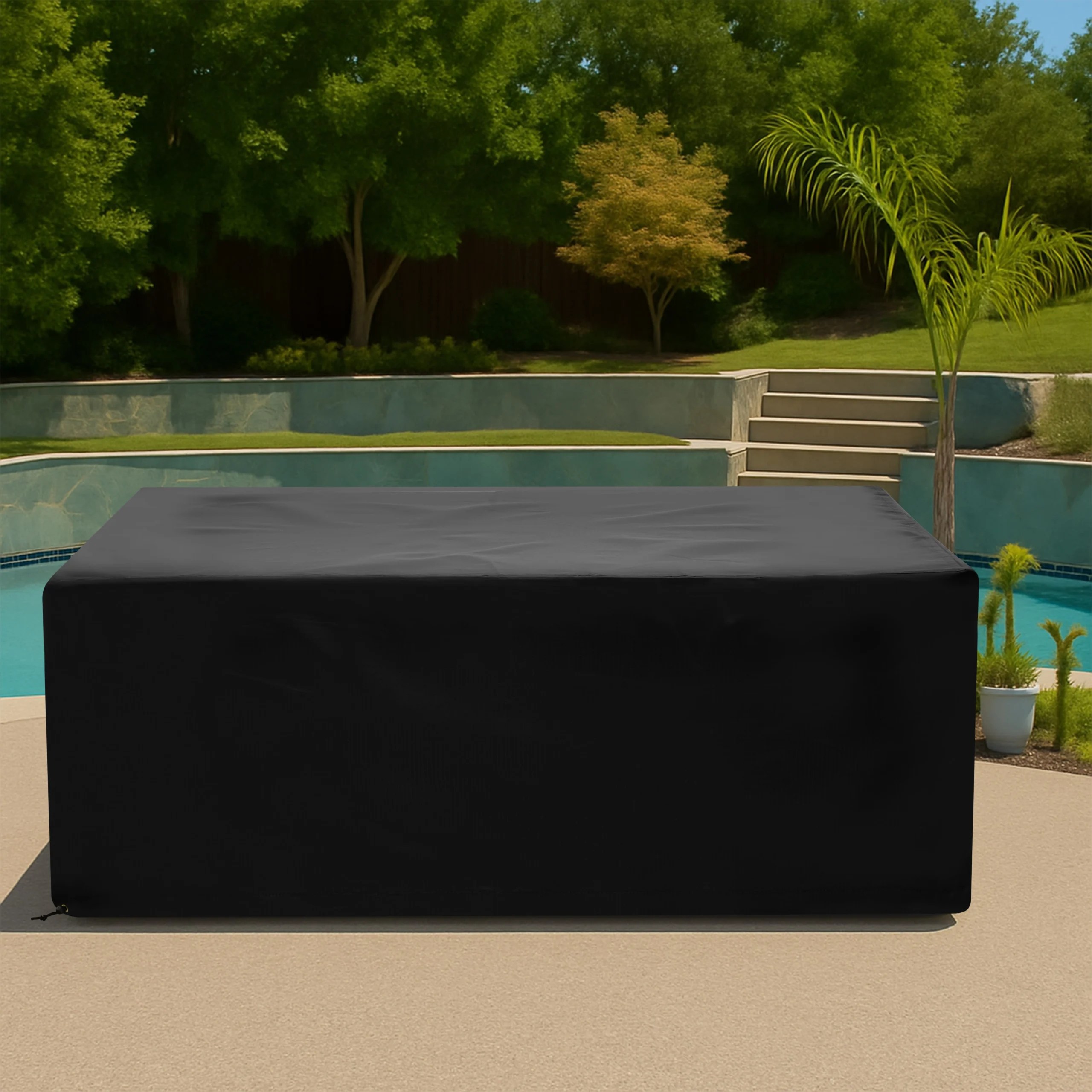




Insulated Equipment Covers: Plan Panels, Penetrations, Heat Flow, and Access

Insulated equipment covers are specification-driven products. A cabinet, instrument, valve [...]
Insulated equipment covers are specification-driven products. A cabinet, instrument, valve assembly, or process component may have removable panels, pipe and cable penetrations, sensors, vents, hot or cold zones, and service clearances. A custom insulated equipment cover needs more than overall dimensions: it needs documented operating limits and a safe access plan.
Begin with the equipment owner, manufacturer, and qualified technical team. Confirm whether the unit may be covered, when it must be shut down, and which surfaces require ventilation or separation. A textile assembly is not automatically a fire blanket, electrical enclosure, freeze guarantee, personnel guard, or rated thermal system.

Define the Thermal Objective
State whether the cover is intended for short-term standby, condensation management, routine weather protection with insulation, or another documented purpose. Record the desired service window and the consequences of overheating, freezing, or trapped moisture. Do not select insulation thickness from appearance alone.
Collect Manufacturer and Site Limits
Obtain approved storage and operating temperatures, required ventilation, ignition clearances, surface-temperature limits, electrical classification, shutdown steps, and service zones. Local codes and the equipment manual take priority. If covering is not authorized, stop the project rather than improvising openings.
Measure the Rigid Equipment Envelope
Use How to Measure to record maximum width, depth, and height at fixed points. Add corner radii, sloped tops, bases, feet, lifting eyes, latches, and guards. A dimensioned sketch should identify one origin corner and the direction of every station.
Create a Penetration Schedule
For each pipe, conduit, cable bundle, hose, shaft, bracket, or support, record centerline location, outside size, direction, rigidity, and required clearance. Photograph labels without publishing sensitive information. Split seams or closures should be planned around fixed penetrations, not cut casually in the field.
Separate Vents, Drains, and Heat-Rejection Areas
Map intake and exhaust openings, louvers, fans, drains, relief devices, flues, and radiator surfaces. Keep required zones completely clear. An insulated cover that blocks heat rejection or drainage can create a more serious problem than the exposure it was intended to address.
Plan Removable Service Panels
List inspection points, controls, gauges, isolators, filters, valves, and doors that technicians must reach. Record access-panel dimensions, hinge direction, closure type, and safe working clearance. Remove or open the cover only under the approved equipment procedure.
Specify Layers and Handling Requirements
Compare available base fabrics and discuss the actual application on Our Fabrics. Review related Equipment Covers. The outer shell, insulation, liner, stitching, closures, and reinforcement must be selected as a system appropriate to the documented environment.
Control Seams, Compression, and Water Paths
Identify the expected top surface, runoff direction, low points, and seams around penetrations. Insulation that is crushed at straps or sharp edges may perform differently from the main panel. Keep the assembly off standing water and include a drying and inspection routine after wet exposure.
Write a Safe Install and Removal Procedure
Define shutdown, cool-down, isolation, lockout, verification, installation sequence, closure order, inspection, removal, and dry storage. Mark orientation and panel identities. Large or awkward assemblies may require multiple trained handlers and a clean cart rather than lifting from one seam.
Send a Technical Cover Brief
Provide the thermal objective, approved temperature range, overall envelope, penetration and vent schedules, access panels, hazards, location, drainage, operating state, handling method, quantity, and labeled drawings. Review the Custom Insulated Cover, Request a Quote, or use Business Inquiries for engineered quantities.
Frequently Asked Questions
Can an insulated cover stay on while equipment operates?
Only when the manufacturer and responsible technical team explicitly approve the exact configuration and required airflow remains unobstructed.
Does insulation guarantee freeze protection?
No. Performance depends on temperatures, duration, heat input, wind, moisture, construction, and installation; define the requirement with qualified specialists.
How should pipes and cables pass through the cover?
Document every fixed penetration and plan fitted splits or closures with appropriate clearance rather than making unplanned field cuts.
Turn the Measurements Into a Clear Cover Brief
A dependable made-to-measure cover starts with one repeatable storage position, complete dimensions, labeled photos, safe-use limits, and a realistic handling routine. CoversForge can review fit, fabric, access, exposure, and quantity for the documented application. Request a Quote when the specification is ready.
Share This Article


