 Business


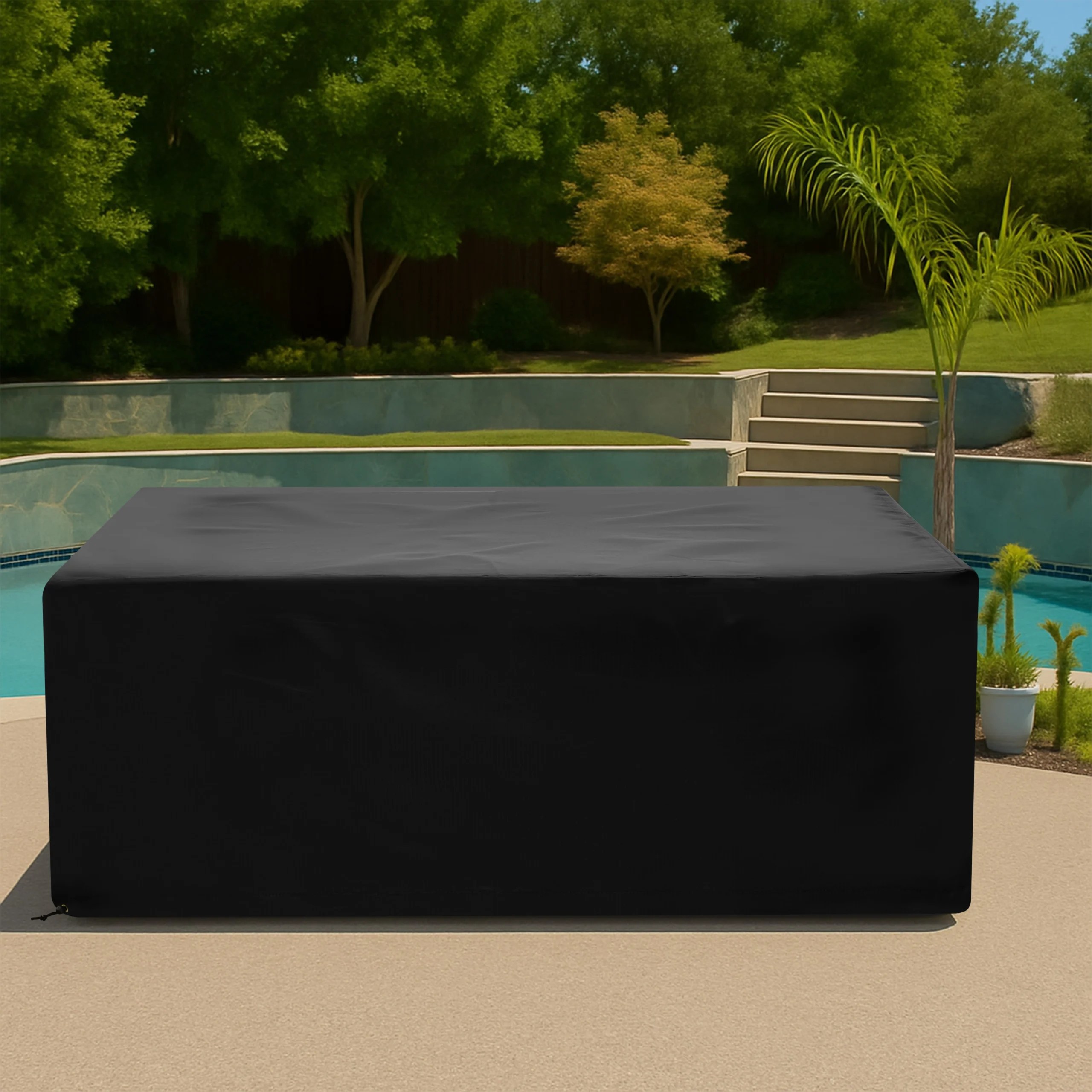



Trapezoidal Box Covers: Map Top, Base, Sloped Walls, and Unequal Corners

A trapezoidal box may be wider at the base than [...]
A trapezoidal box may be wider at the base than the top, tapered on only two sides, skewed in plan, or built with four corners that do not mirror one another. A single length, width, and height cannot explain that geometry. A custom trapezoidal box outdoor cover needs separate top and base measurements tied to a clear orientation.
Before measuring, confirm the enclosure, pedestal, storage chest, or equipment housing is stable and safe to approach. Close approved doors and panels, remove temporary accessories, and isolate equipment as required. The cover should protect a stationary stored object, not conceal an operating hazard.

Classify the Trapezoid Before Measuring
Decide whether the object is a rectangular top over a larger rectangular base, a wedge with one sloped face, an offset frustum, or an irregular four-sided form. Name the front and mark it physically. A labeled sketch prevents left and right dimensions from being reversed.
Create Top and Base Datum Rectangles
Follow How to Measure and record the maximum top length and width at a consistent height. Repeat at the base. Measure from rigid edges, not loose trim, cables, or compressible seals. Note whether feet or a plinth extend beyond the walls.
Measure Height at Every Corner
Record vertical height at front-left, front-right, rear-left, and rear-right corners. Unequal ground, a pitched top, or an offset base can make these values different. Keep the measurement vertical to the floor rather than following the sloped wall.
Calculate Each Wall’s Setback
Measure how far every top edge sits inward or outward from the matching base edge. Record front, rear, left, and right setbacks separately. These offsets define the panel slopes and show whether the top is centered over the base.
Add Intermediate Perimeter Stations
For tall or curved transitions, measure width and depth at one or more known heights between base and top. Station measurements expose bowed panels, rails, handles, or shoulders that a straight-line taper would miss. Photograph the tape position for each station.
Map Doors, Ports, and Service Clearances
Identify hinges, latches, vents, cable glands, handles, inspection panels, drains, and required no-contact zones. Decide which features need access only after the cover is removed. An opening should be deliberate and closed when not in use, not a shortcut around uncertain dimensions.
Keep the Bottom Edge Off Wet Ground
Record the plinth, feet, wheels, or anchors and set a practical hem height above paving or soil. Do not block drains or air paths required during approved storage. The equipment maker determines whether the object may be covered and which clearances must remain.
Select Fabric for Sloped Panels
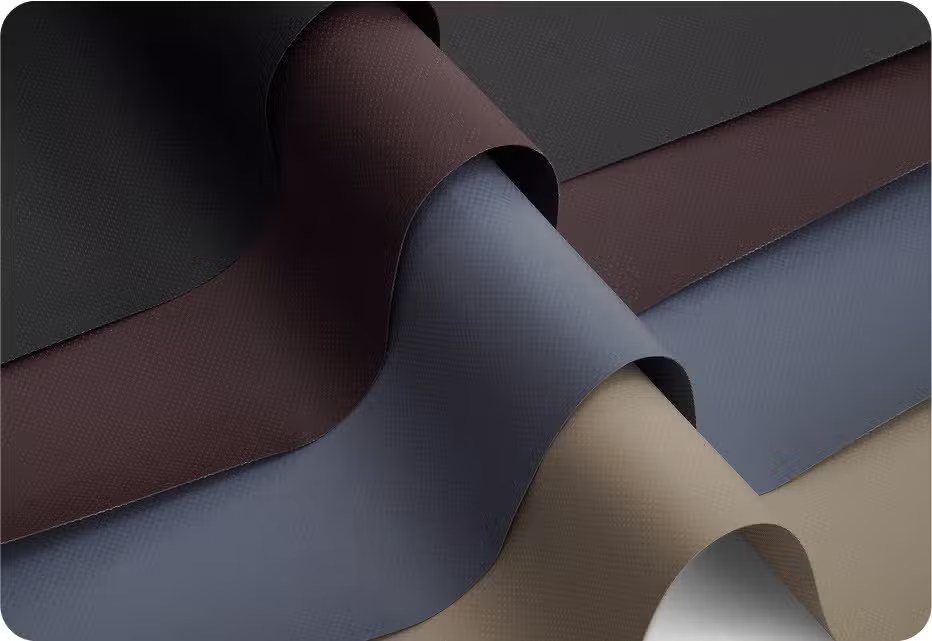
Compare dimensional stability, flexibility, abrasion resistance, UV performance, water behavior, and weight on Our Fabrics. Explore Custom Covers. Proper panel geometry matters more than using heavy material to pull an inaccurate box shape tight.
Control Orientation and Wind Loading
Add a clear front marker and place closures at stable lower points. Avoid pulling across access doors, sharp corners, vents, or lightweight trim. Sloped walls can guide wind and water differently on each side, so document the exposed face and severe-weather procedure.
Send a Geometry-First Cover Package
Provide the shape classification, top and base rectangles, four heights, four setbacks, intermediate stations, features, exclusions, hem height, orientation, exposure, and labeled photos. Review Trapezoidal Box Outdoor Custom Covers or Request a Quote.
Frequently Asked Questions
Is one slope angle enough for a trapezoidal box?
Usually not. Measure each top-to-base setback because opposite walls may have different slopes or the top may be offset.
Should sloped wall length replace vertical height?
No. Record vertical corner heights and horizontal setbacks; the pattern can then define the true sloped panel length.
What if the base sits on uneven paving?
Measure from a consistent datum and report each corner height separately. Do not hide an unstable support condition with the cover.
Turn the Measurements Into a Clear Cover Brief
A dependable made-to-measure cover starts with one repeatable storage position, complete dimensions, labeled photos, safe-use limits, and a realistic handling routine. CoversForge can review fit, fabric, access, exposure, and quantity for the documented application. Request a Quote when the specification is ready.
Share This Article


