 Business


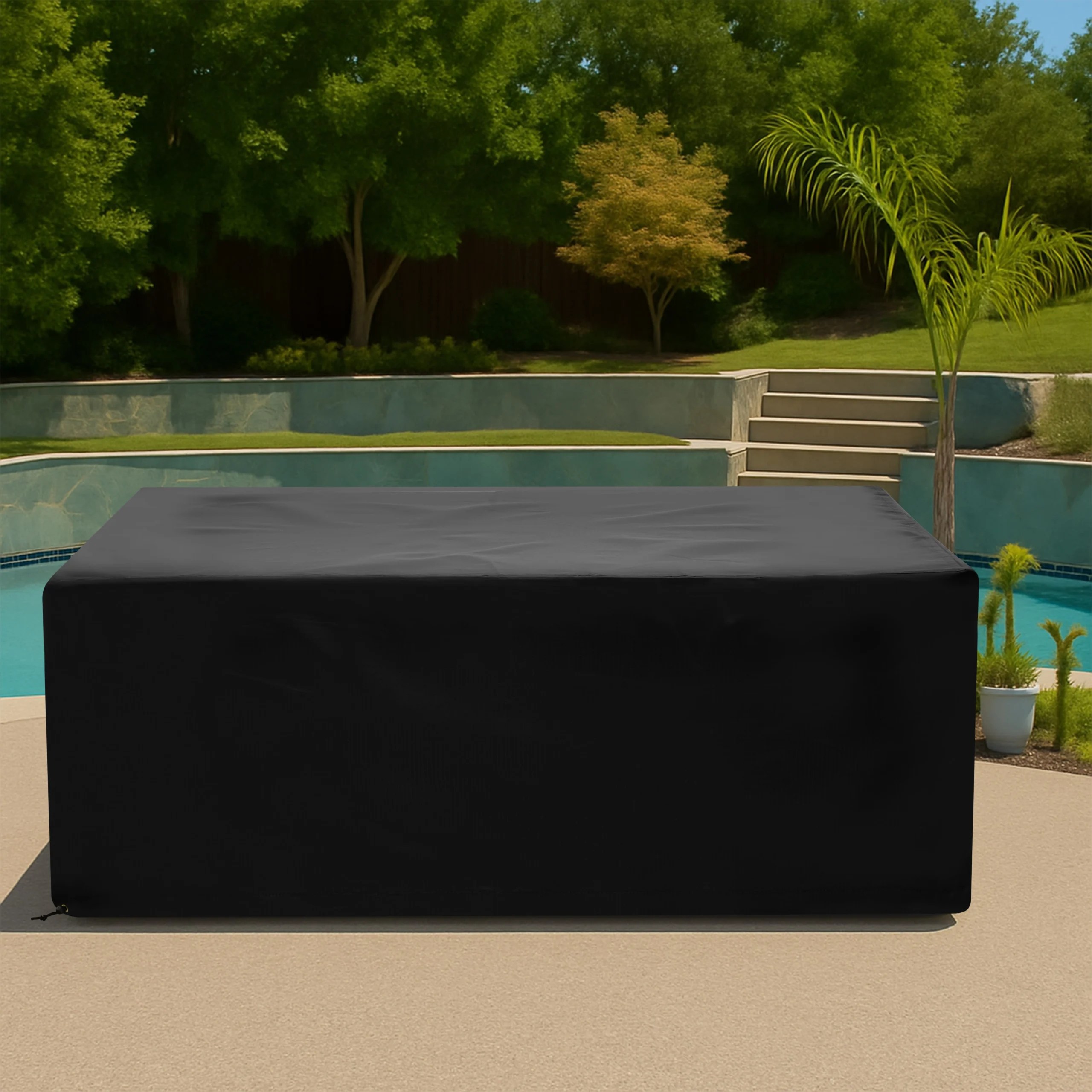



Monster Truck Covers: Measure Giant Tires, Lifted Chassis, Cab, and Overhangs

A monster truck combines an oversized tire envelope with a [...]
A monster truck combines an oversized tire envelope with a body that sits far above the ground. Suspension links, axles, bumpers, steps, safety equipment, exhaust components, and removable event hardware can project beyond the familiar pickup silhouette. A custom fit monster truck cover needs a documented parked setup and a crew-safe handling plan.
Cover only a shut-down vehicle that has cooled according to the builder’s procedures. Chock, support, isolate, and store the truck as the owner and venue require. A textile cover is not a transport cover, wheel restraint, fire barrier, lifting device, or substitute for motorsports safety controls.

Define What the Cover Will Enclose
Decide whether the cover protects only the cab and body or reaches around fixed portions of the chassis. List parts removed after an event, including flags, antennas, mirrors, wheelie bars, display panels, or temporary bodywork. Measure the same configuration that crews will reproduce.
Establish a Level Measurement Datum
Park on a known level surface with suspension and tire pressure set to the documented display or storage condition. Mark a floor centerline and axle lines. Do not crawl beneath an unsupported vehicle or enter a restricted zone just to take a cover measurement.
Record the Full Tire Envelope
Use How to Measure as a starting point, then record each tire’s outside diameter, tread width, sidewall bulge, outer track width, and distance from the body. Note steering angle. Tires may remain partly exposed for handling, so define the intended lower boundary clearly.
Map the Lifted Chassis and Suspension
Photograph safe visible points on axles, shocks, links, driveshaft guards, steps, and frame rails. Identify sharp edges, pinch zones, hot components, and places the textile must never enter. Technical measurements should come from qualified crew documentation when access is hazardous.
Measure Cab, Hood, Bed, and Body Panels
Record maximum body length, width, and height, then measure hood slope, cab roof, windshield rake, bed or rear deck, fender peaks, and body-panel overhangs by station. Flexible or removable panels should rest in their approved storage position without cover tension.
Keep Heat, Fuel, and Electrical Risks Separate
Wait for engines, exhausts, brakes, and driveline components to cool fully. Follow team procedures for batteries, fuel systems, charging equipment, and fire watch. Do not add vents or access flaps that imply the truck can run while covered.
Choose Material for Scale and Crew Handling
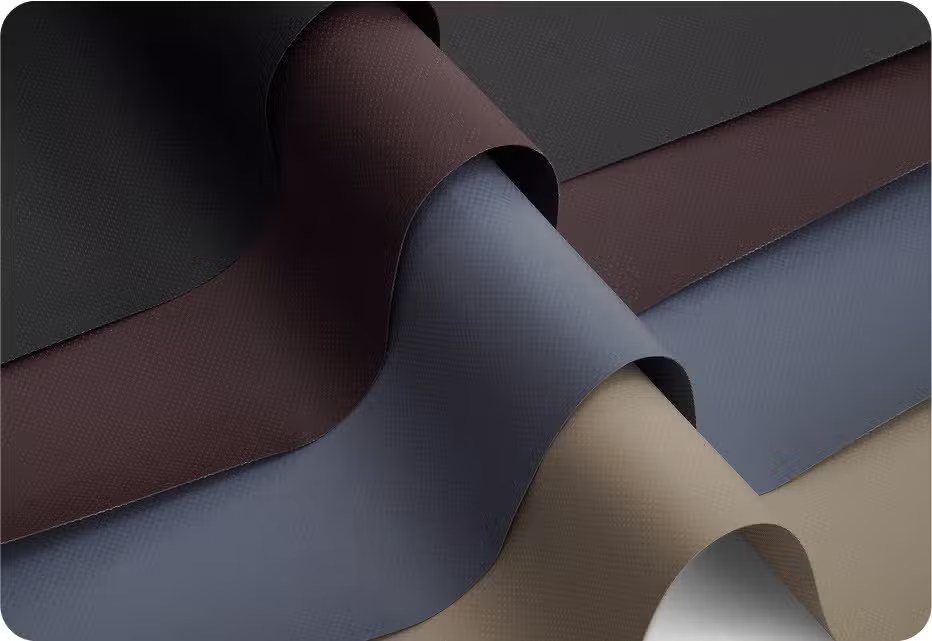
Compare abrasion performance, flexibility, water behavior, UV resistance, and finished weight on Our Fabrics. Browse Vehicle Covers. A very large cover may need orientation marks, divided handling zones, and a clean storage cart.
Specify Reinforcement Without Hiding Inspection Points
Identify body corners, tow points, steps, and controlled contact zones that may need reinforcement. Keep mandatory inspection labels, isolation points, and fire-safety equipment accessible when venue rules require them. Reinforcement cannot make an active hot or sharp component suitable for contact.
Plan a Multi-Person Installation Routine
Assign trained crew members, establish clean staging space, and lift the textile over the highest body areas without climbing on tires or suspension. Keep fabric clear of tools and floor contamination. Stop if wind, poor lighting, or vehicle movement makes installation unsafe.
Build the Monster Truck Cover Brief
Provide the stored configuration, floor datum, tire envelope, body stations, chassis exclusions, removed hardware, cooling sign-off, access requirements, handling crew, exposure, and labeled photos. Review the Custom Fit Monster Truck Cover or use Business Inquiries for a project specification.
Frequently Asked Questions
Should the giant tires be fully enclosed?
Not automatically. Define the safe lower boundary, handling needs, and whether the cover is intended for the body only or a larger parked envelope.
Can the cover be fitted immediately after a run?
No. Follow the team’s shutdown and cooling procedure before any textile approaches hot mechanical, exhaust, brake, or electrical components.
Can this cover be used while transporting the truck?
No unless a separately engineered transport system explicitly says so. A storage cover is not a highway restraint or aerodynamic transport cover.
Turn the Measurements Into a Clear Cover Brief
A dependable made-to-measure cover starts with one repeatable storage position, complete dimensions, labeled photos, safe-use limits, and a realistic handling routine. CoversForge can review fit, fabric, access, exposure, and quantity for the documented application. Request a Quote when the specification is ready.
Share This Article


