 Business





Magnetic Windshield Covers: Measure Glass, Mirrors, Wipers, and Door Edges

A windshield panel looks rectangular until the roof curve, A-pillars, [...]
A windshield panel looks rectangular until the roof curve, A-pillars, cowl, wipers, mirror housings, cameras, door frames, and body contours are considered. A custom magnetic car windshield cover should match the specific vehicle and attachment method while staying clear of paint risks, sensors, hot surfaces, and moving parts.
Use the cover only as the vehicle and cover makers direct. Park safely, switch the vehicle off, let surfaces cool, and clean both the panel and the car before installation. Never drive with the cover fitted. Magnets and flaps are retention features, not theft prevention, emergency glazing, or protection against every storm condition.

Identify the Exact Vehicle
Record make, model, body style, model year, trim, roof equipment, mirror design, windshield replacement history, and any aftermarket accessories. Similar model names can use different glass and sensor layouts. Photograph the front at eye level and each A-pillar with the vehicle parked on a safe level surface.
Measure the Visible Glass and Surrounding Landmarks
Use the general principles in How to Measure, then record windshield width at the top, middle, and bottom; center height; corner-to-corner diagonals; and the distances to the roof edge, cowl, and door seams. Use flexible measuring tools without scratching glass or paint.
Trace the A-Pillars and Roof Curve
Note where the glass narrows, how the pillars curve, and whether roof moldings, rain channels, or racks affect the upper edge. A paper or washable low-tack template may help only if approved for the surface. Never use adhesive or marking tools that can damage paint, trim, coatings, or seals.
Account for Wipers and the Cowl
Record wiper length, parked position, washer nozzles, cowl vents, and any heated lower-glass zone. Follow the vehicle manual before lifting wipers because some arms require a service position and can strike the hood. The cover should install without forcing blades, blocking a required vent, or trapping debris.
Map Mirrors, Door Flaps, and Retention
Measure mirror-housing width, height, projection, and distance from the windshield edge if pockets or loops are planned. For door flaps, record the safe closing line and keep material clear of latches, weather seals, hinges, and side airbags. Confirm that no retention part interferes with locking or emergency entry.
Protect Paint Before Using Magnets
Magnets require compatible clean metal beneath a clean protective surface. Many body panels include aluminum, composite, glass, film, or thick trim where a magnet may not hold. Test only as instructed, keep magnets enclosed, and never slide grit across paint. Remove the cover if movement could abrade the finish.
Keep Cameras, Sensors, and Coatings in Mind
Identify forward cameras, rain sensors, antenna elements, tint, defroster areas, inspection stickers, and aftermarket devices. The cover is installed only while parked, but attachment and removal should not press, scrape, or leave residue. Consult the vehicle maker for restrictions around sensing and coated surfaces.
Choose Material for Cold-Weather Handling
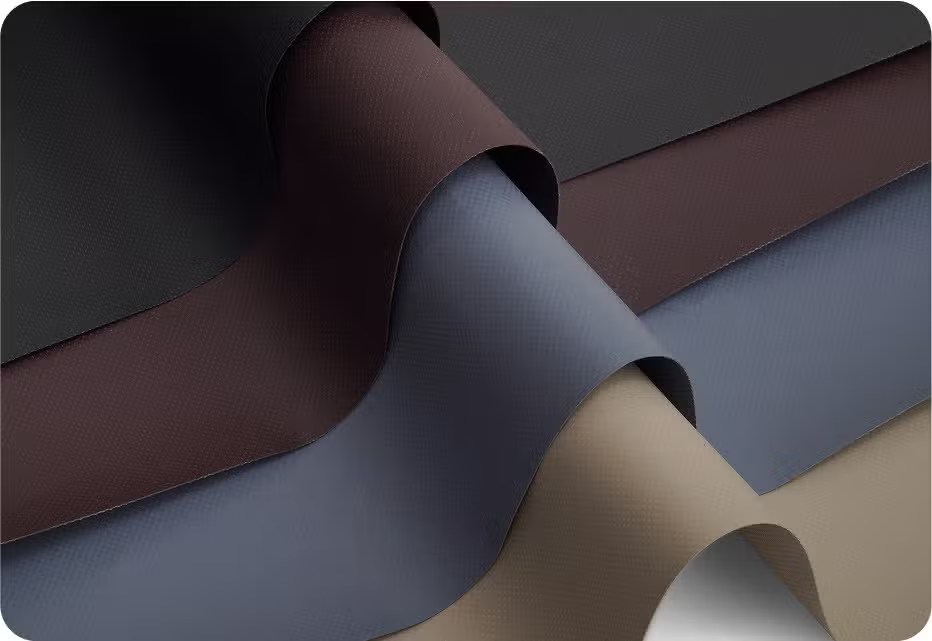
Compare water behavior, cold flexibility, abrasion performance, UV resistance, and finished weight on Our Fabrics. Explore Vehicle Covers. A windshield cover should remain manageable with gloves and fold without placing an abrasive exterior face against the glass.
Create a Clean Installation Routine
Brush loose snow and grit away with vehicle-approved tools, then place the clean cover without dragging it. Secure each side in the planned order, confirm doors and mirrors operate normally, and remove the panel before starting or moving the vehicle. Dry both surfaces before folding the cover for storage.
Prepare a Vehicle-Specific Fit Package
Provide complete vehicle details, glass stations, pillar and roof curves, wiper position, mirror geometry, retention preference, magnetic compatibility, sensor locations, surface restrictions, and labeled photos without license plates or personal information. Review the Custom Magnetic Car Windshield Cover or Request a Quote.
Frequently Asked Questions
Can I drive with the windshield cover installed?
No. Remove it completely, inspect the vehicle, and restore normal visibility and equipment operation before driving.
Will magnets attach to every vehicle body?
No. Panel materials and trim differ. Confirm compatibility and follow the vehicle and cover instructions before use.
Should wipers hold the cover down?
Only if the vehicle maker permits the required wiper position. Never force arms or blades against the hood or glass.
Turn the Measurements Into a Clear Cover Brief
A reliable made-to-measure cover begins with the actual stored configuration, complete dimensions, labeled photos, safe-use limits, and a practical removal routine. CoversForge can review fit, fabric, access, handling, and quantity for the documented application. Request a Quote when the specification is ready.
Share This Article

Written by : CoversForge
Follow Us
Latest Articles
September 9, 2026
September 9, 2026